Art and enchantment
Welcome to the second post on the Treasures blog, touching on another subject that I consider most valuable to the soul: art (as in, the real stuff).
Recently, I have been thinking back to a few exhibitions that left a mark on my imagination, and to which my mind has been wandering back months after seeing them. In fact, I was thinking of them after the Design Week dizziness wore off, a couple of weeks ago. I was drawing the parallel between the art and design experiences (same brain folder for me) that replenished my cup of creativity, and those that drained it, leaving it dry like after a 40-minute doom-scrolling session - and Design Week this year mostly felt like the latter. Not because the things I saw around town weren’t of quality, but because the context of Fuorisalone was fully oriented toward consumption and extraction - from materials to set up, registration forms, pedestrian traffic jams and general saturation of the environment with a feeling of exhaustion.
Of course, the point of the fair and all its collateral events is ultimately to advertise and sell, but the taste for discovery that all the ephemeral installations, material explorations, and private, secret places that this event used to bring into the Milanese routine was muted this year. This Design Week left me wondering if I had spoiled my love of art and design for good with all the fomo and Instagram stories. But digging into my archive of pictures from past exhibitions I visited (which I maintain devotedly like a librarian from another century), I sighed in relief - no, I haven’t.
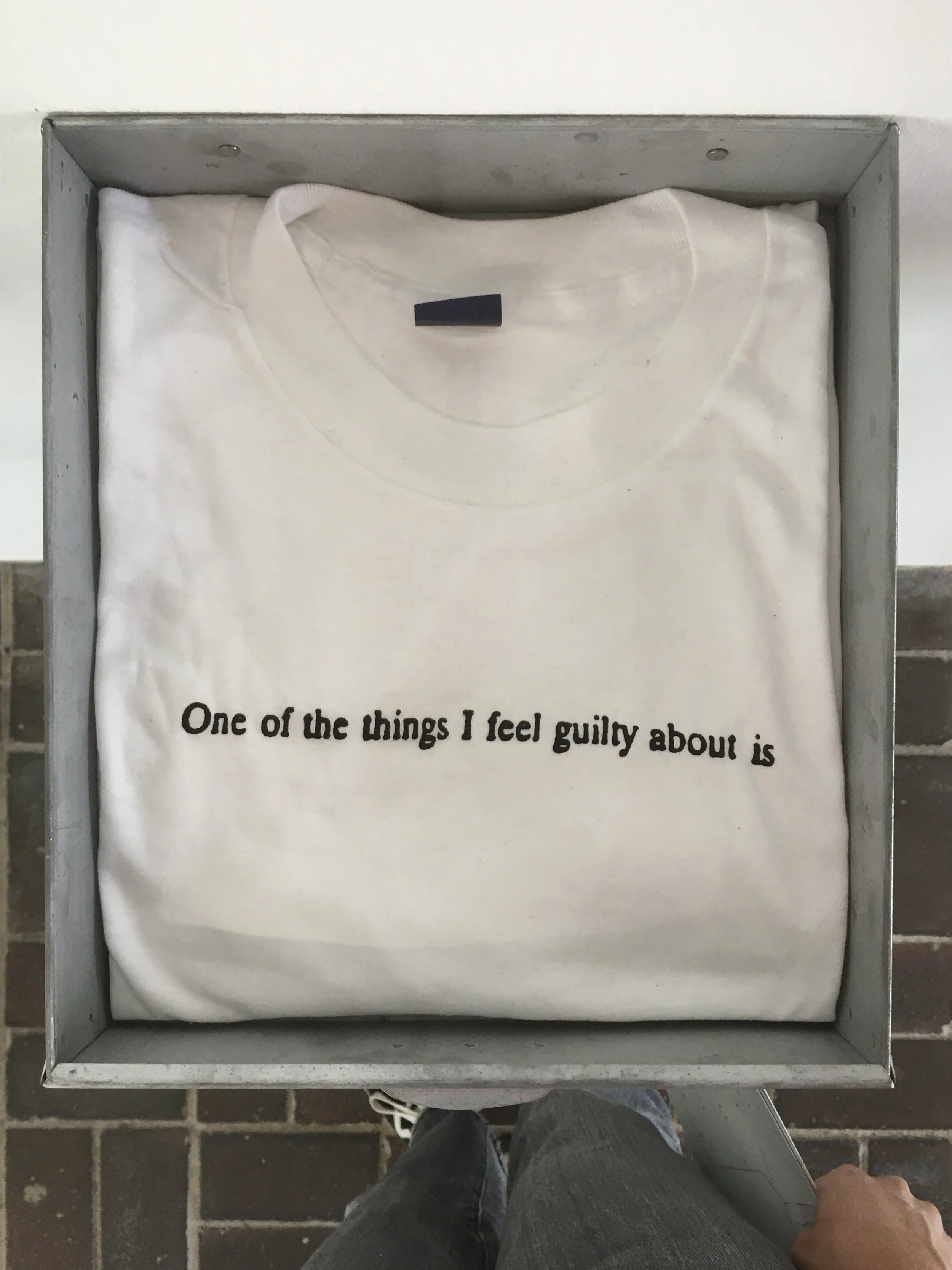
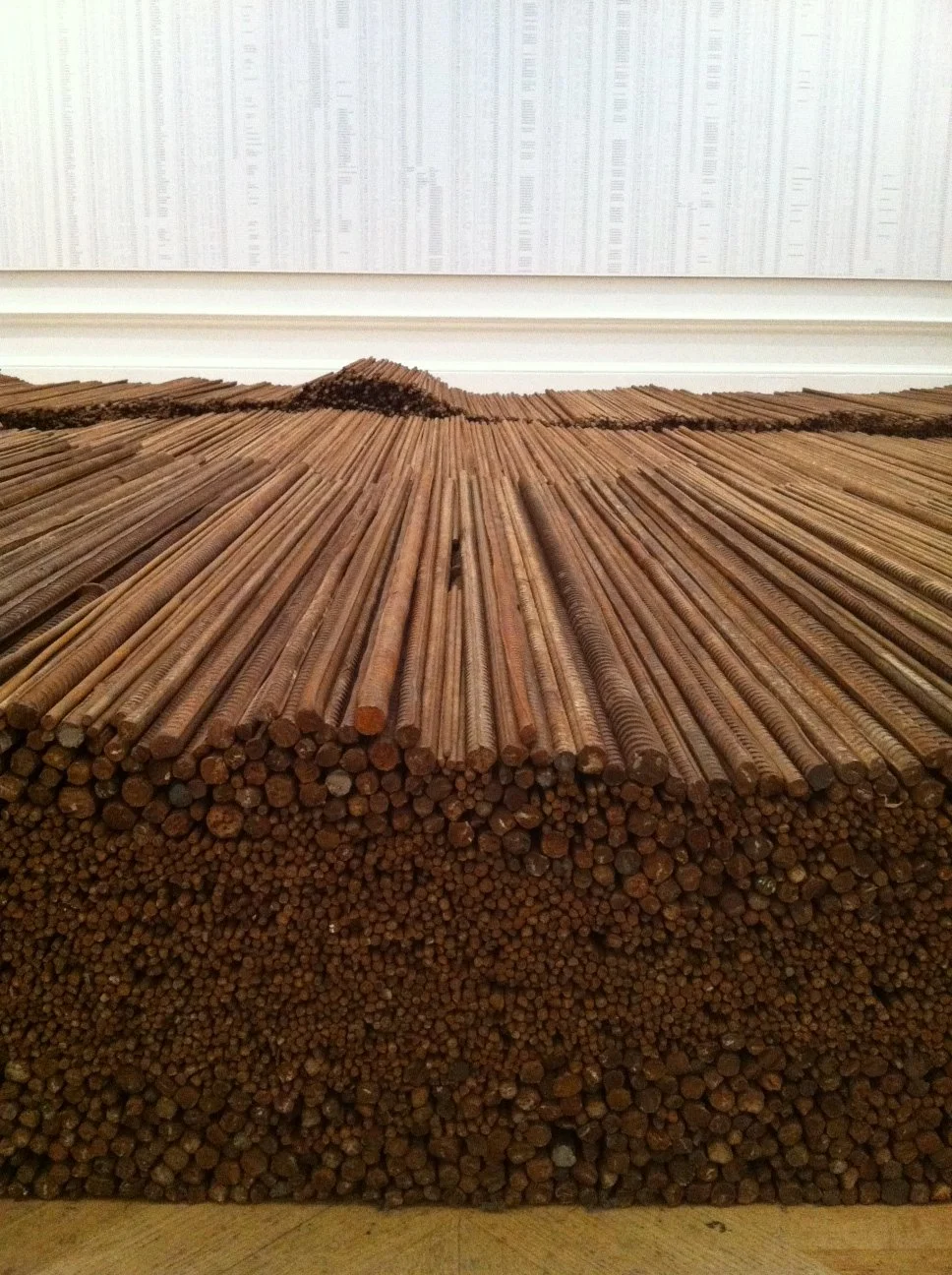
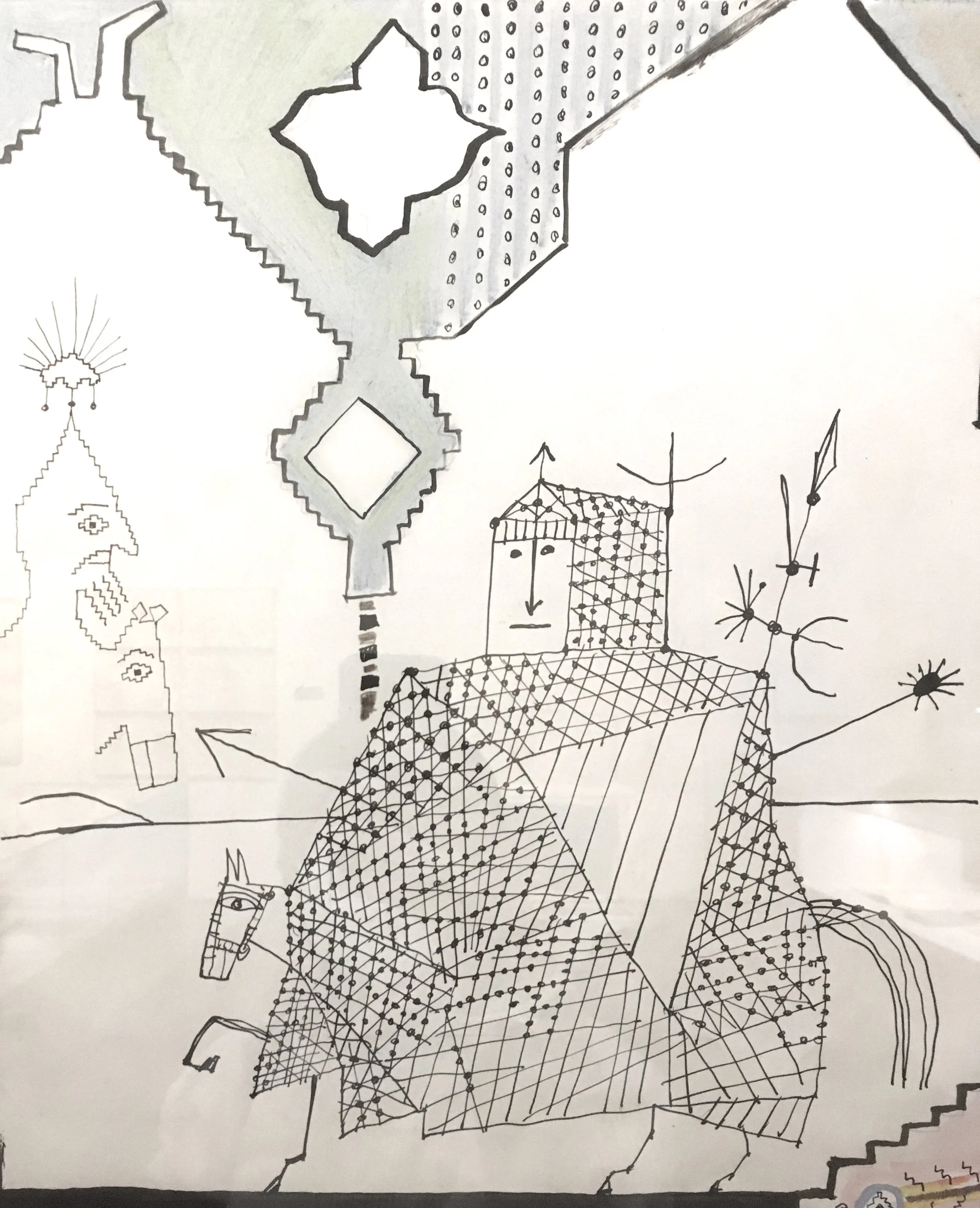
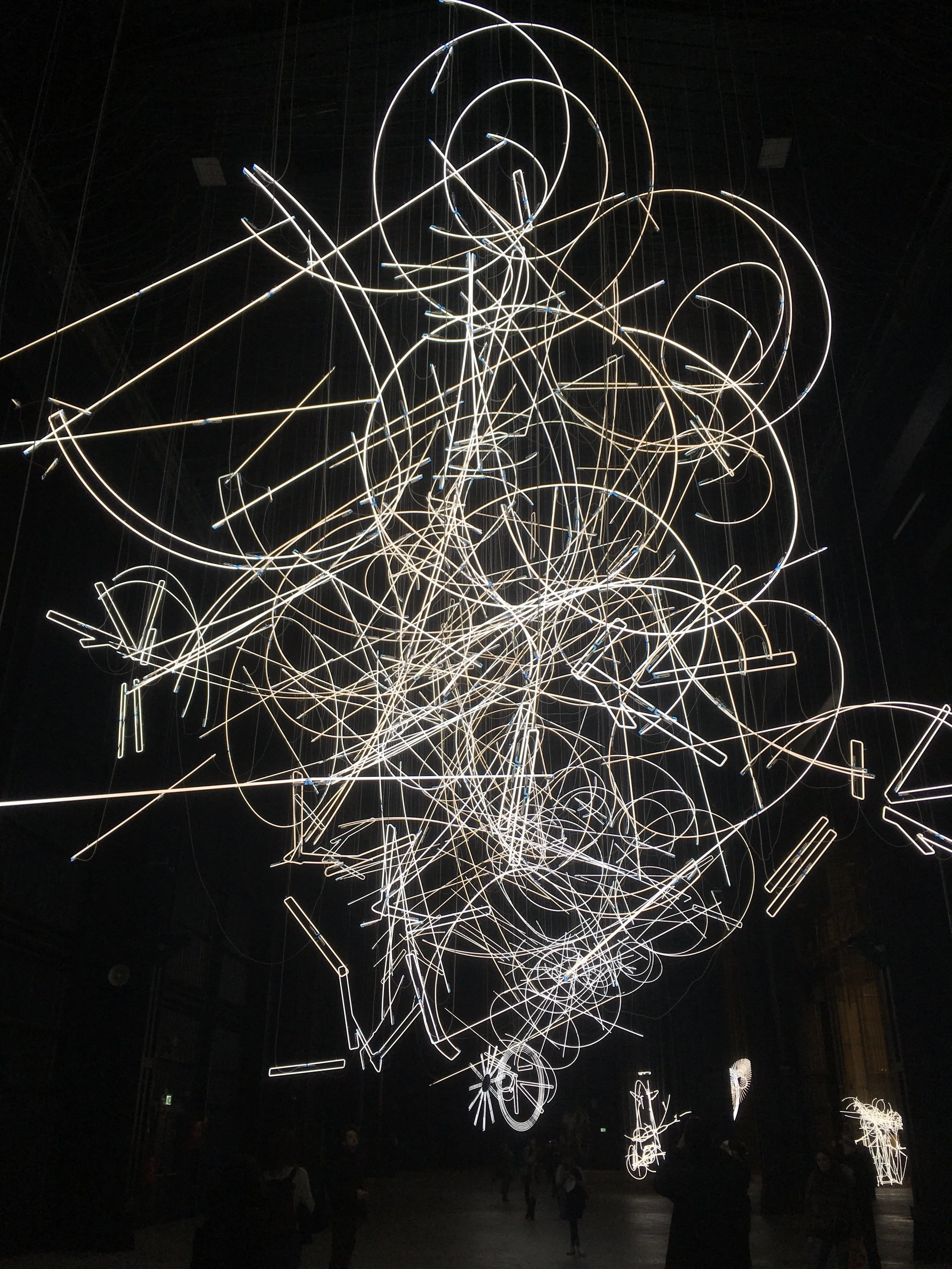
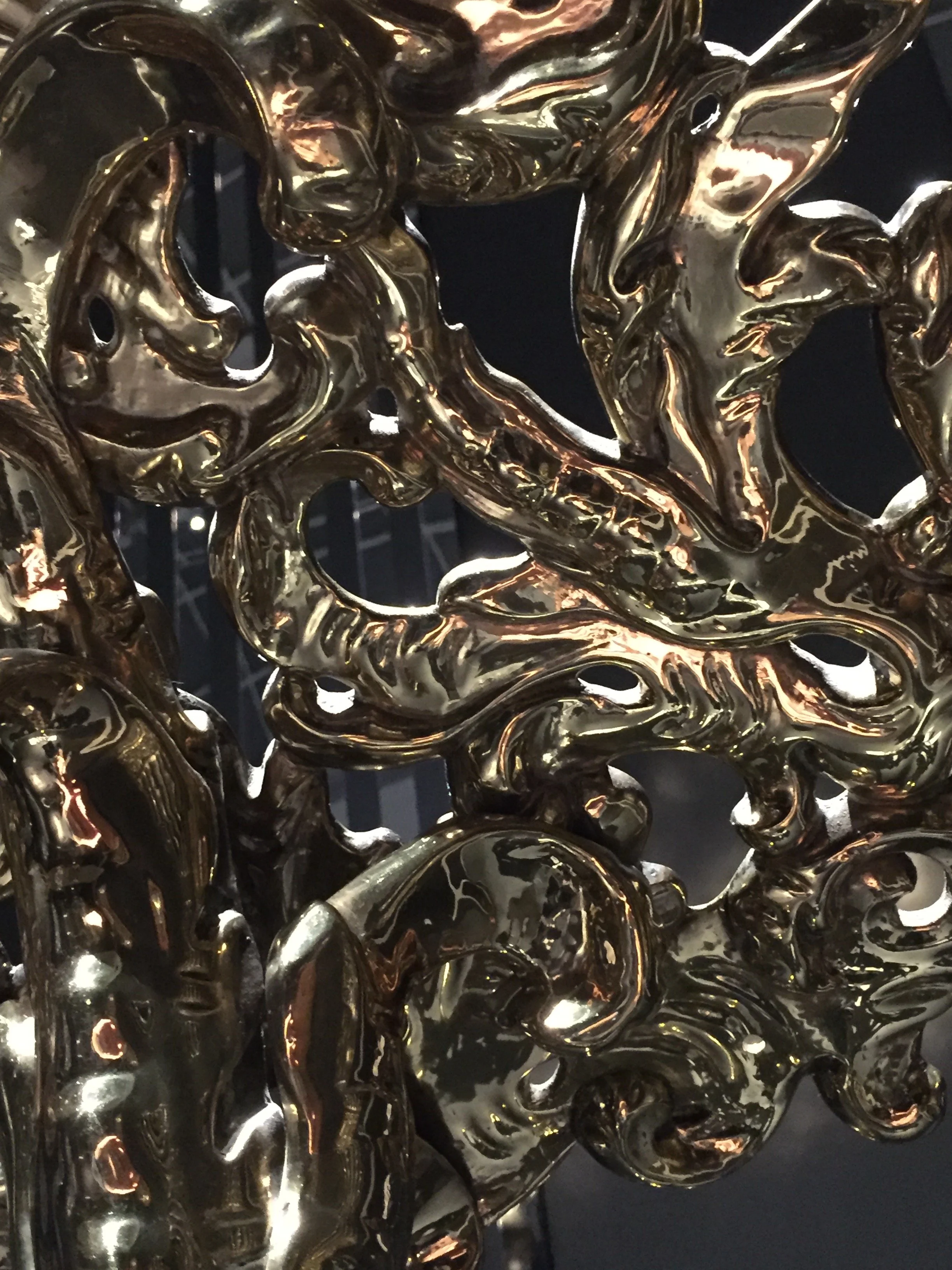
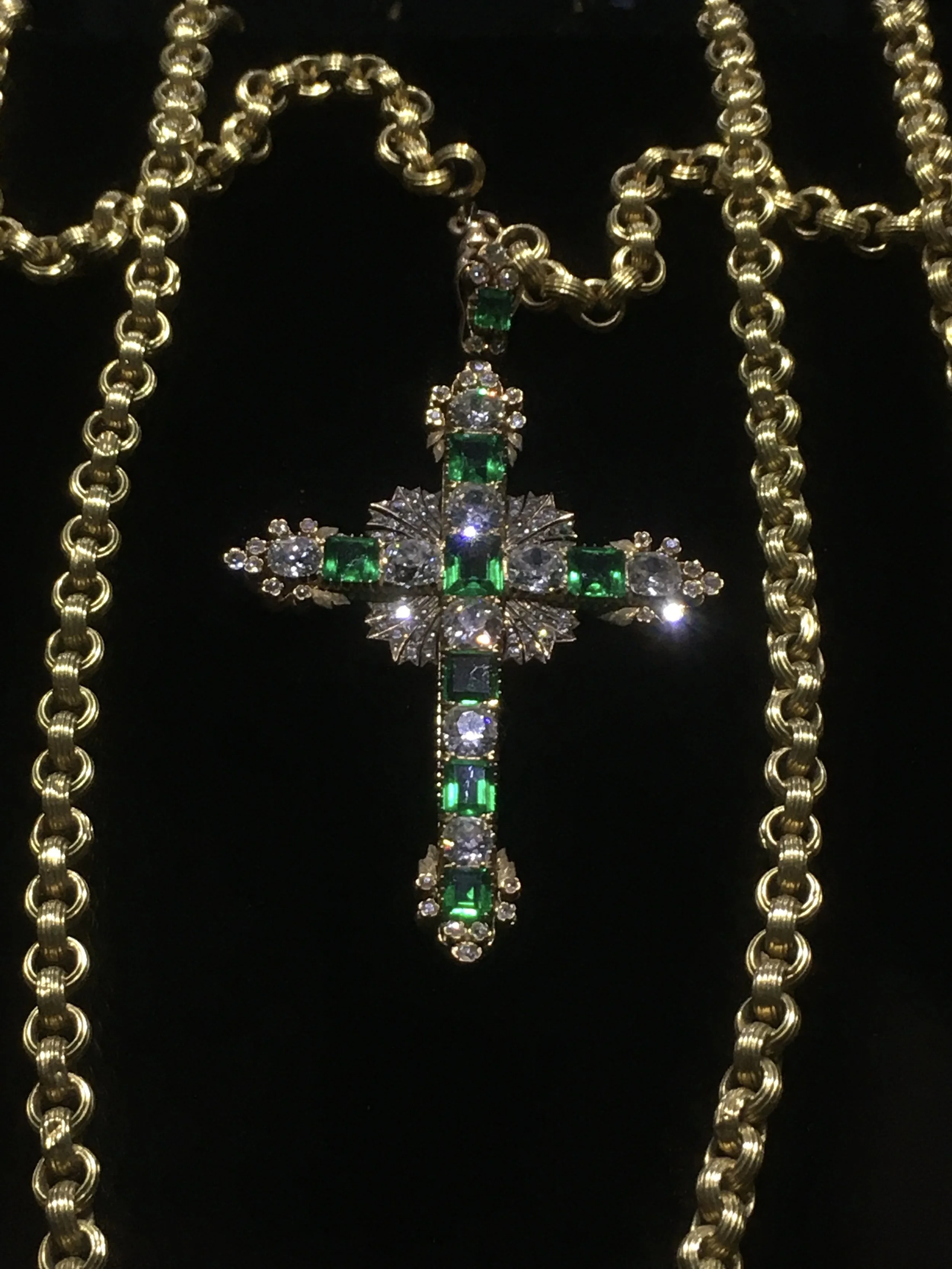
I still love art that puts me in touch with the poetry of our human experience, the mystery of the world we inhabit, the contemplation of meticulousness, the connection to distant places and times through universal themes and archetypes. I still love art that feels like a call from the depths. And it’s a call the market can’t pick up, nor marketing or advertising. Art as cover for exploitation (of resources, human abilities or else) is a fraud, and I think inside of us we still know the difference.
So here are a few finds that reminded me of the deep link between art and enchantment that still makes me seek for art in my life.
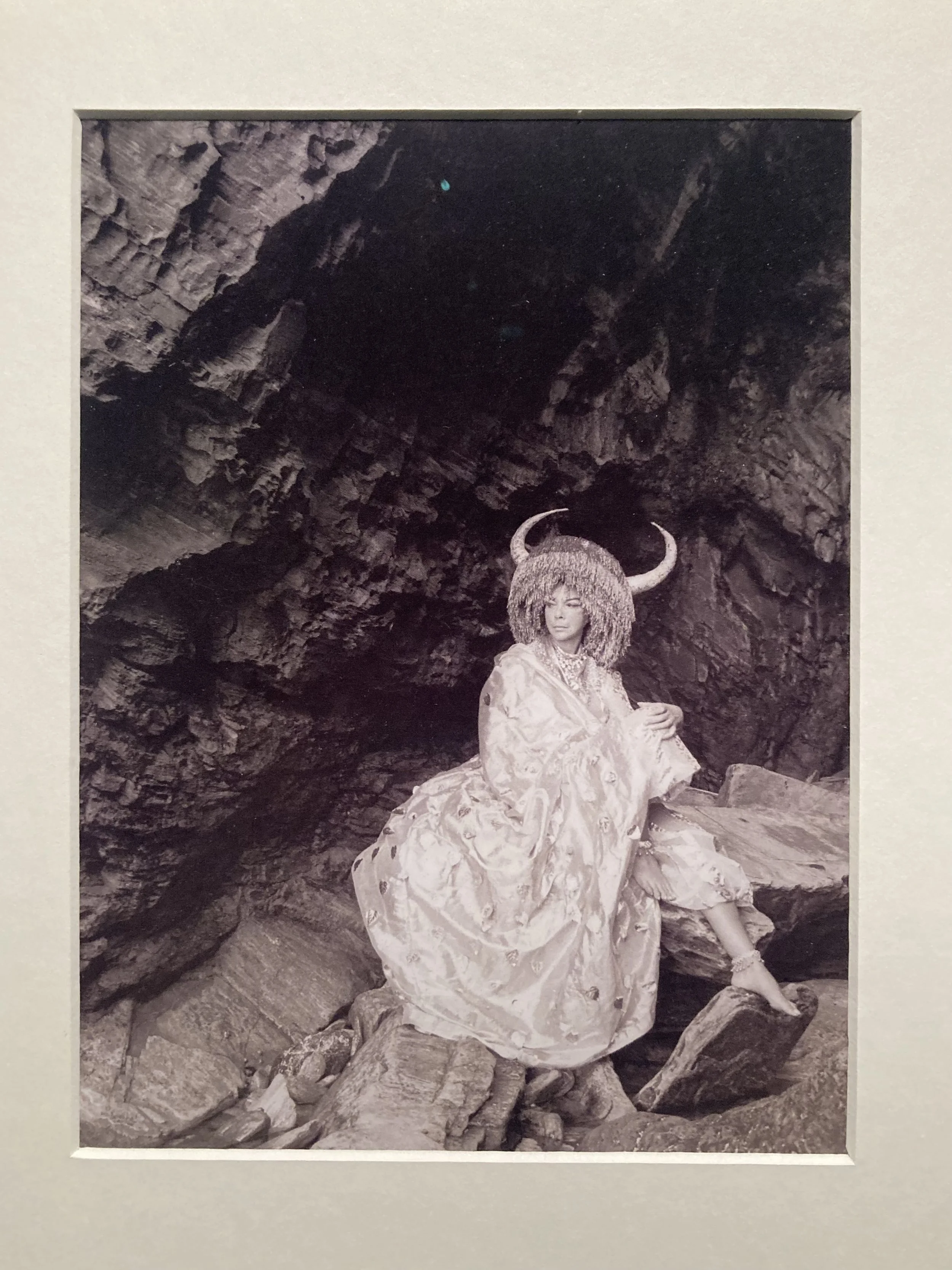
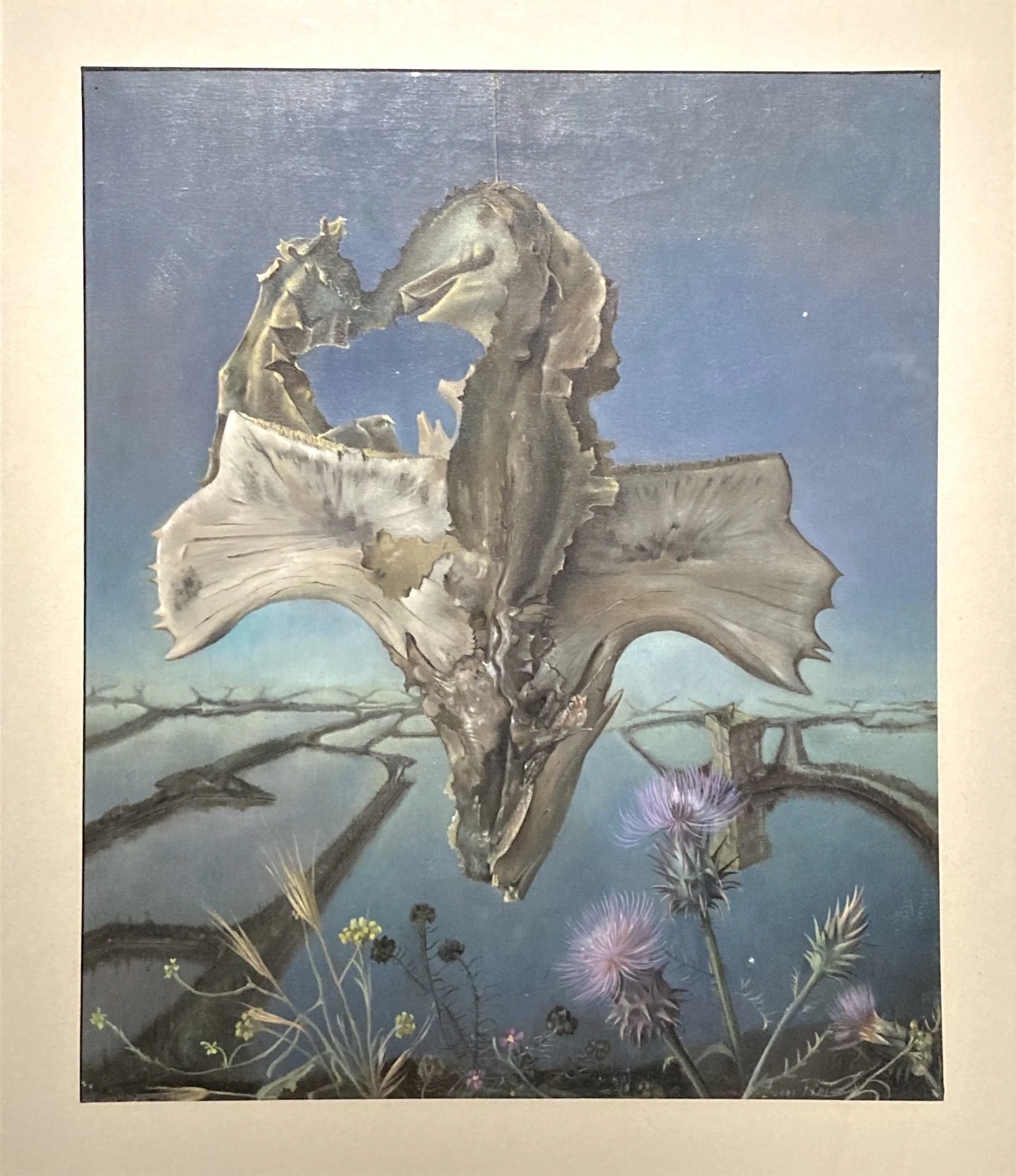
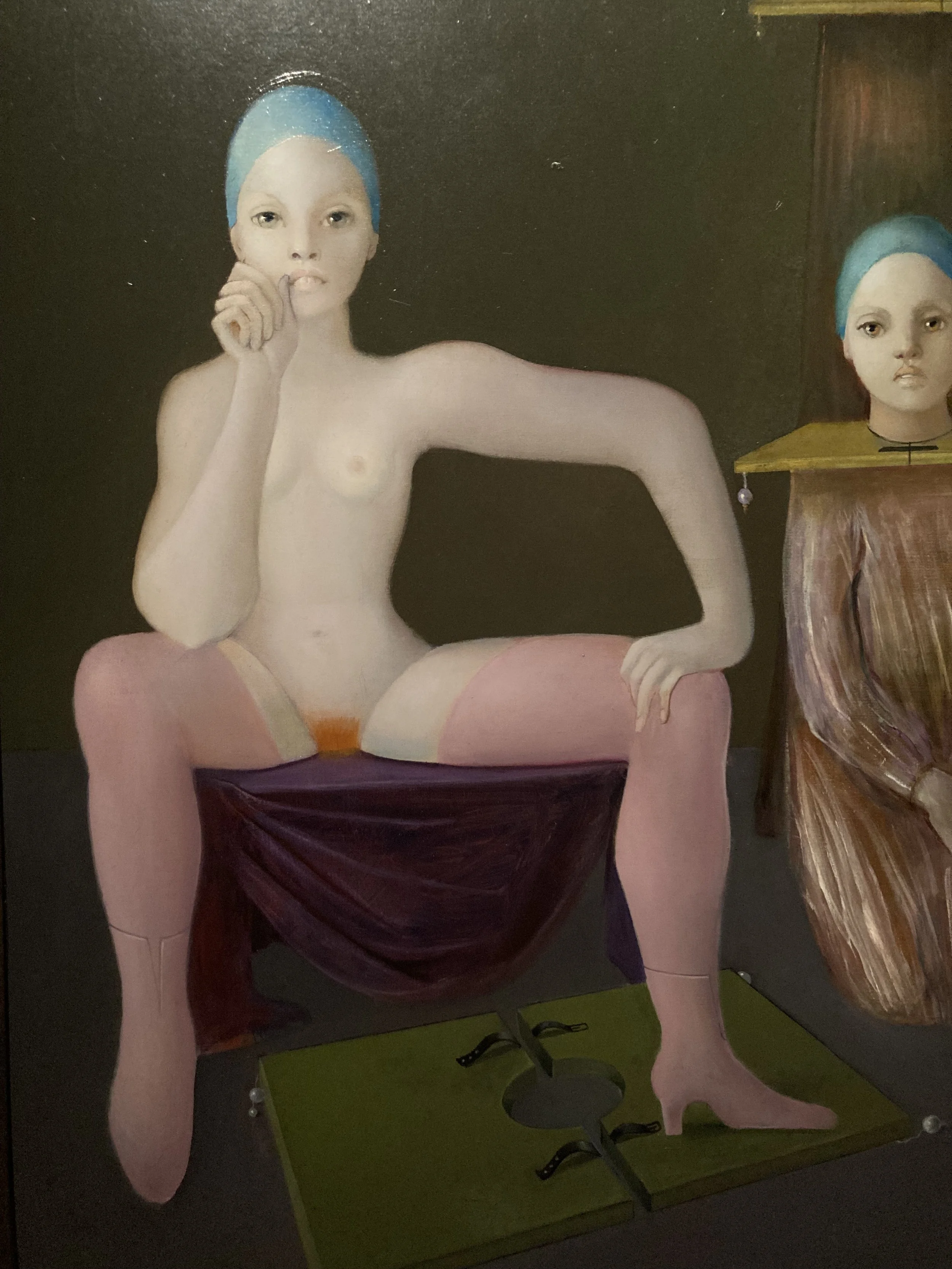
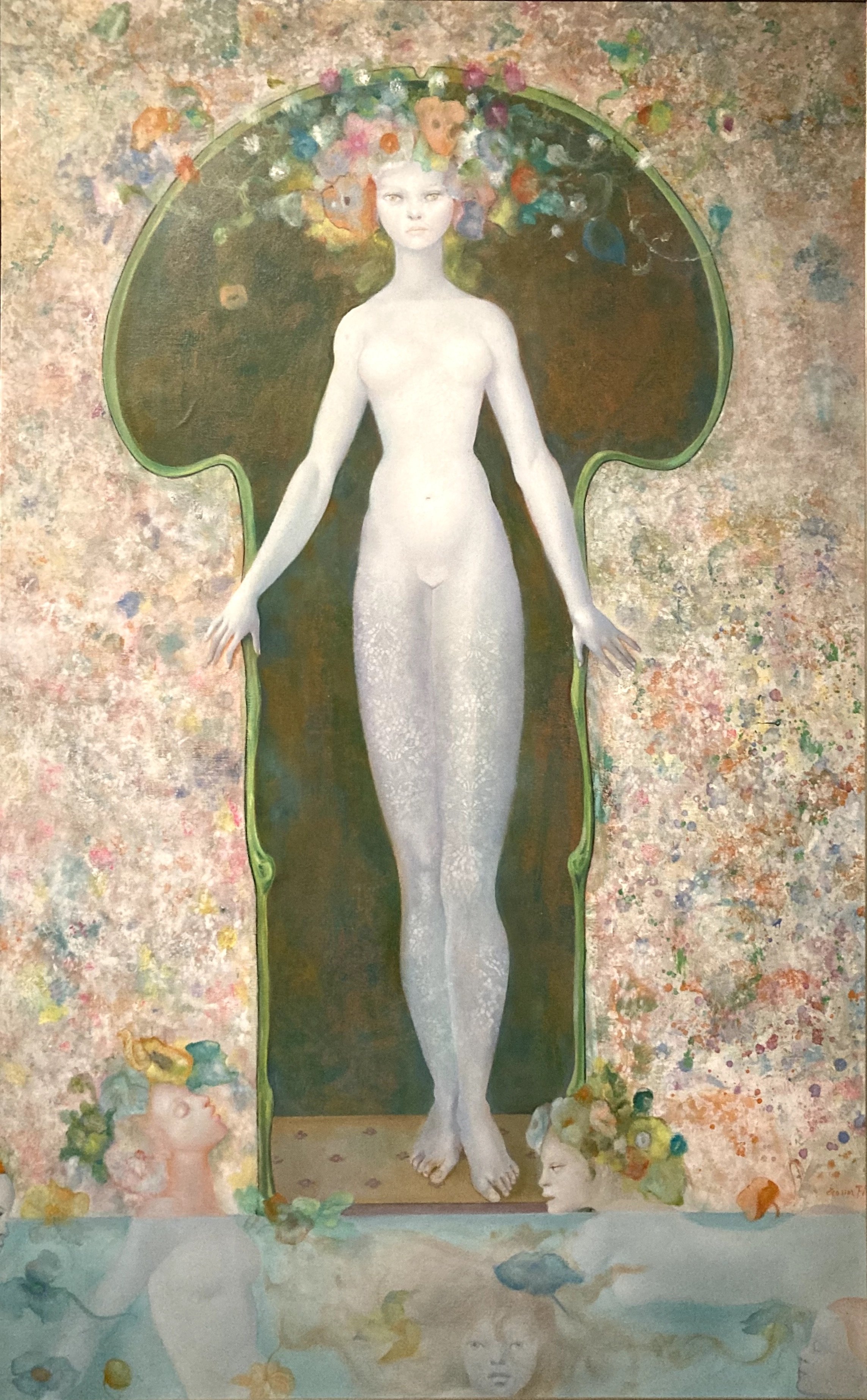
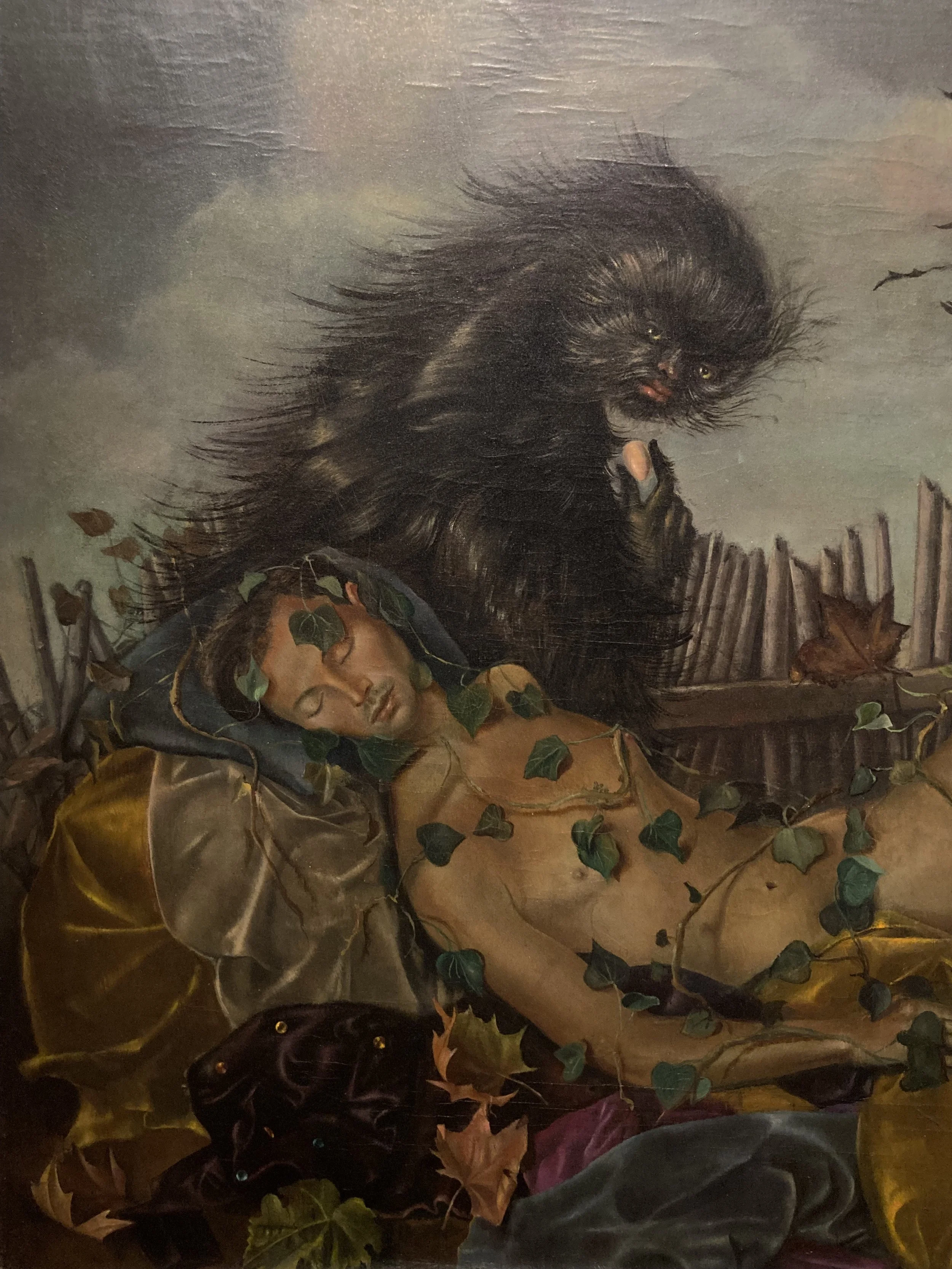
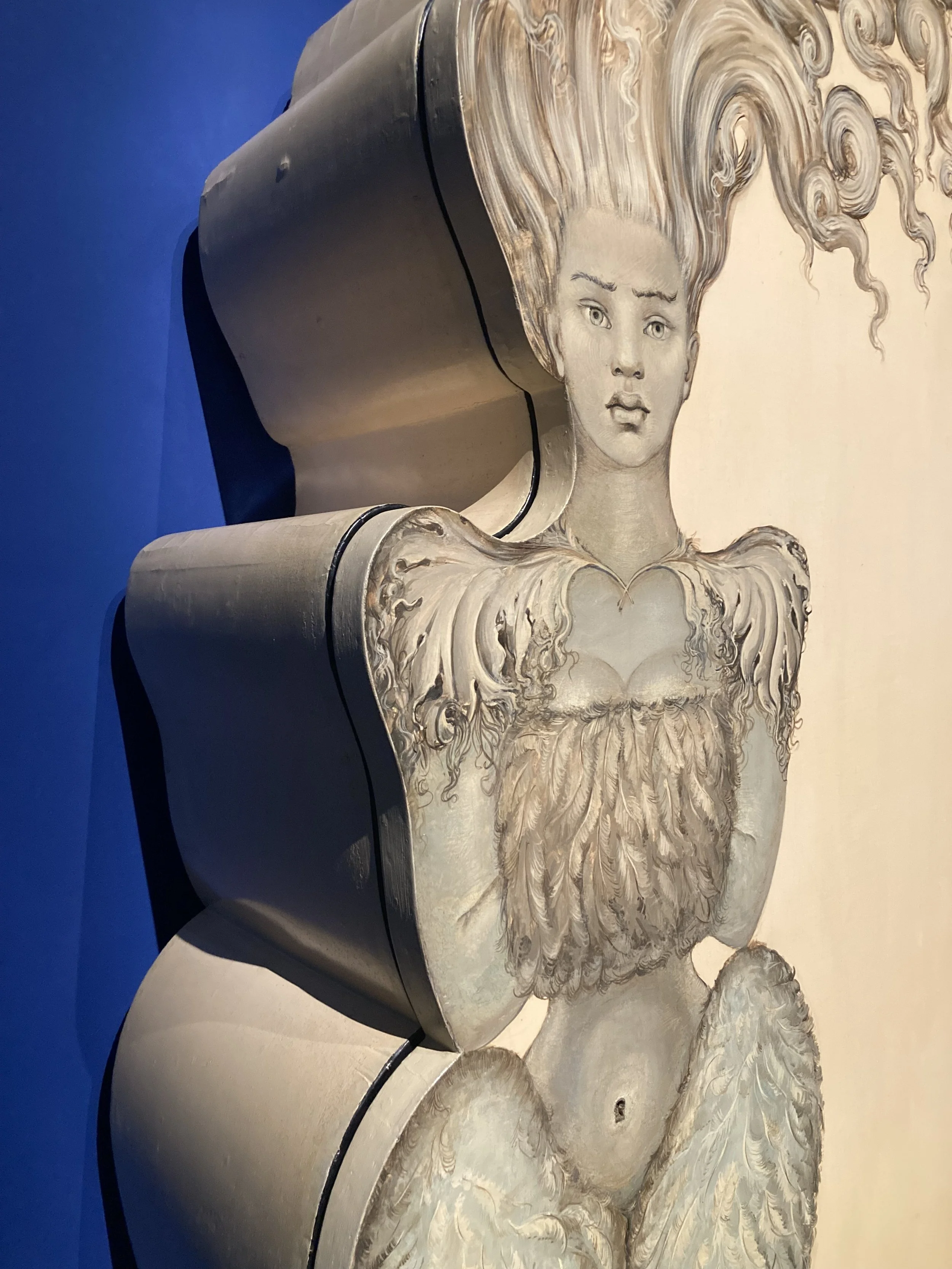
Last spring, Palazzo Reale in Milan hosted an anthological exhibition on Leonor Fini, one of the few female artist that was part of the Surrealist movement. If I were to think of a single adjective to describe her work, it would be bewitching. I was amazed to discover she illustrated a version of the cover of the erotic novel Monsieur Venus by Rachilde, a classic of decadent litterature, and just as much surprised to find out she lived and worked in an abandoned castle outside of Rome during part of WWII. Fini’s paintings, costumes and photographs are imbued with a feminine power that lingers on the threshold between seductive and monstrous, which has me completely hypnotised.
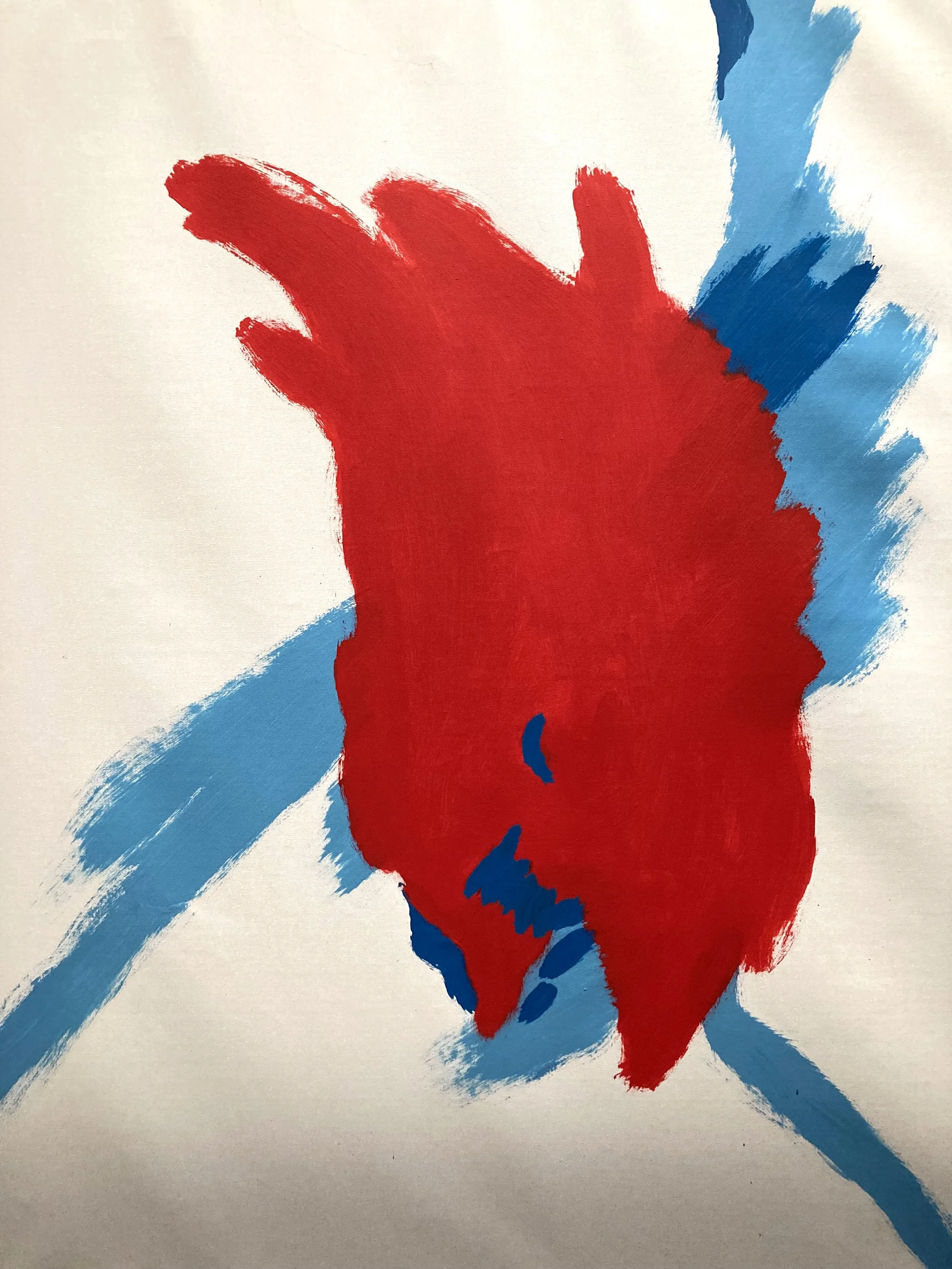
In the summer, I stumbled upon another great bubble of art while road-tripping in Brittany, and I couldn’t be more pleased. Fonds Leclerc is a contemporary art museum in Landerneau, and at the time, they were hosting an exhibition called Animal!? exploring the evolving relationship between humans and other animals through the lens of artistic output. Possibly one of the best curations I experienced recently, with a selection of pieces spanning from Renaissance to Avant-garde movements and Transhumanism, still accessible to the wide public without pretentious philosophical quiddities, but still offering an enriching and relevant perspective. The painting made by the orangutan Coco is permanently engraved in my mind.
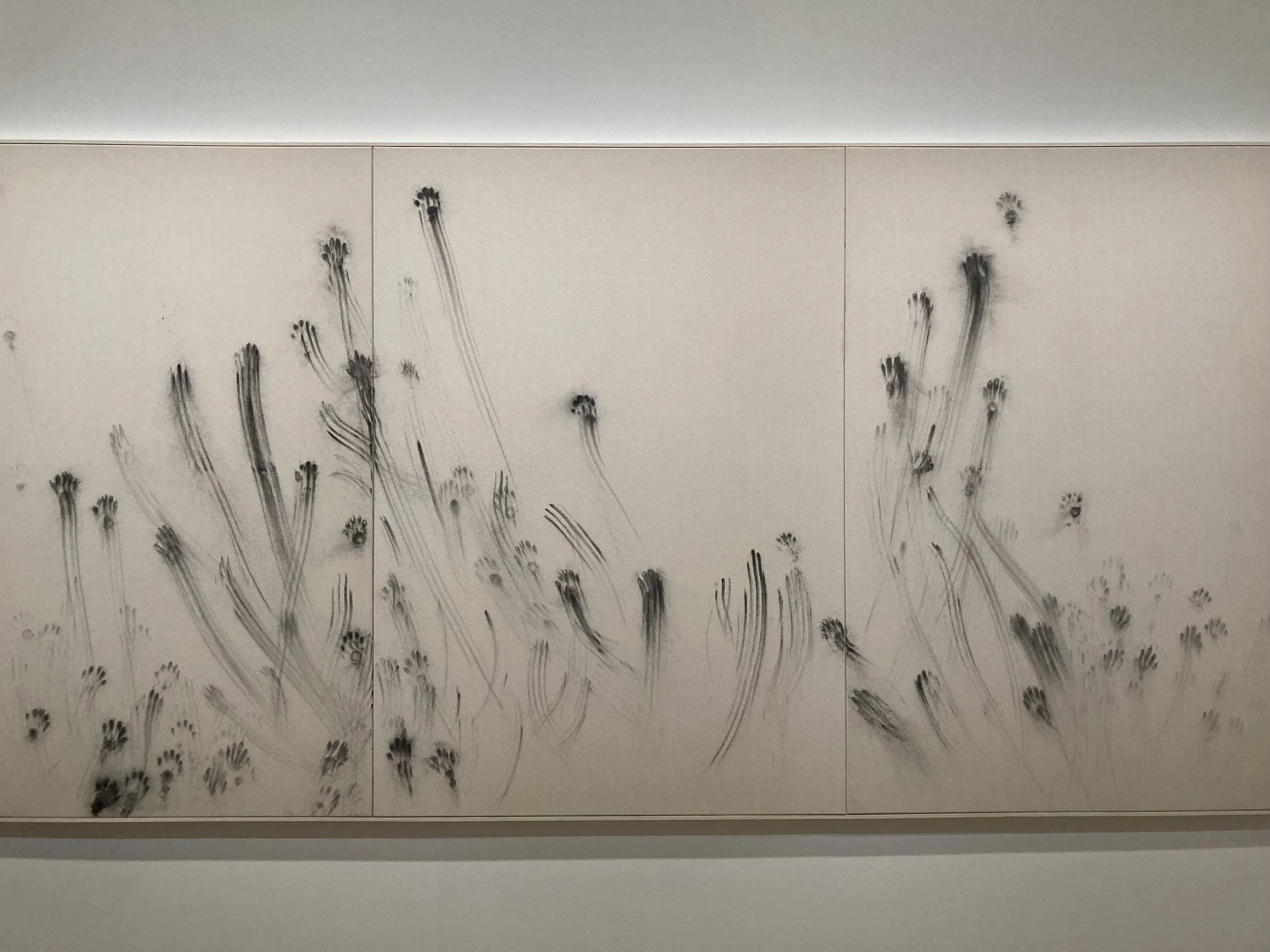
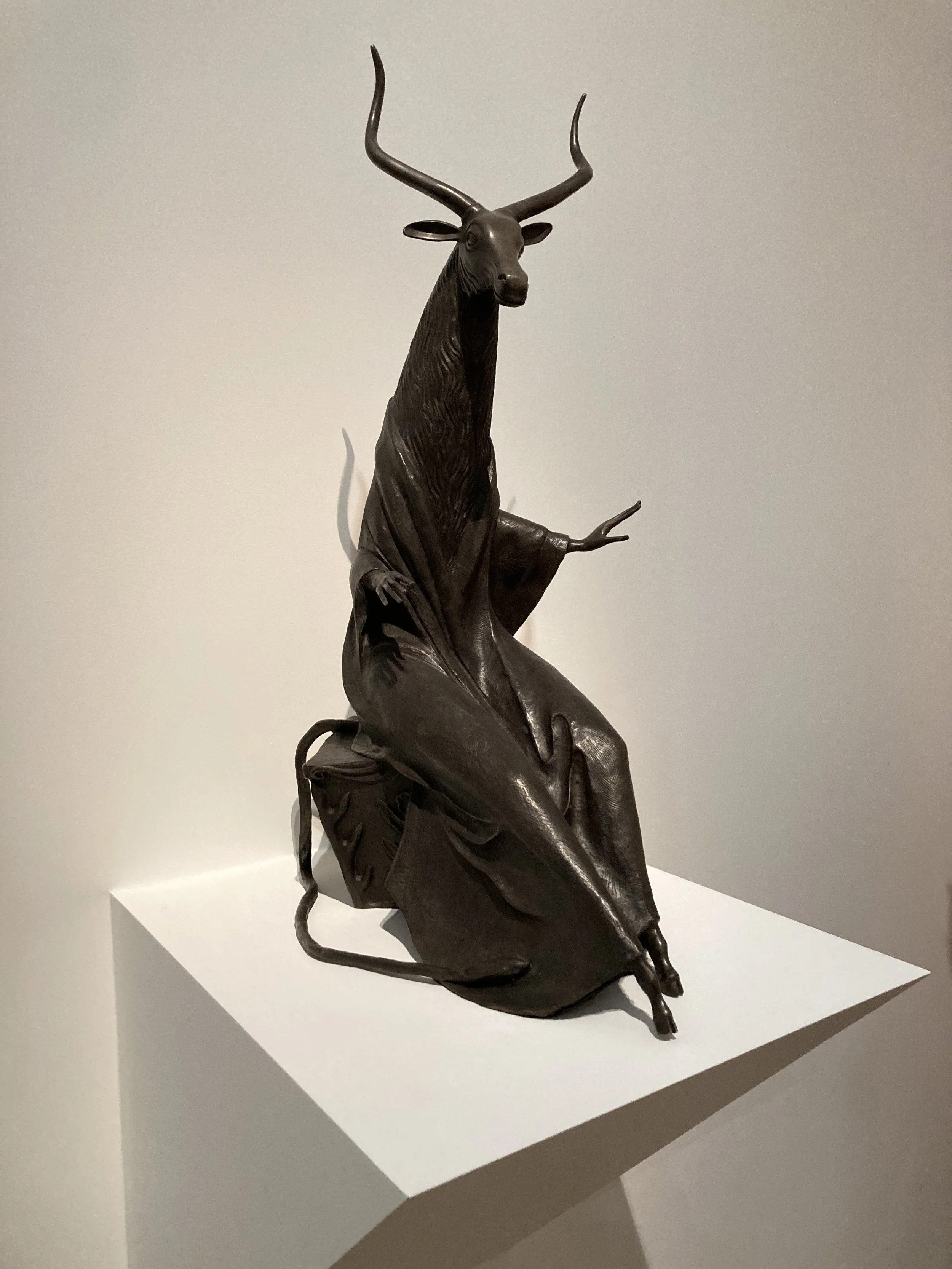
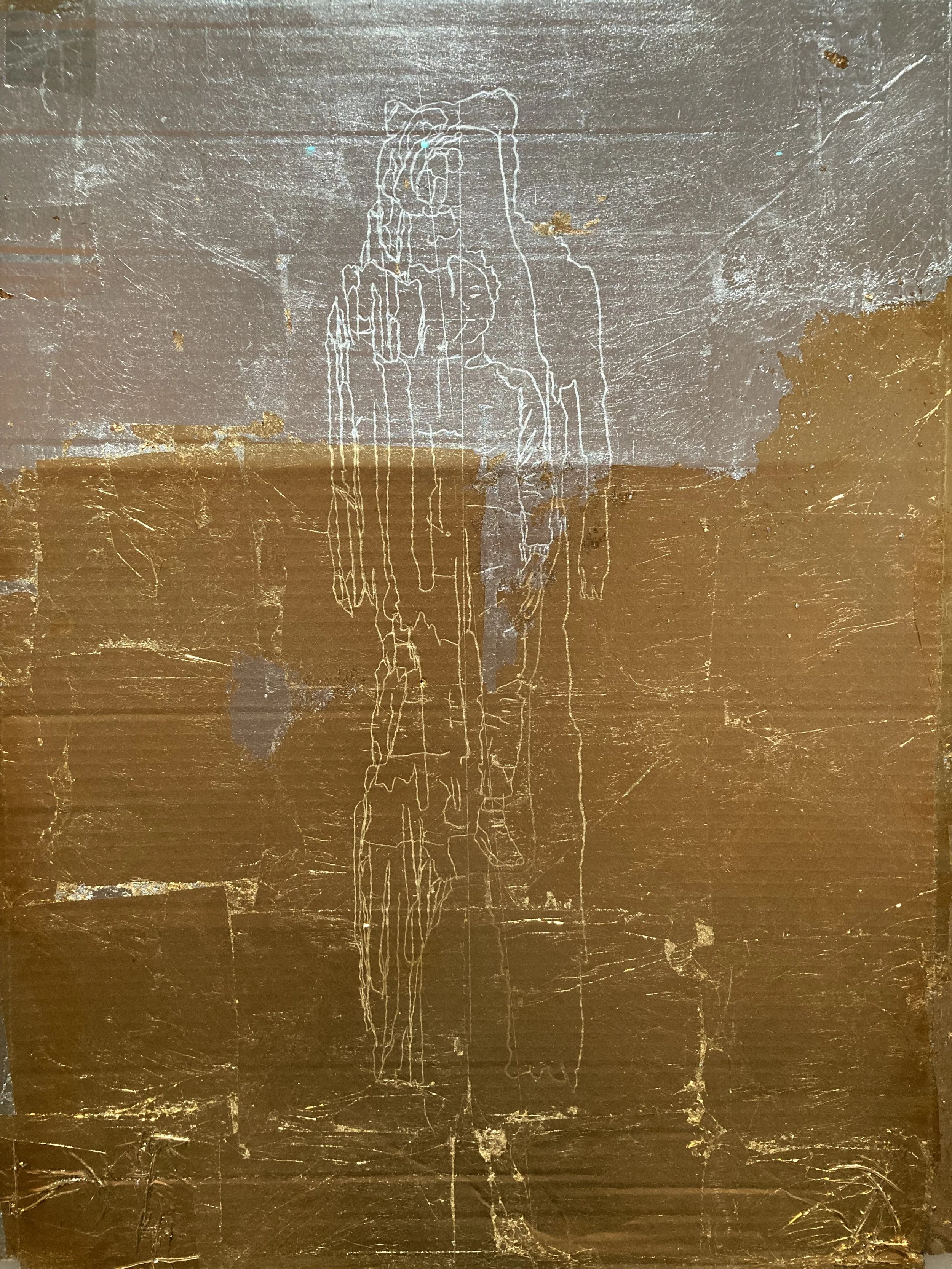
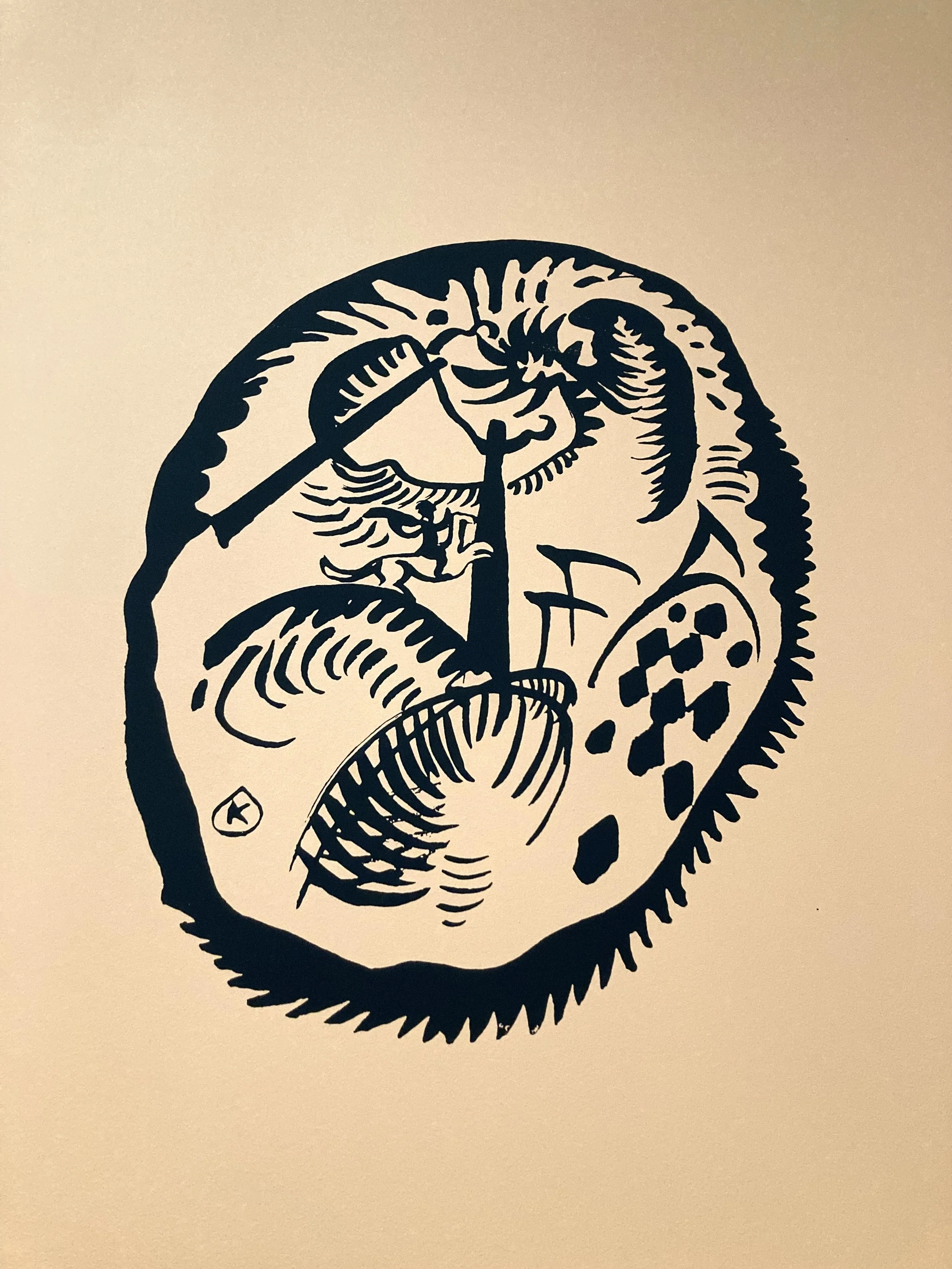
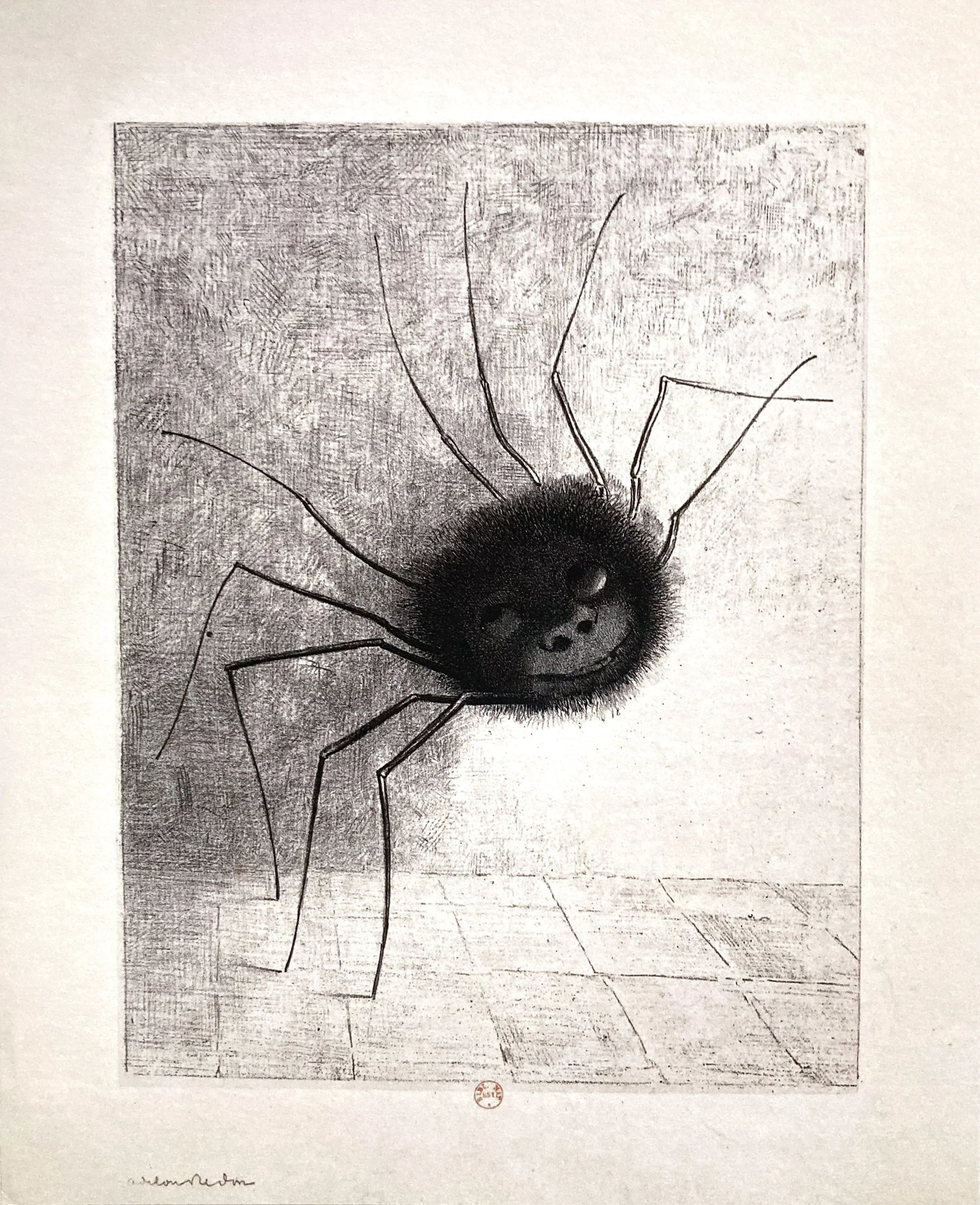
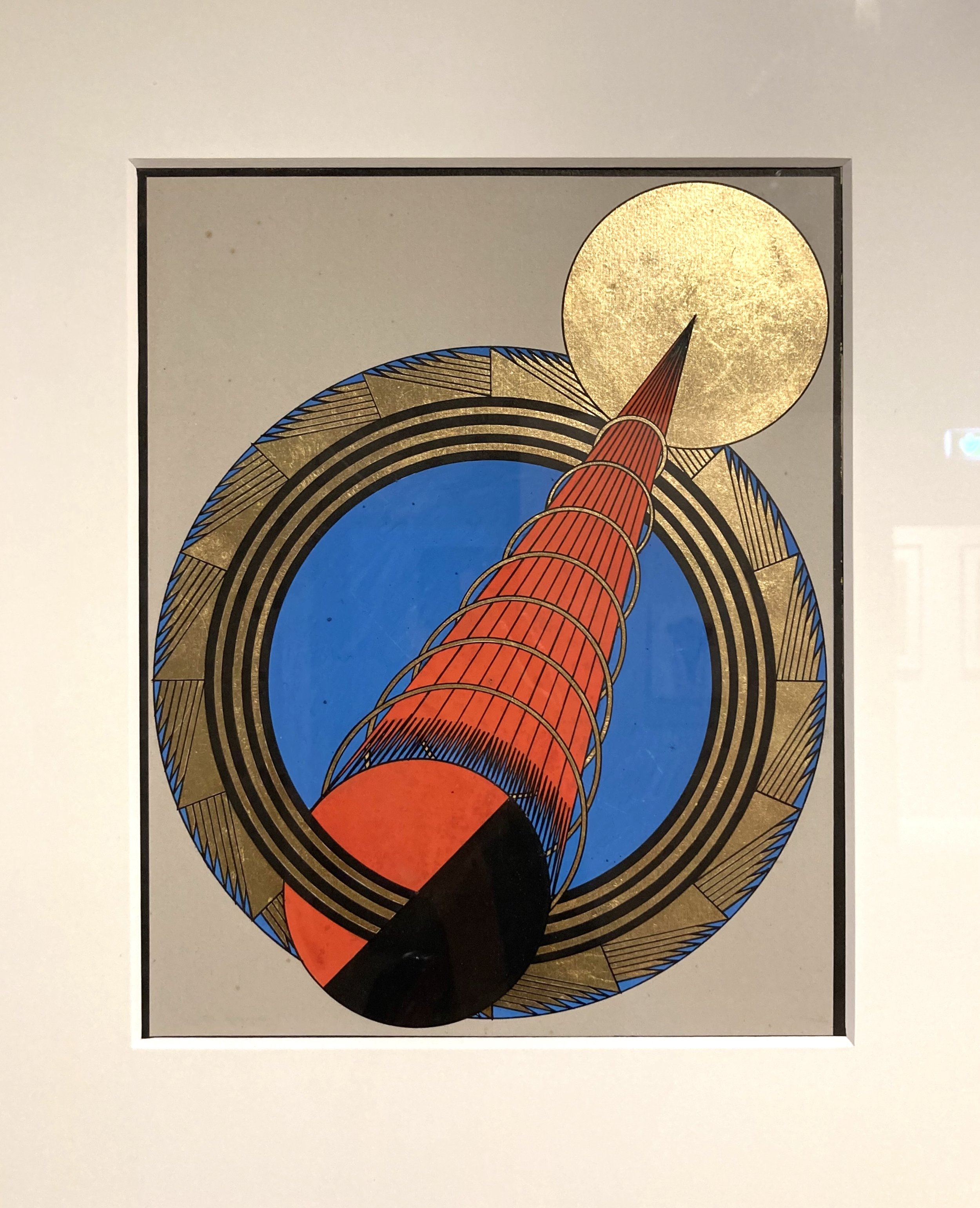
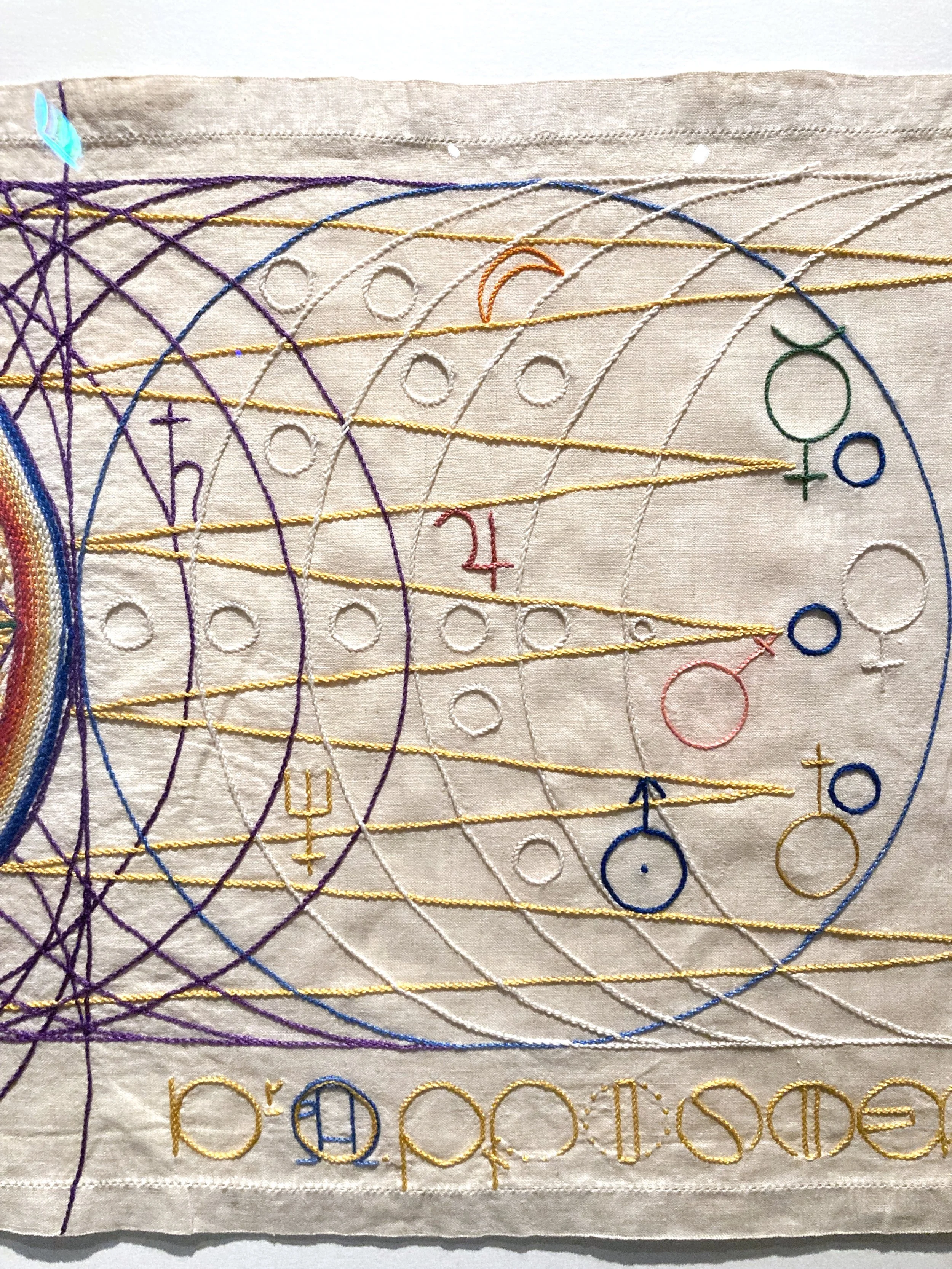
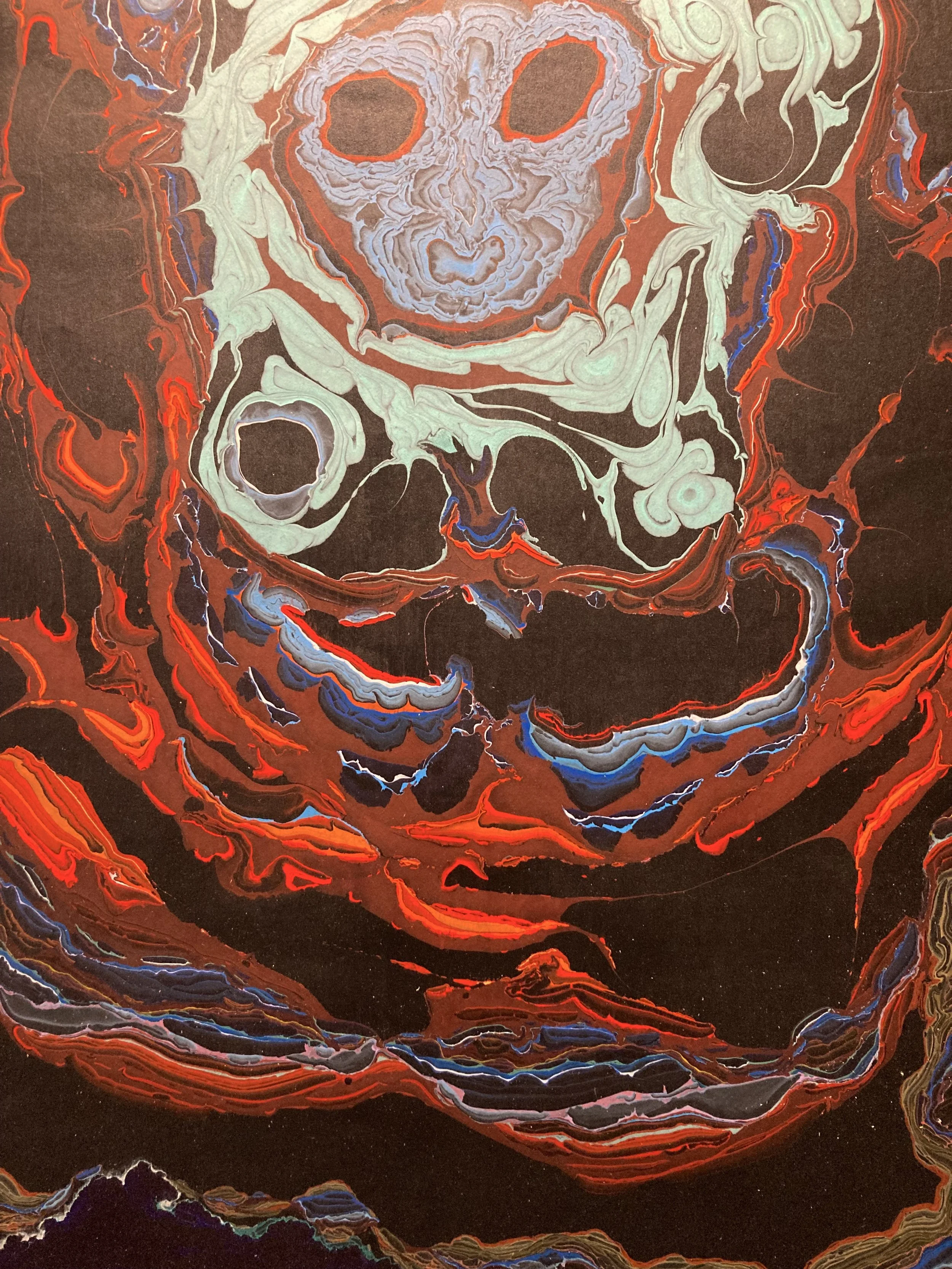
Another exhibition that touched a remote chord in my heart is Fata Morgana, curated by Massimiliano Gioni, for Fondazione Trussardi. The exposition revolves around the connection between occultism and visual arts, spanning from drawings of 19th-century mediums to early 20th century Art Brut and on to contemporary art pieces on mysticism. A good share of the pieces exhibited were from authors considered as outsiders of their times, and the dedication that radiated from their work was so refreshing - art made not to go mad, art made because you must. Three names that enter my biblioteque of inspiration are Hilma af Klint, Jeanne Natalie Wintsch and Kerstin Brätsch.
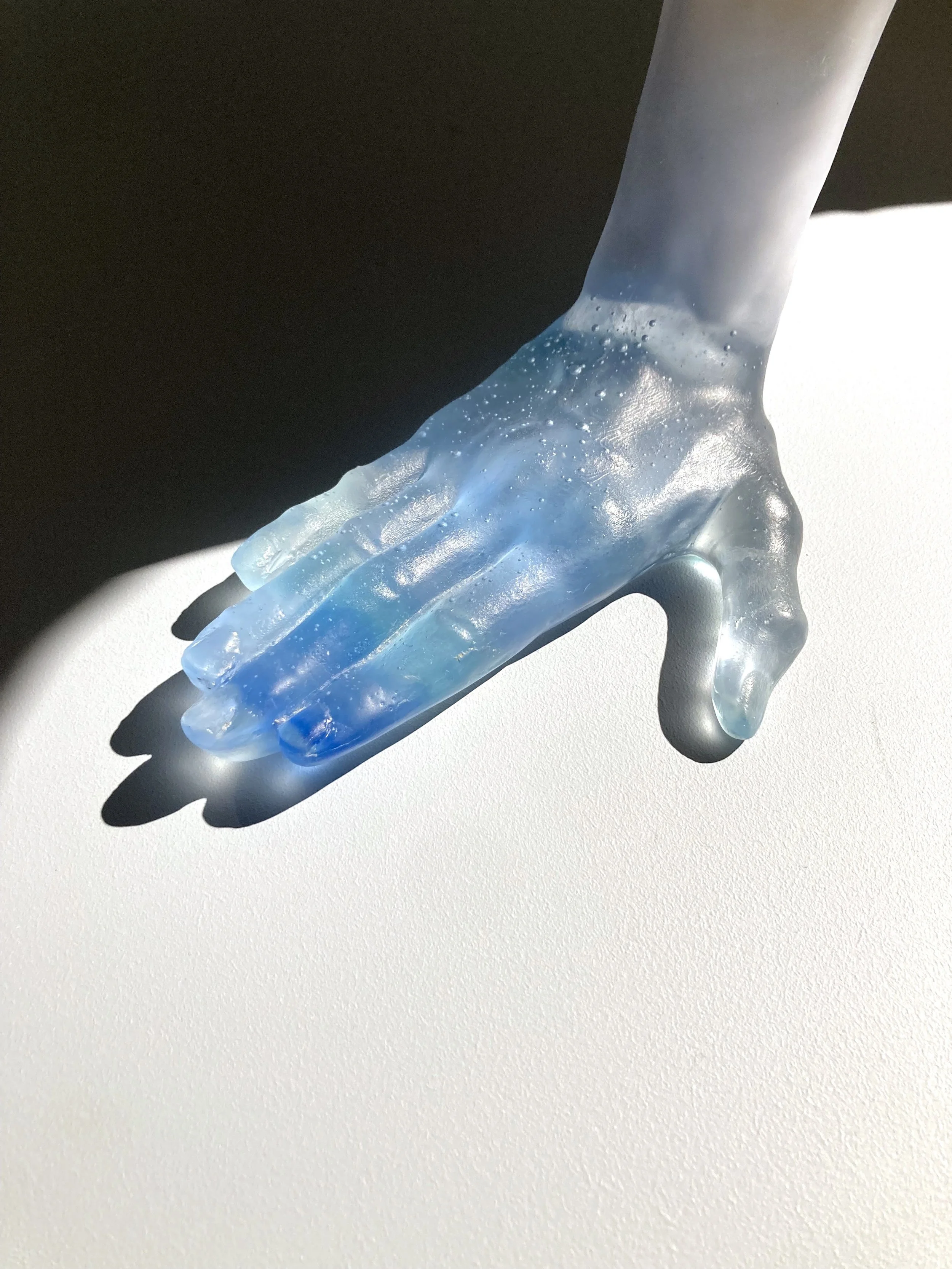
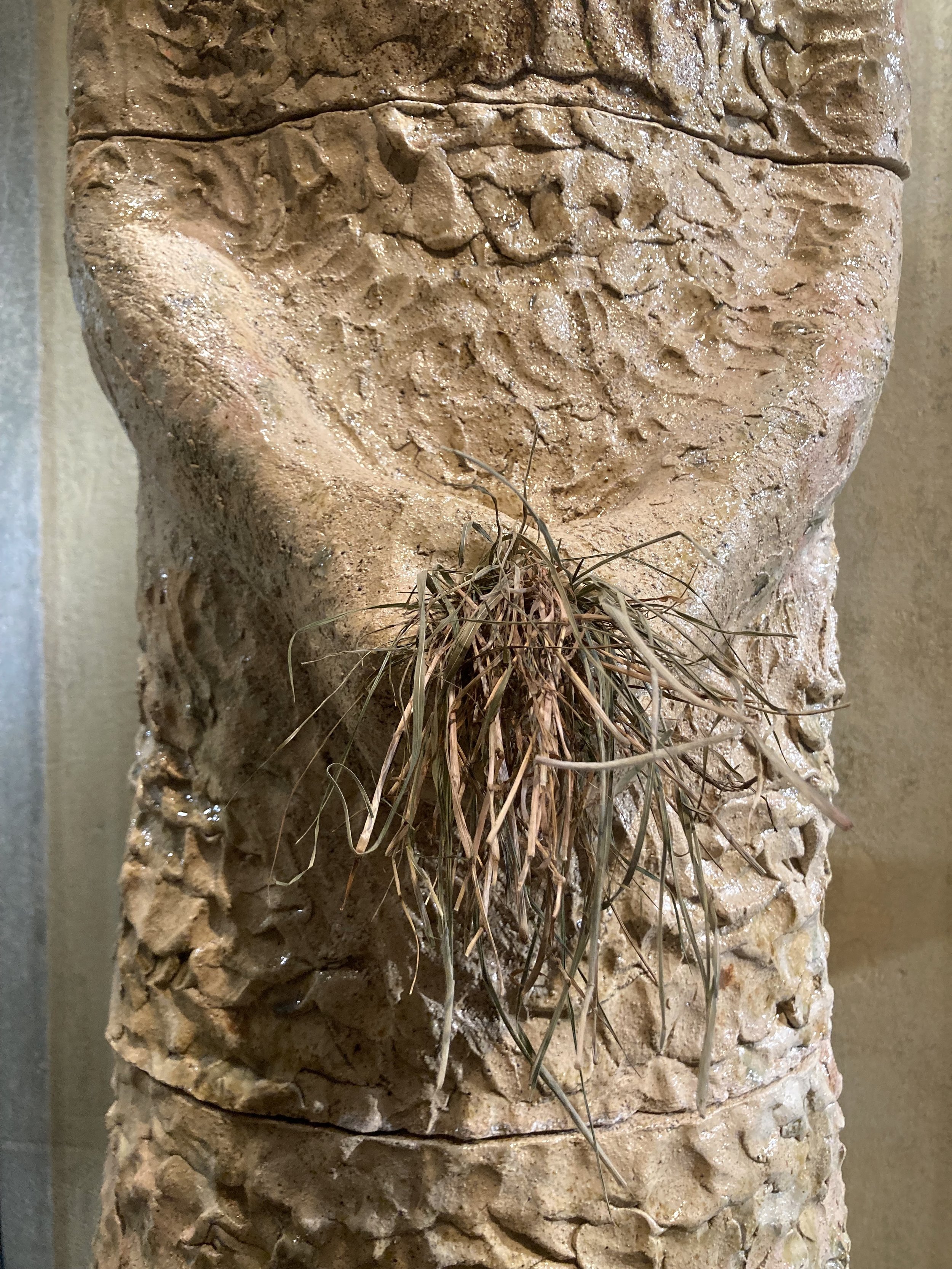
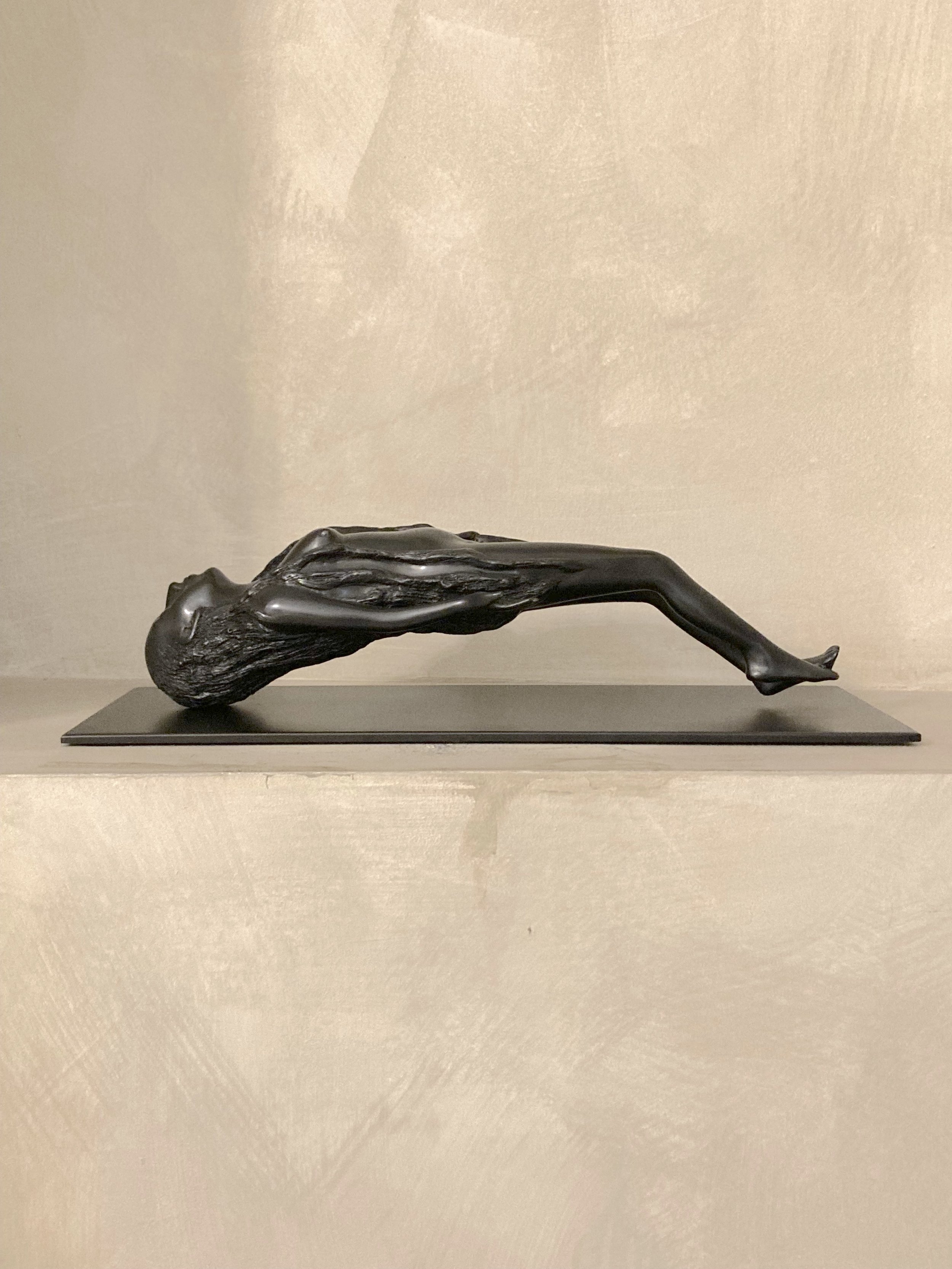
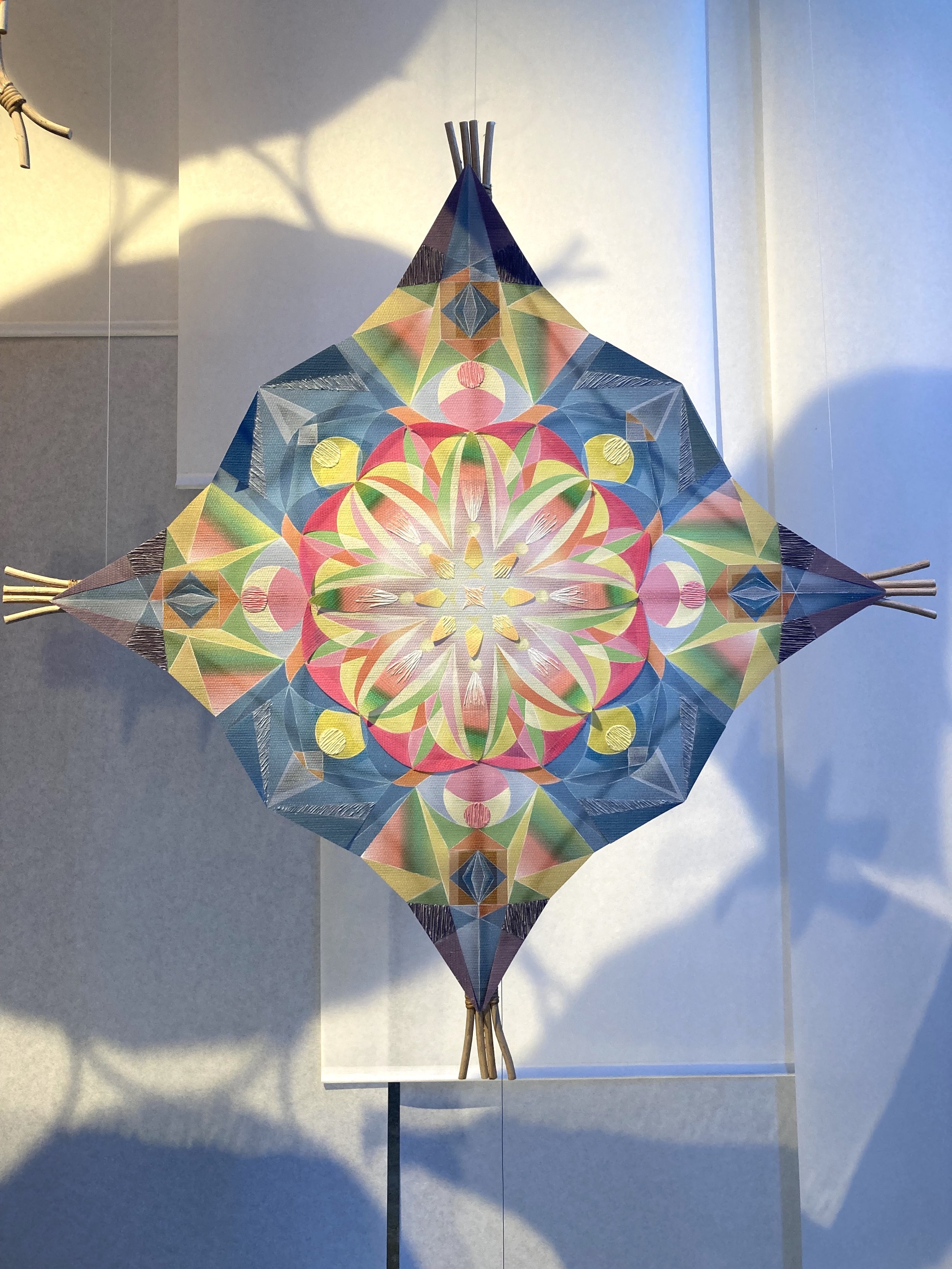
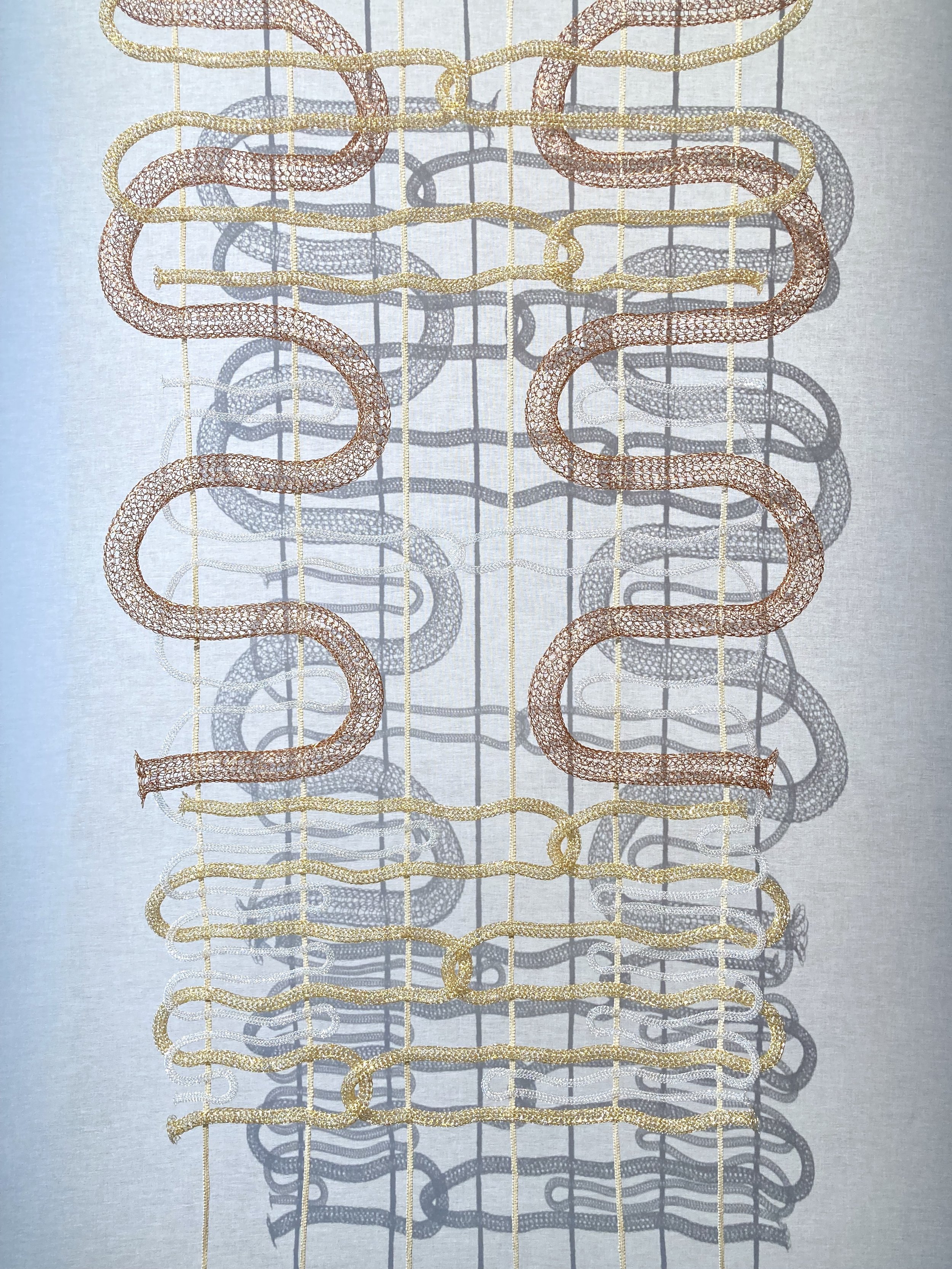
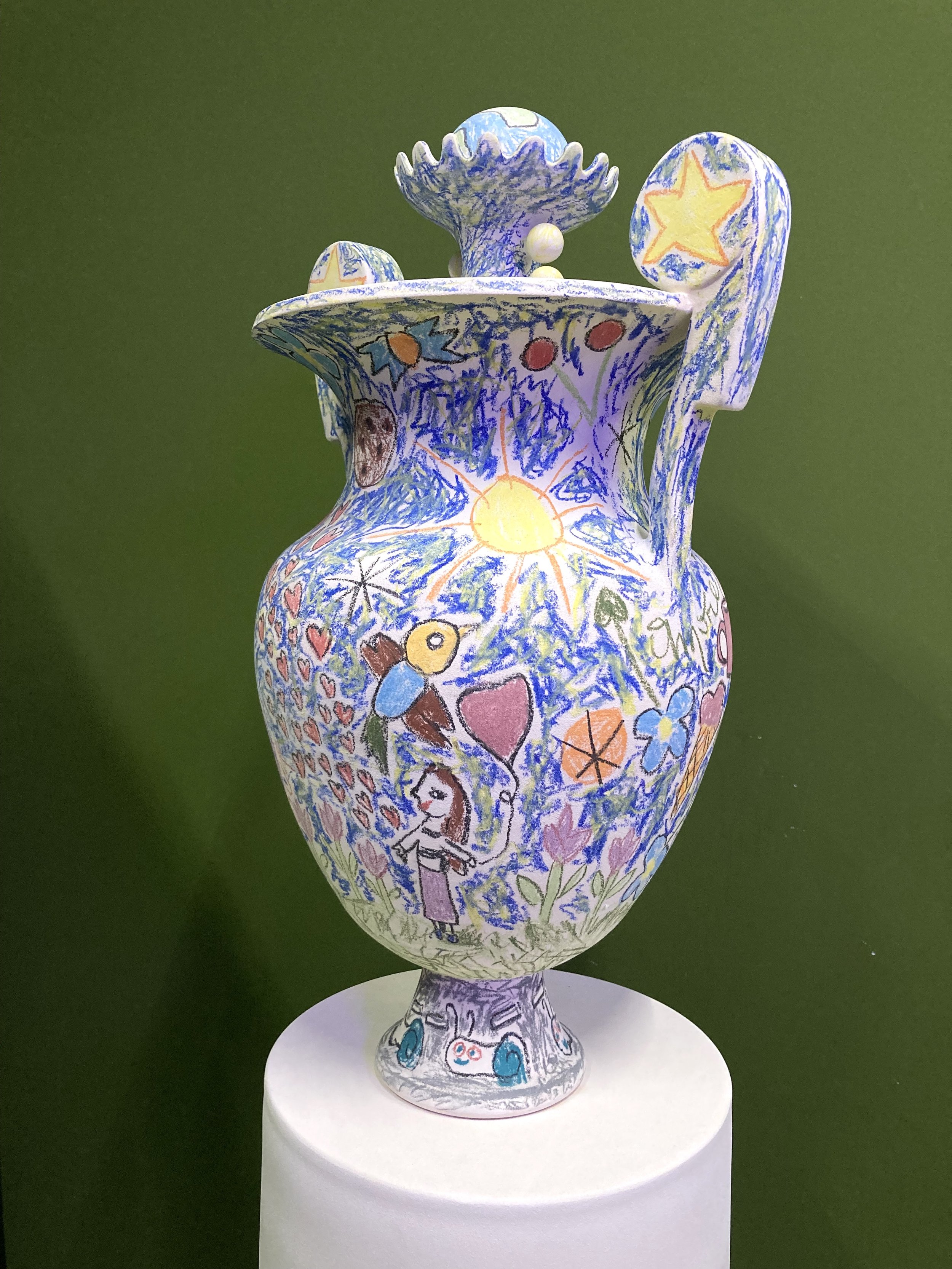
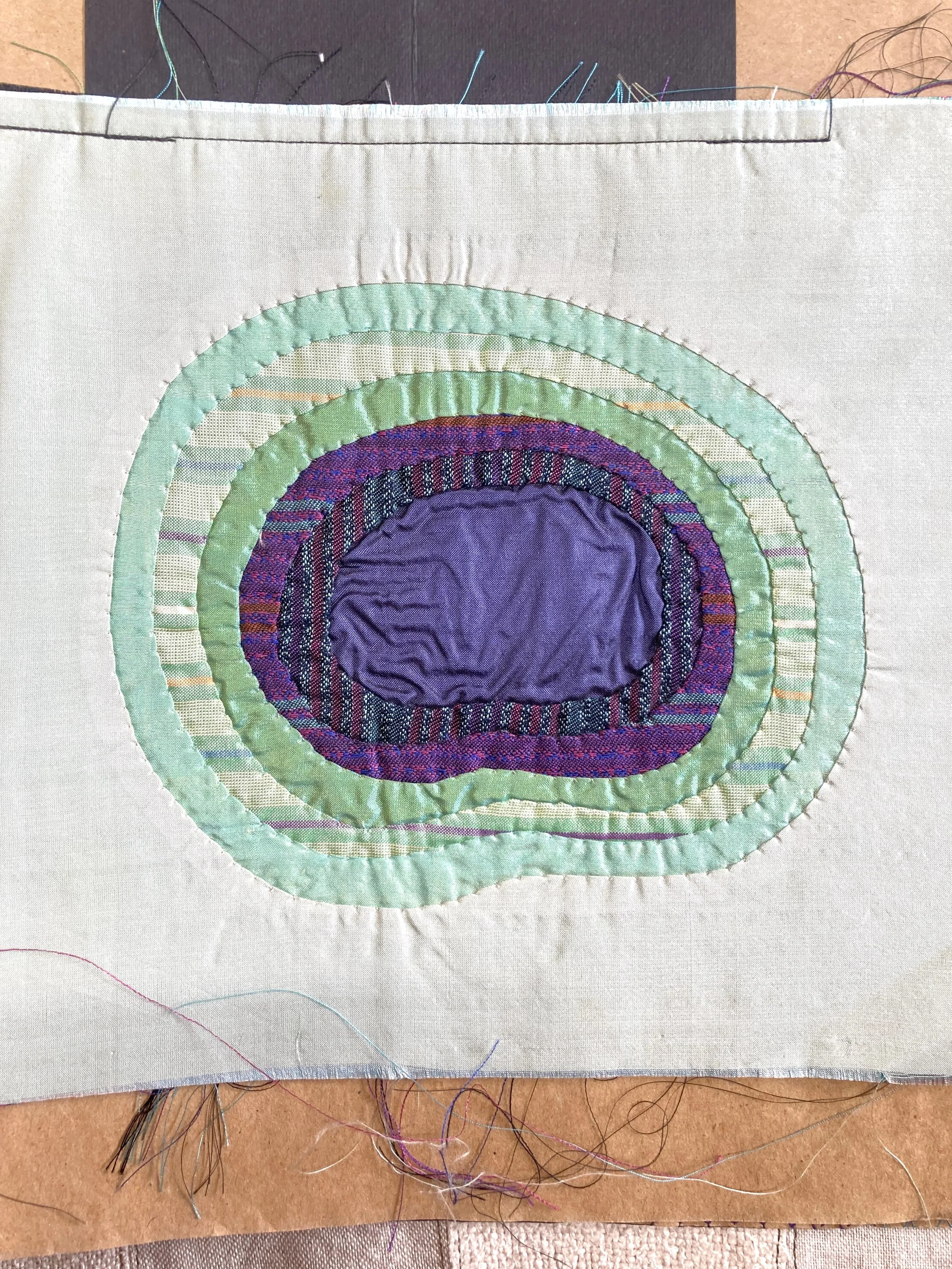
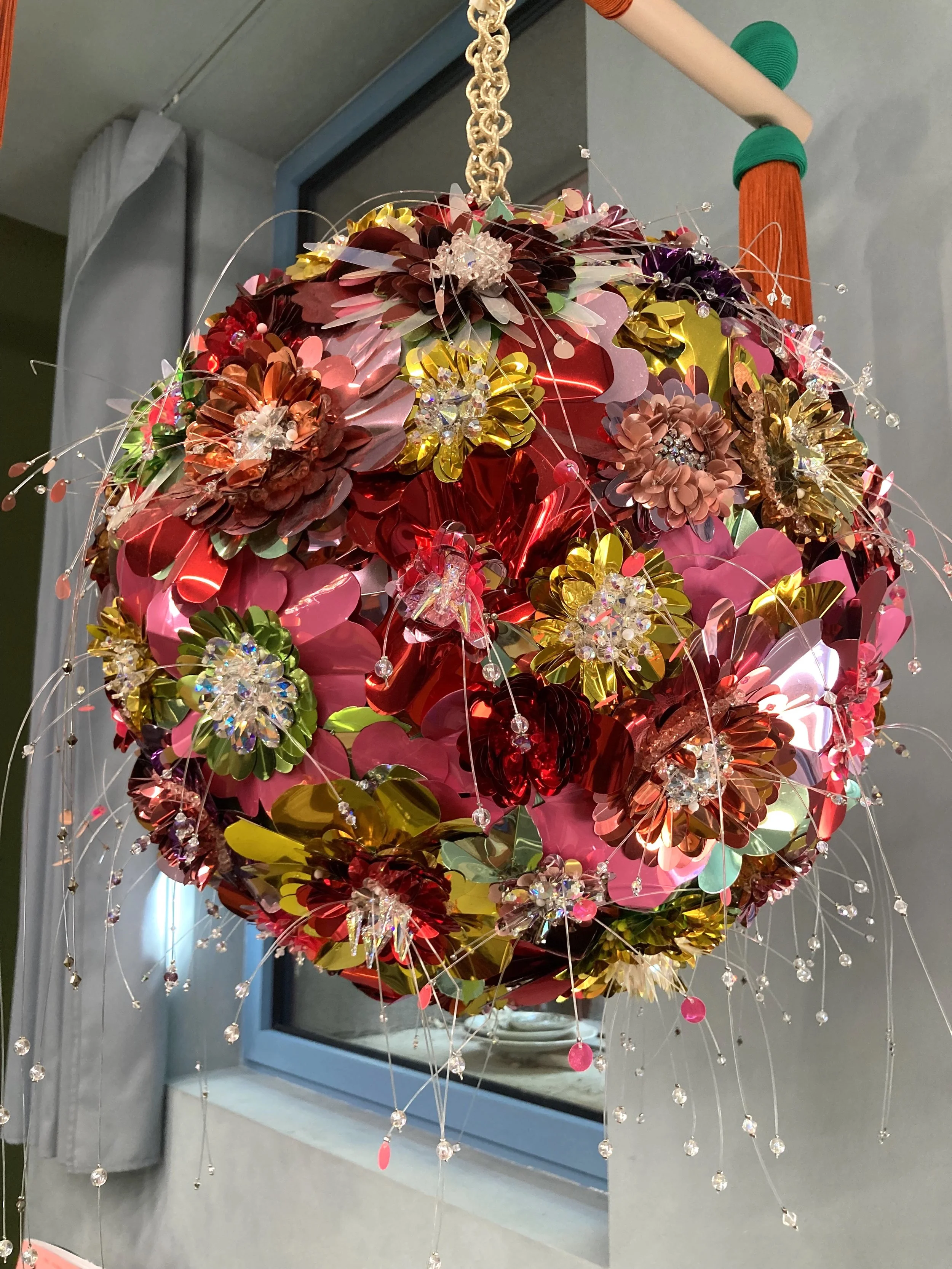
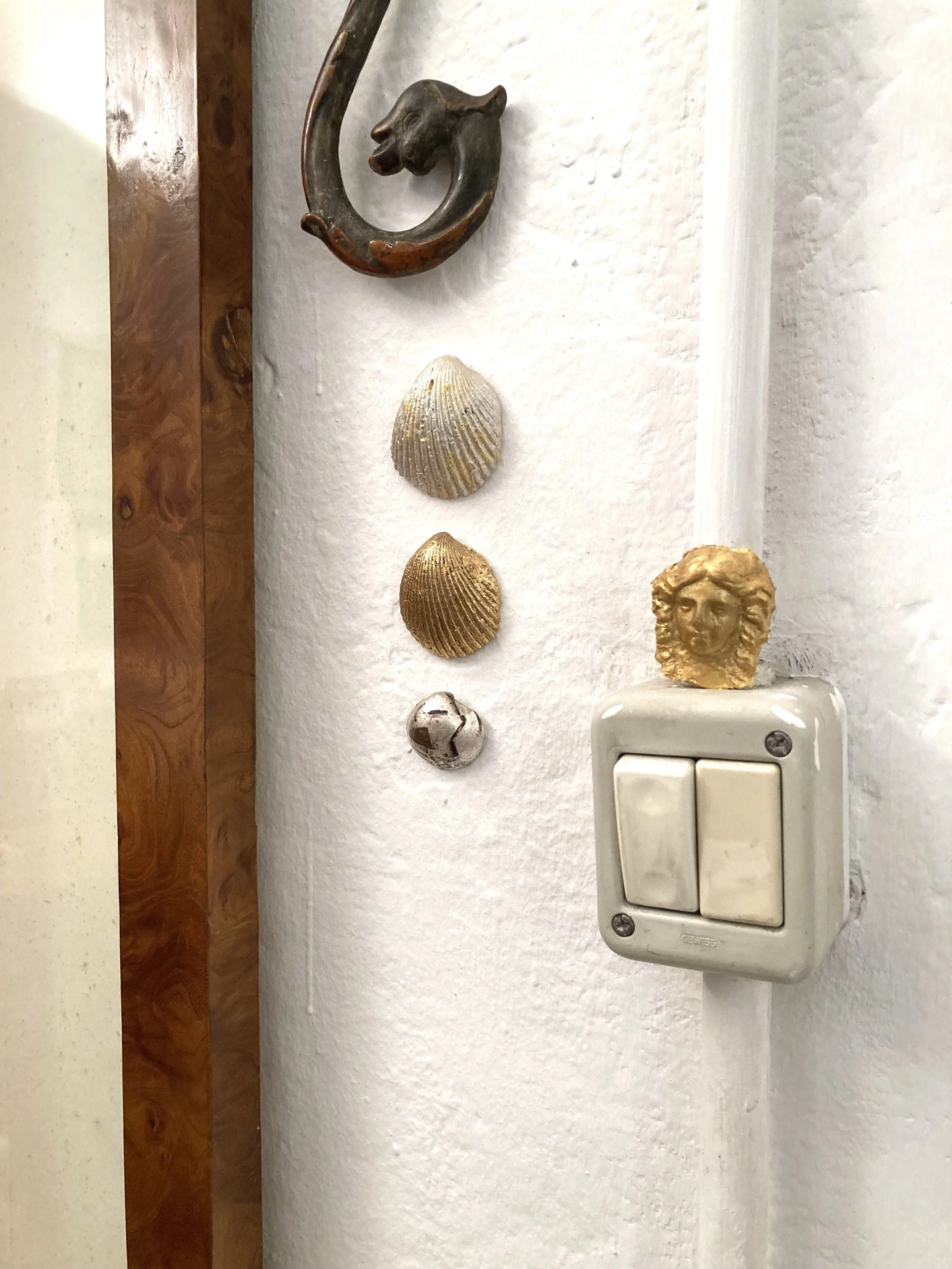
And finally, some exceptions to the Design Week deception: the pieces on show at Doppia Firma (my go-to event each time DW arrives), together with the final works of the makers granted with the Homo Faber fellowship, still had me marveling at their patience, their mastery and their wit. Another anchor in the mayhem of design-as-merchandise is the work of Sara Ricciardi, whose brilliant studio was open to the public, as part of Stadera Design District: collectable objects can still be a portal to a world of awe and delight.