Gem of an island
Let me inaugurate this blog with the retelling of a recent travel - the type of thing that sits very high on my personal scale of treasures.
My last escape from the city grind (which picked up an unbearable pace with the Olympics approaching) was to Lanzarote, a little gem of an island north-east of the Canaries archipelago. It was my first time around this corner of the Atlantic Ocean, and I couldn’t have been more delighted to make this encounter.
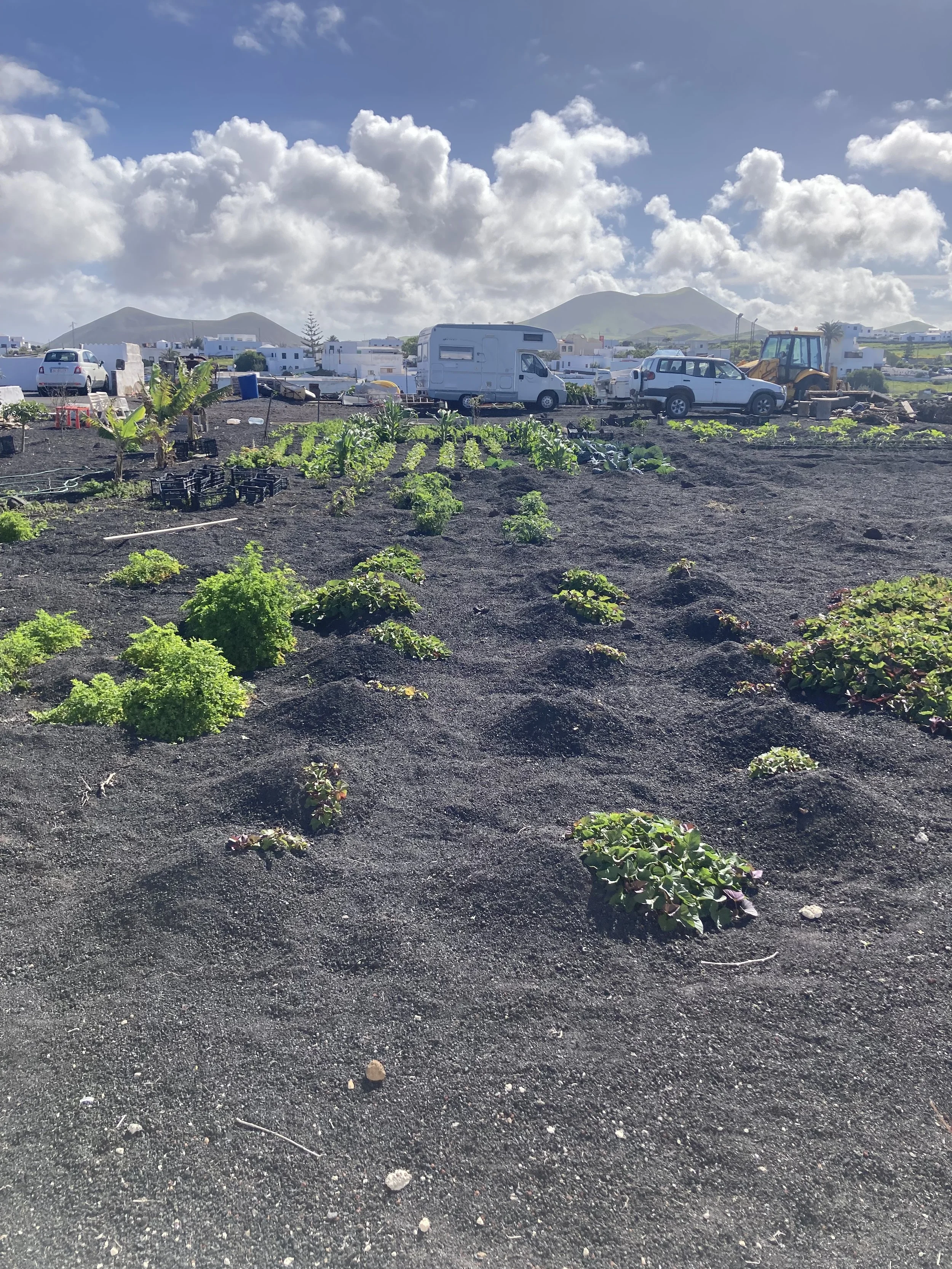
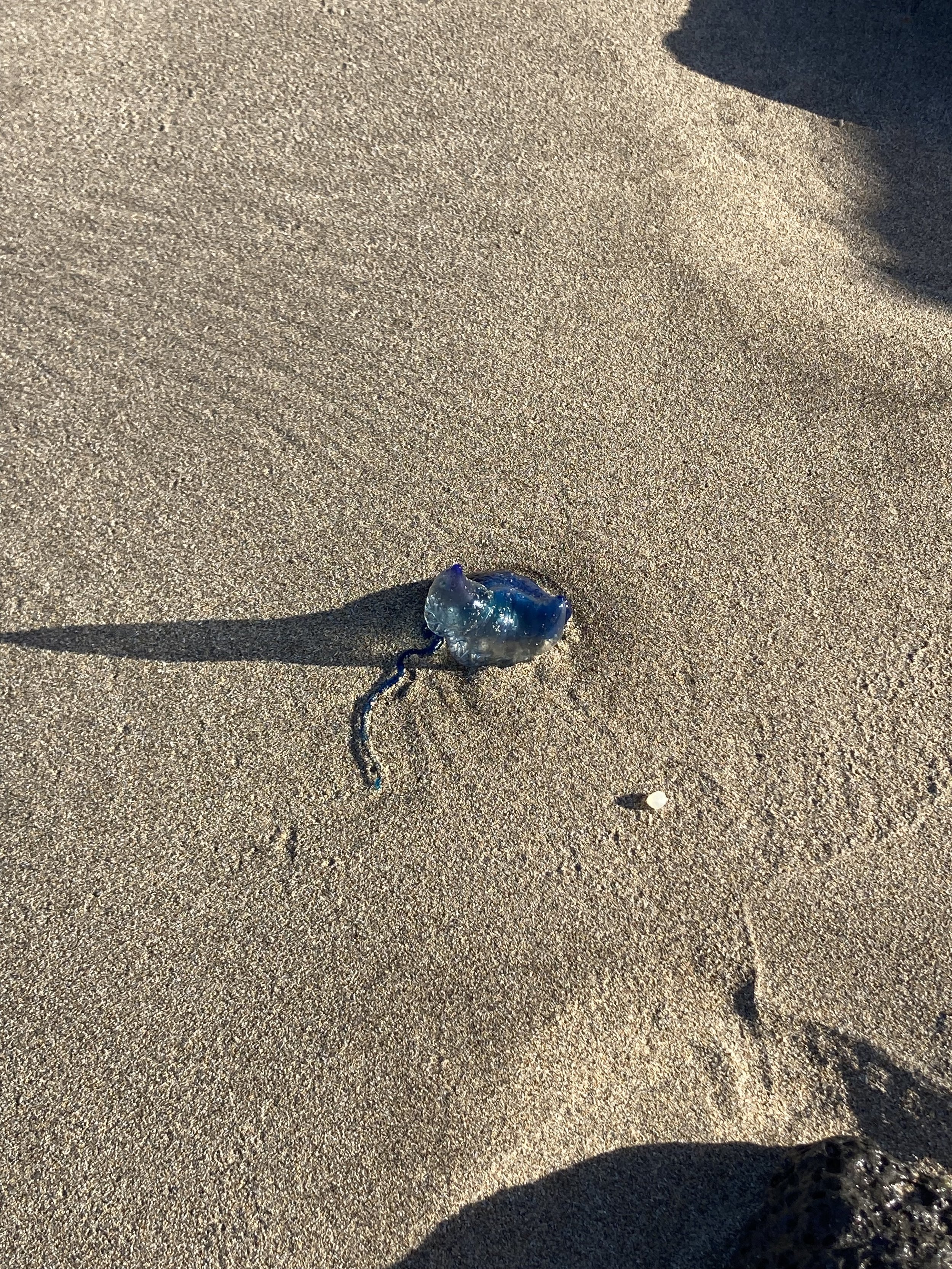
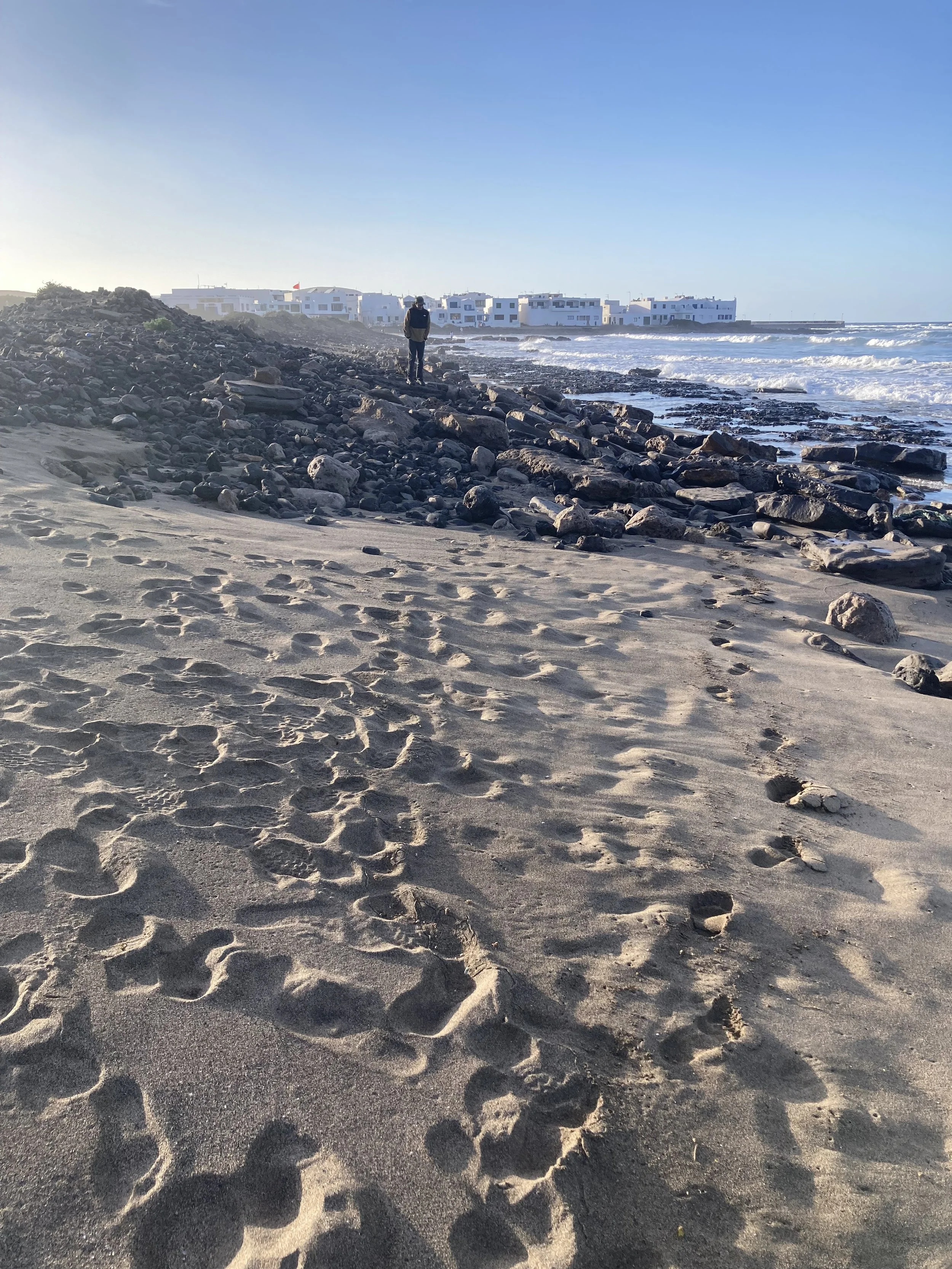
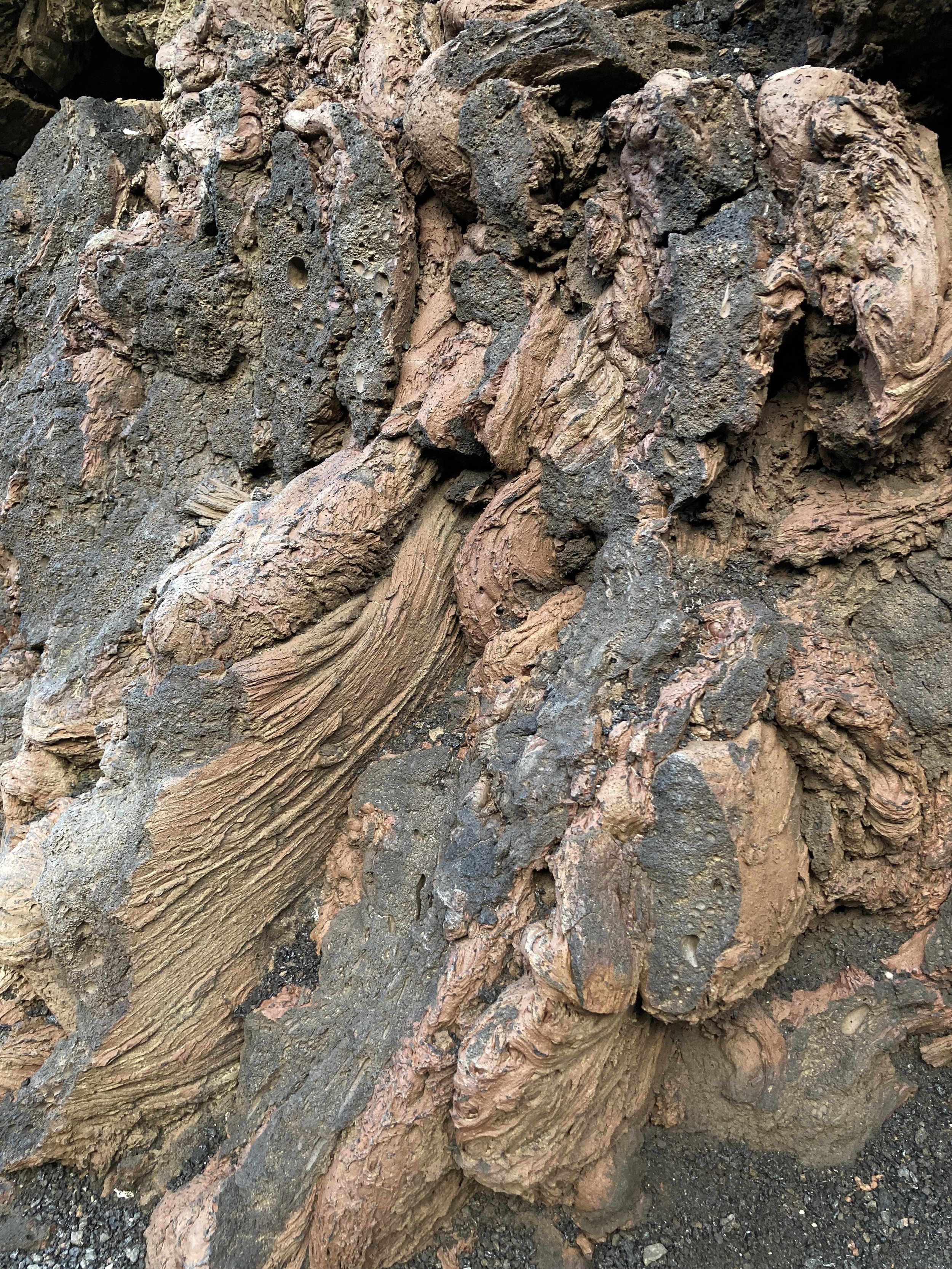
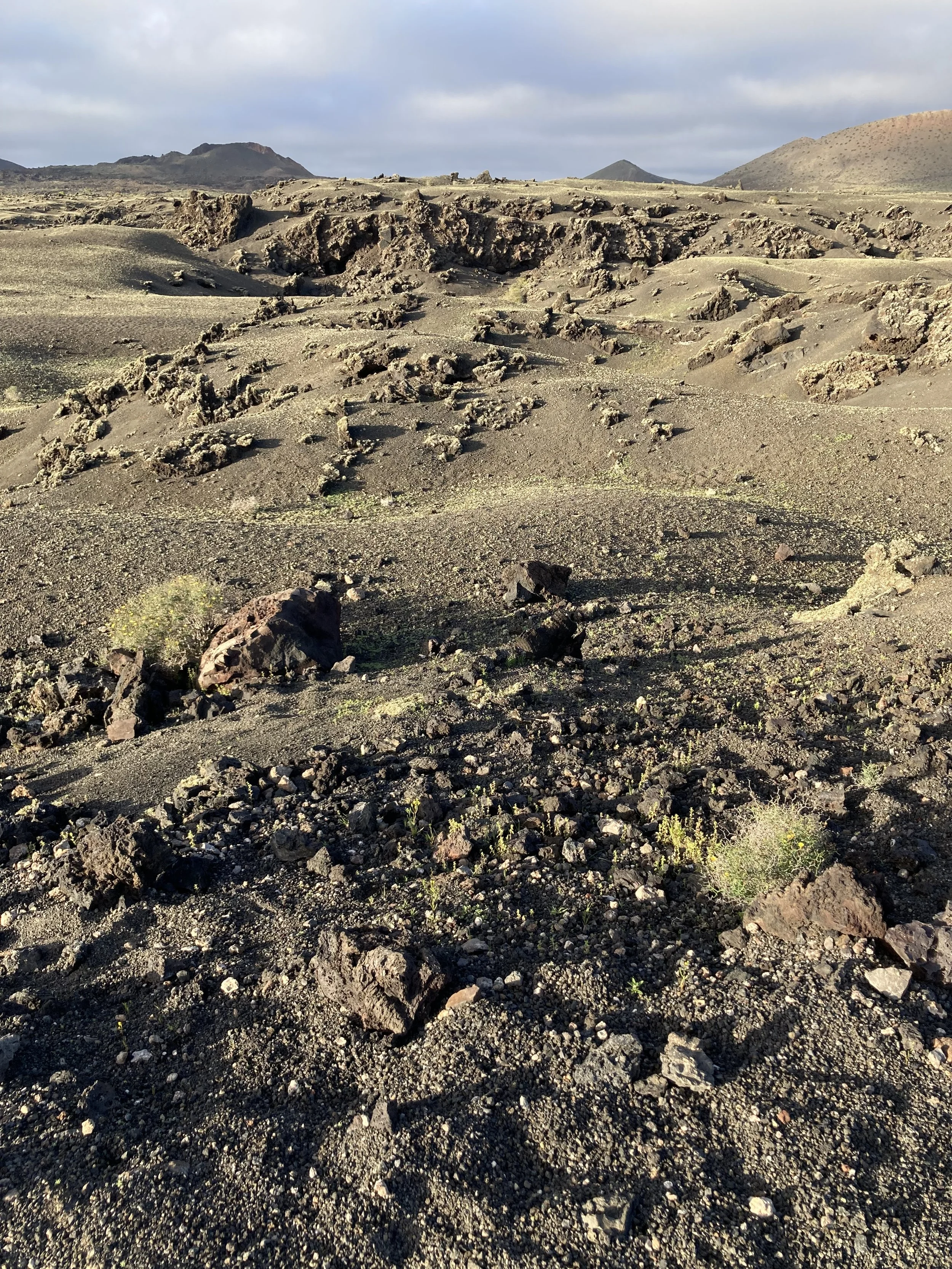
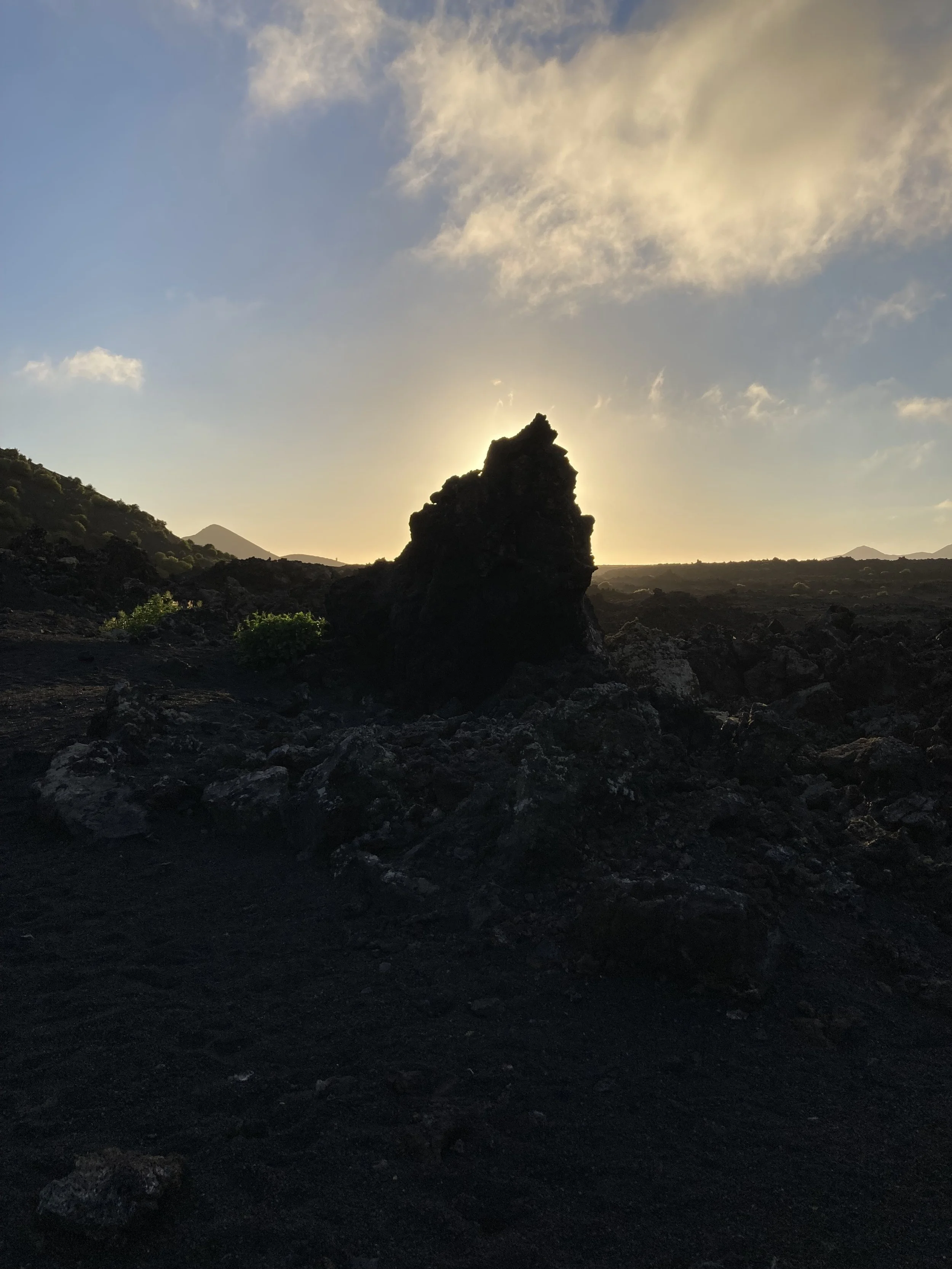
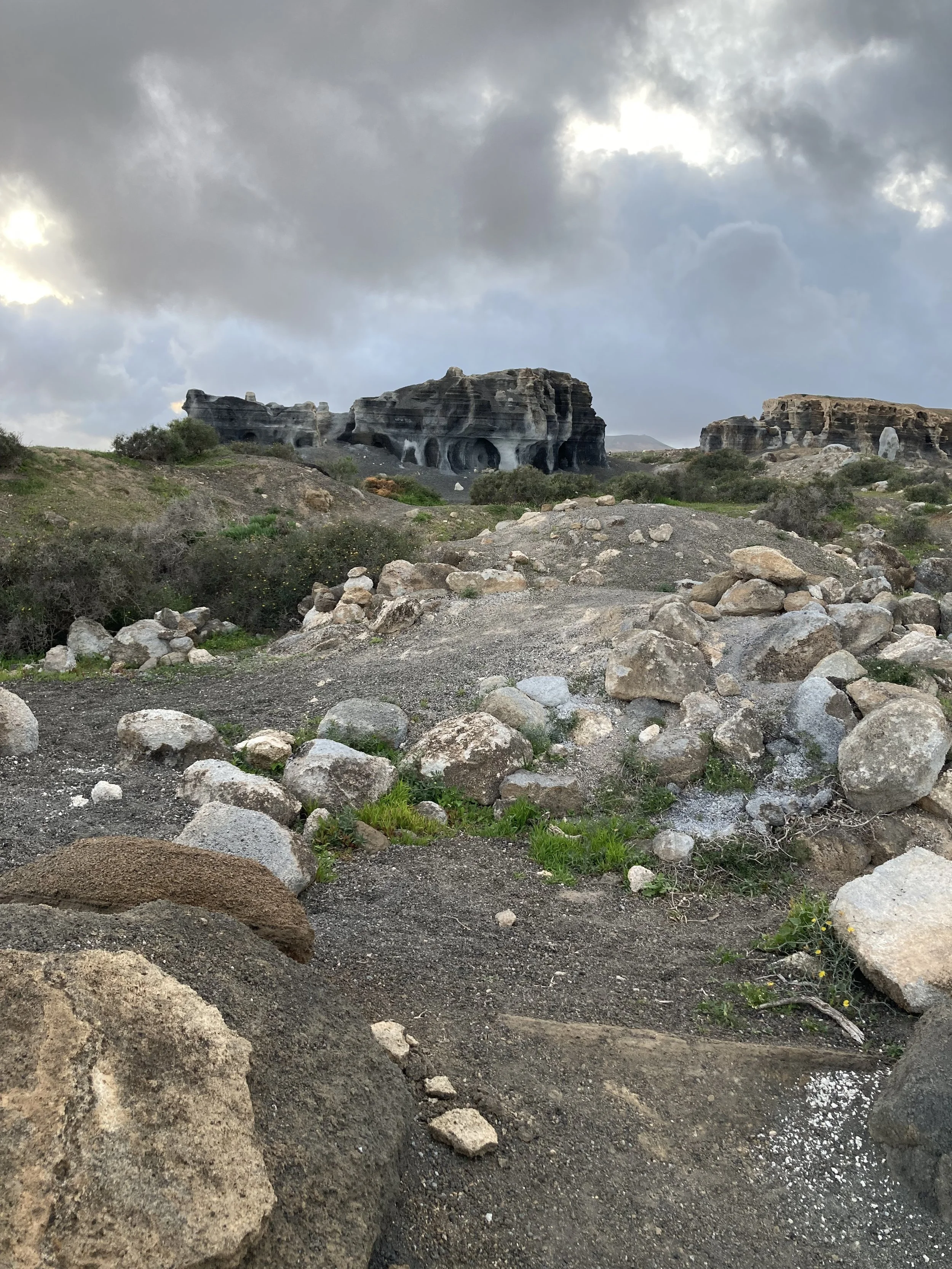
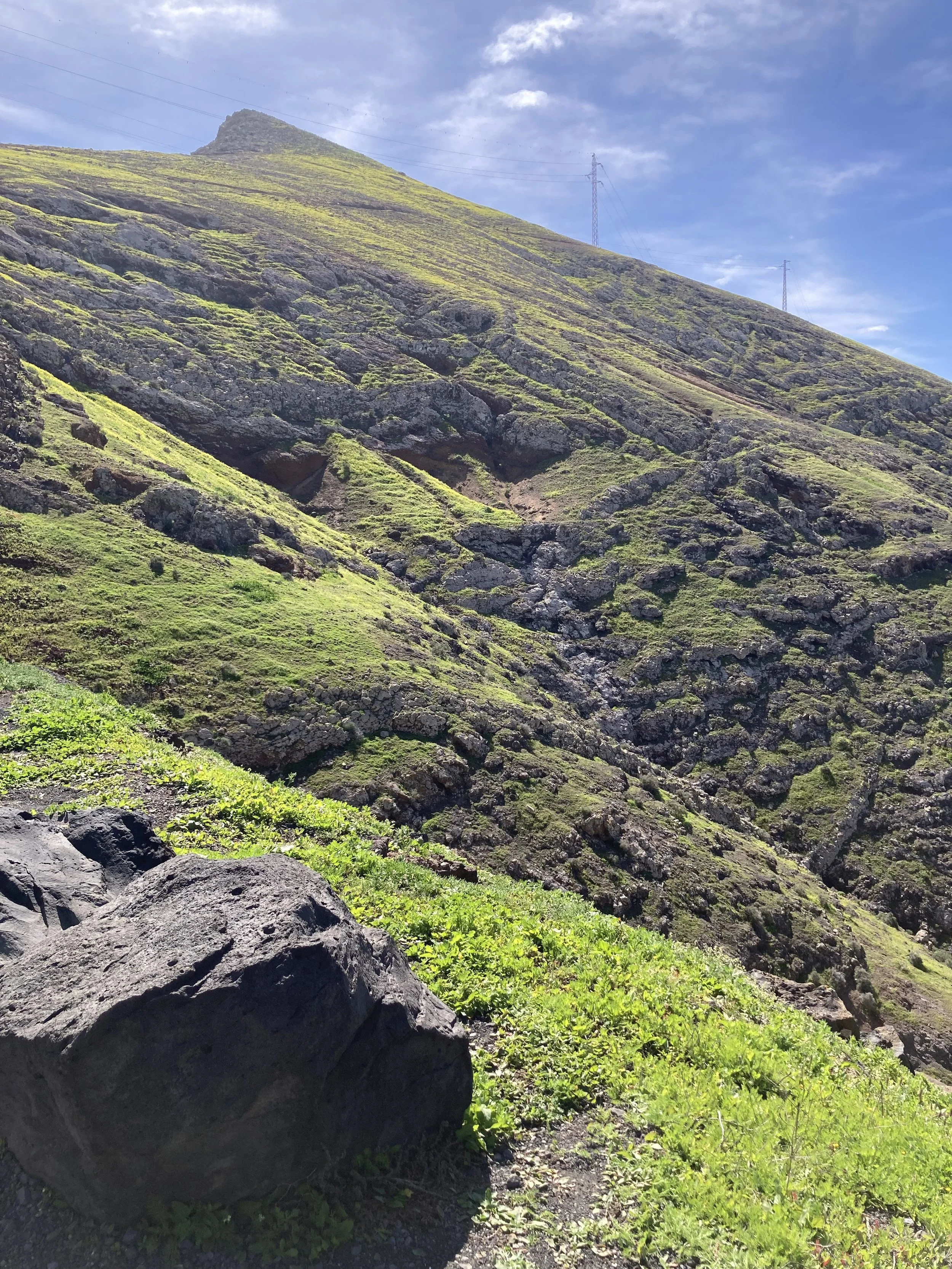
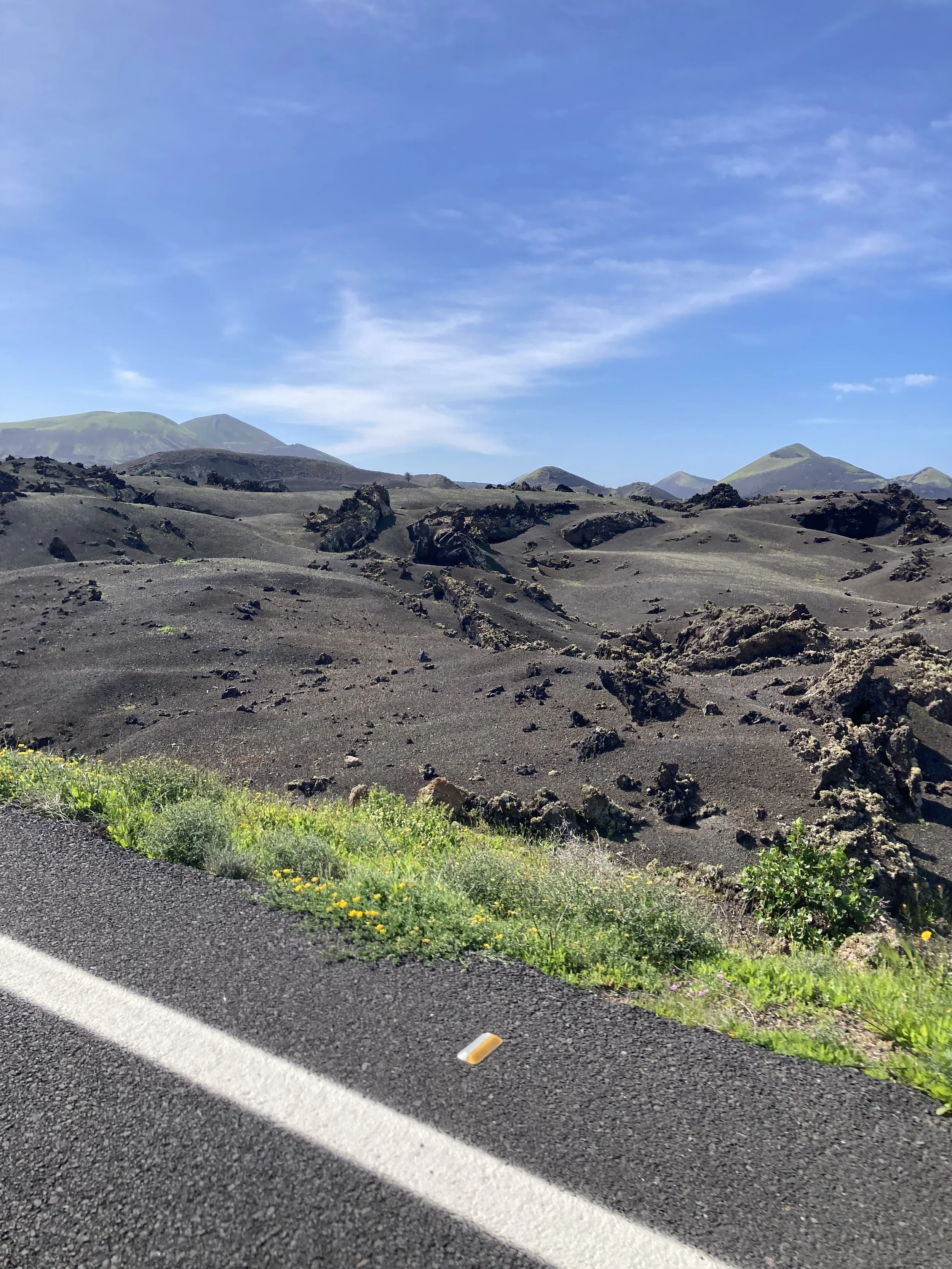
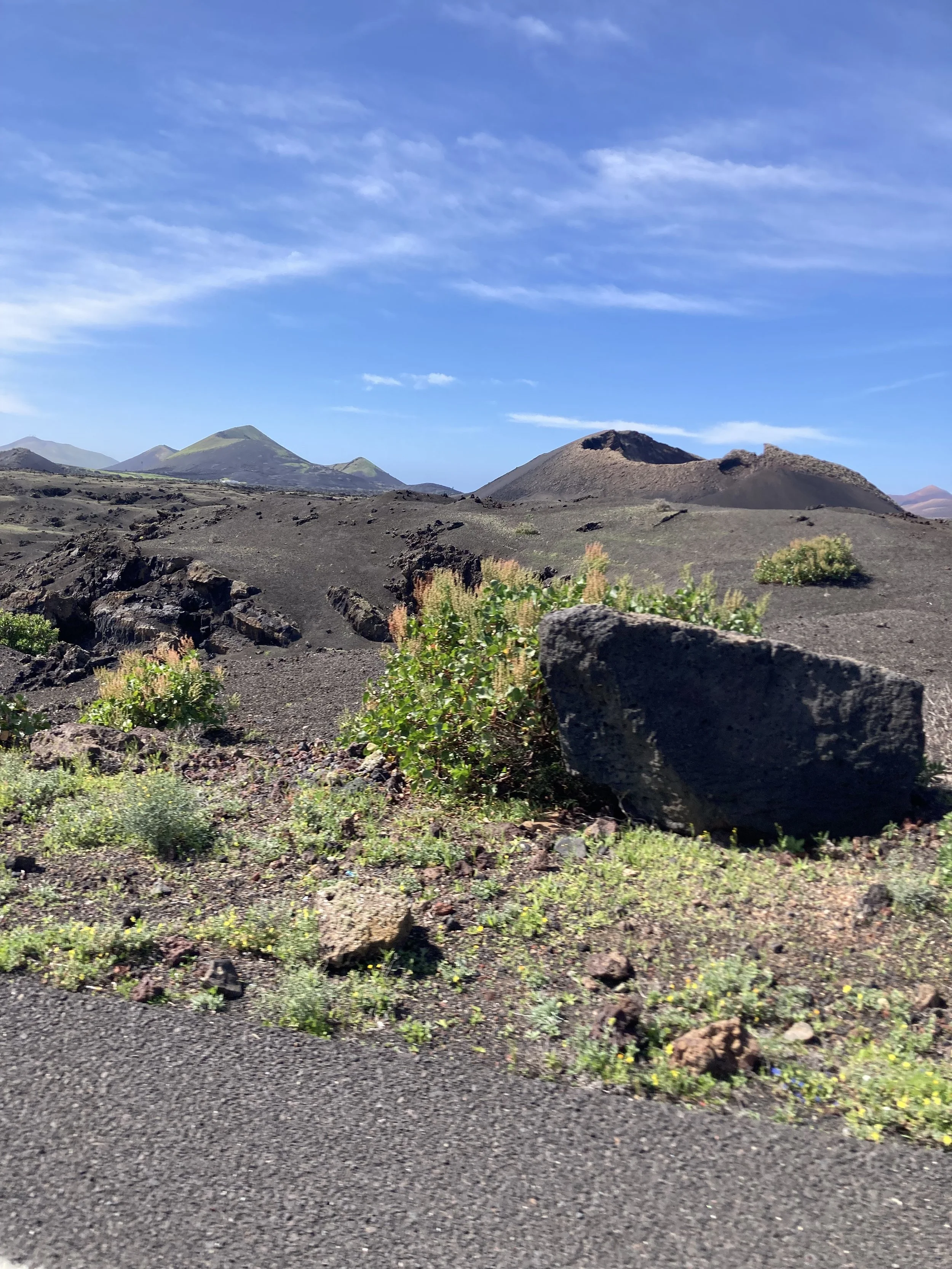
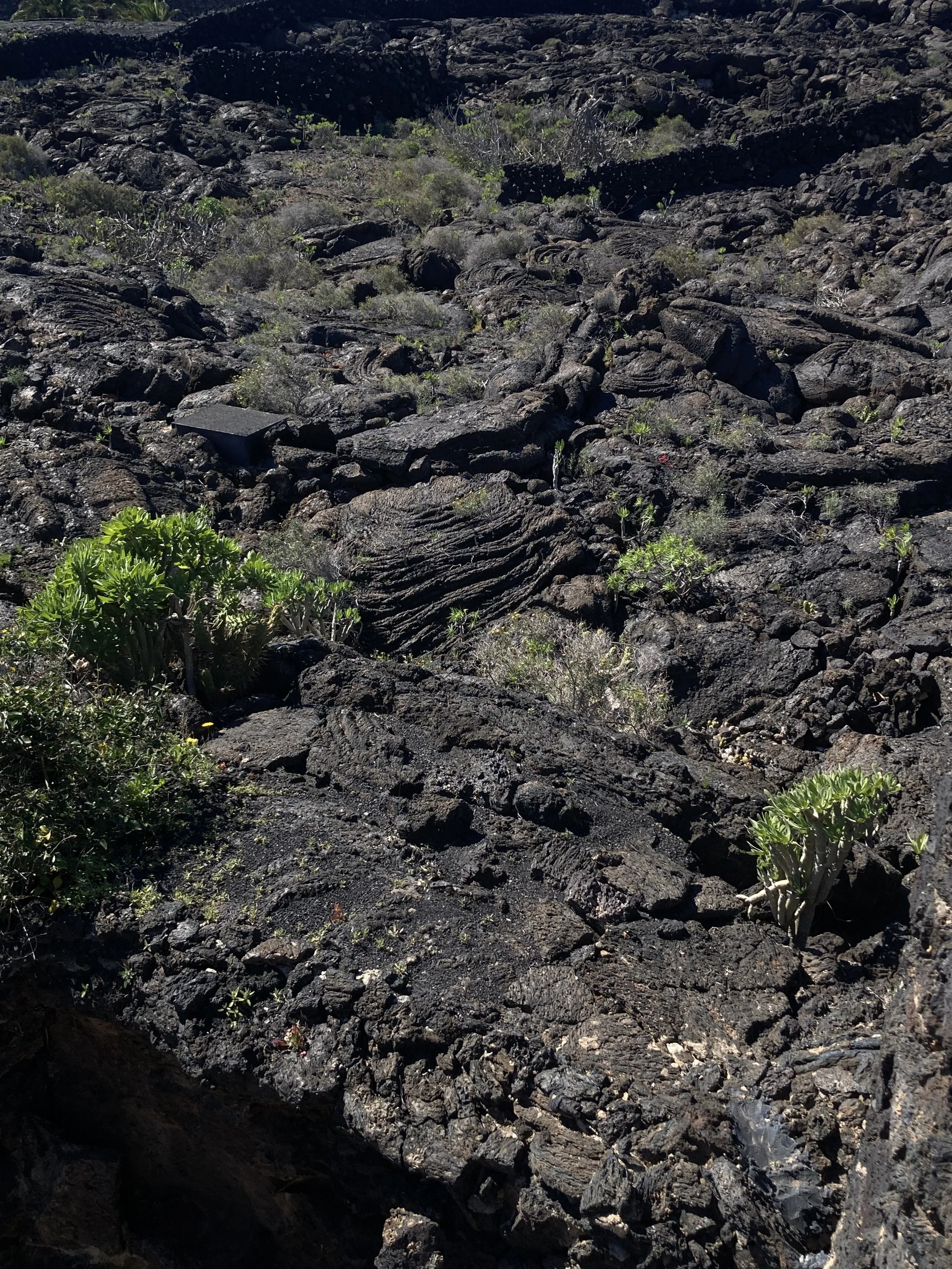
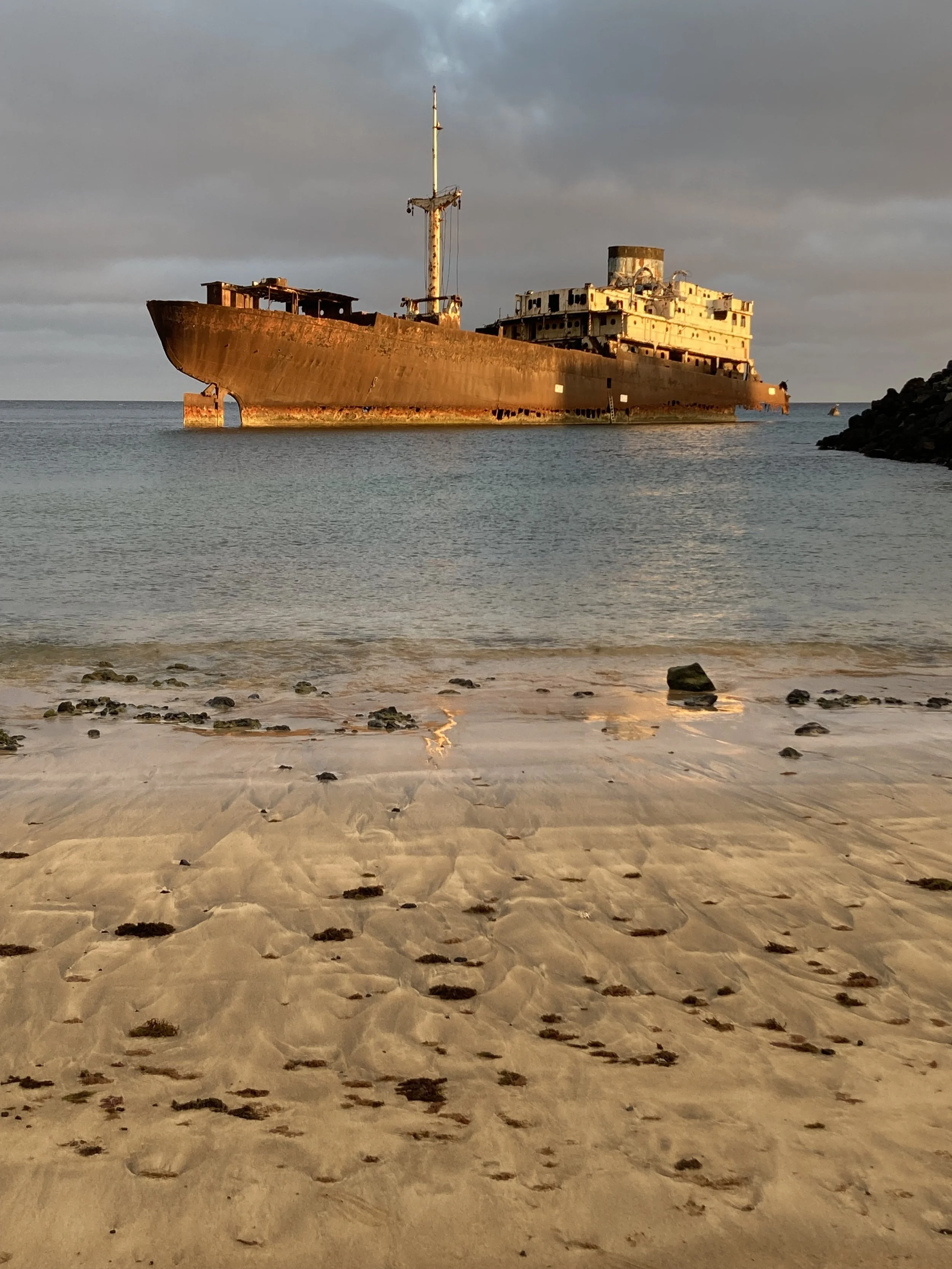
The island’s name we use seems to come from the Genoese sailor Lanzerotto Maloncello, who led the first Castilian ships to this volcanic dot, 120km off the coast of Morocco. Even though the western colonisation of Lanzarote started in the early 15th century, it’s fair to imagine that the Spanish settlers knew a place completely different from what we see now, as the island's geology was completely reshaped by 6 years of intense volcanic eruptions in the 1730s. Nowadays, the local skyline counts hundreds of dormant volcanoes, which haven’t been active since the 19th century but are not fully extinct. The air is brimming with energy in fact, and from the succulent vegetation to the denty coastline, the never ceasing wind and the wide open view on the Milky Way, everything is filled with a warm, potent force.
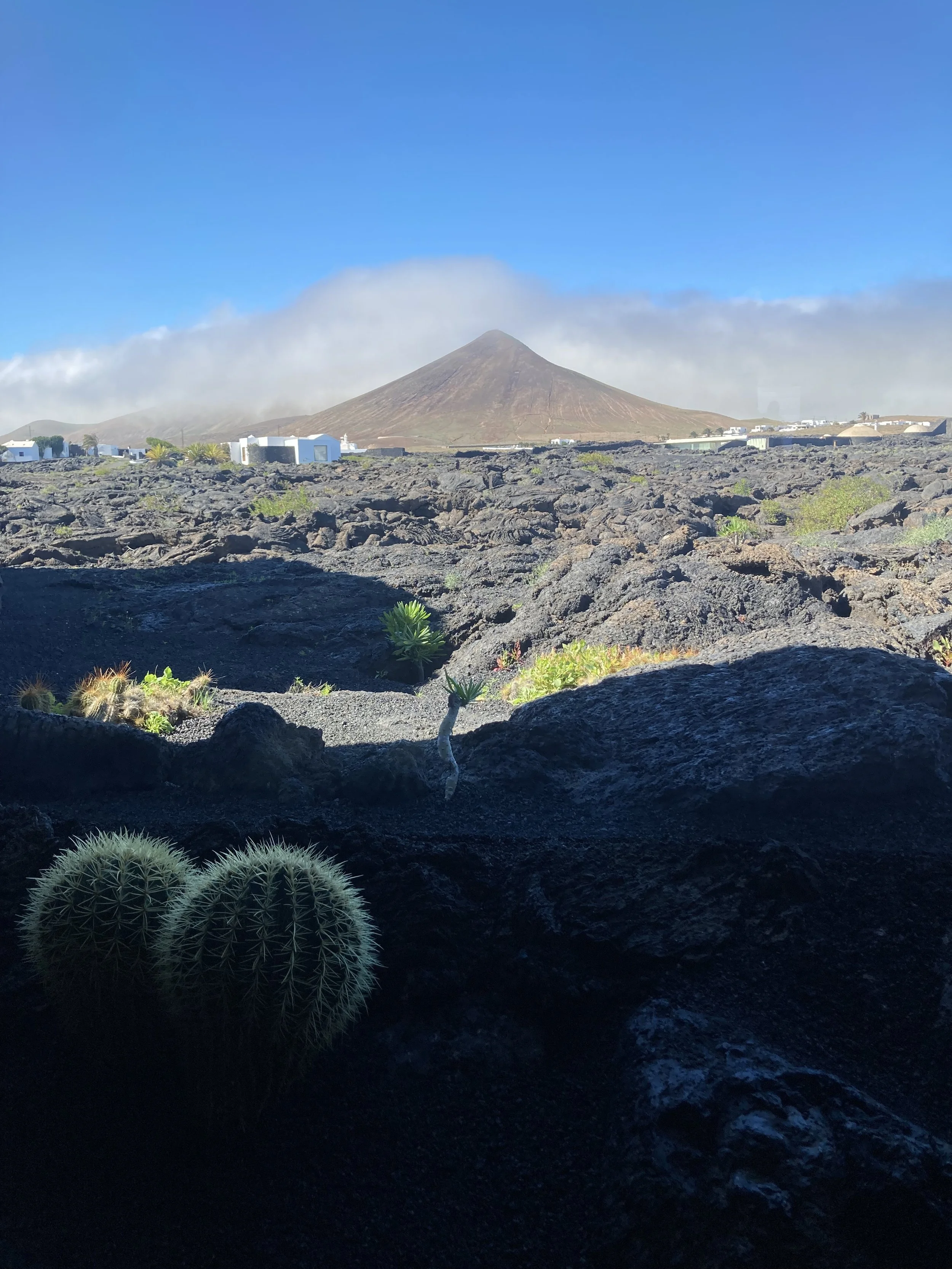
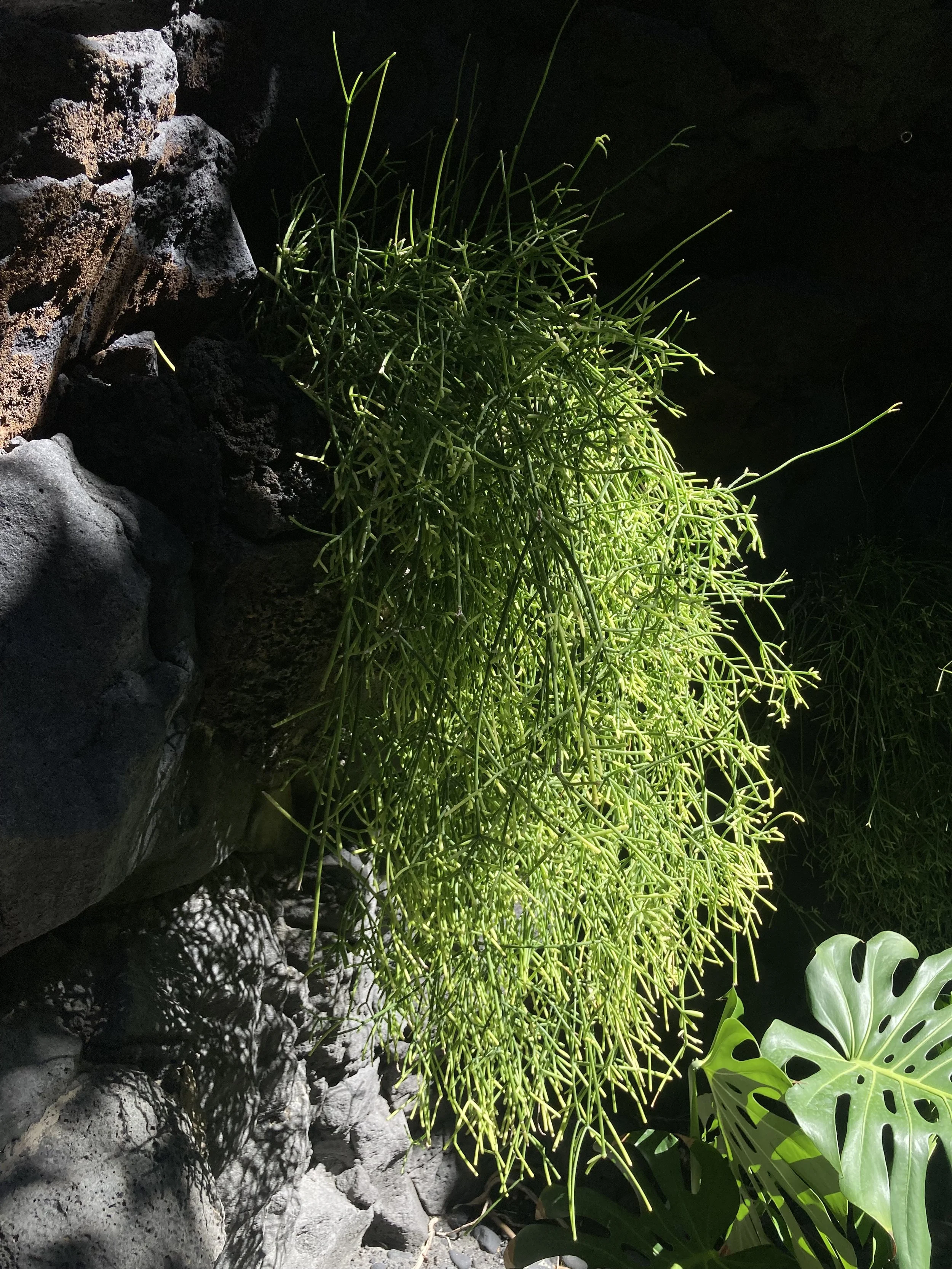
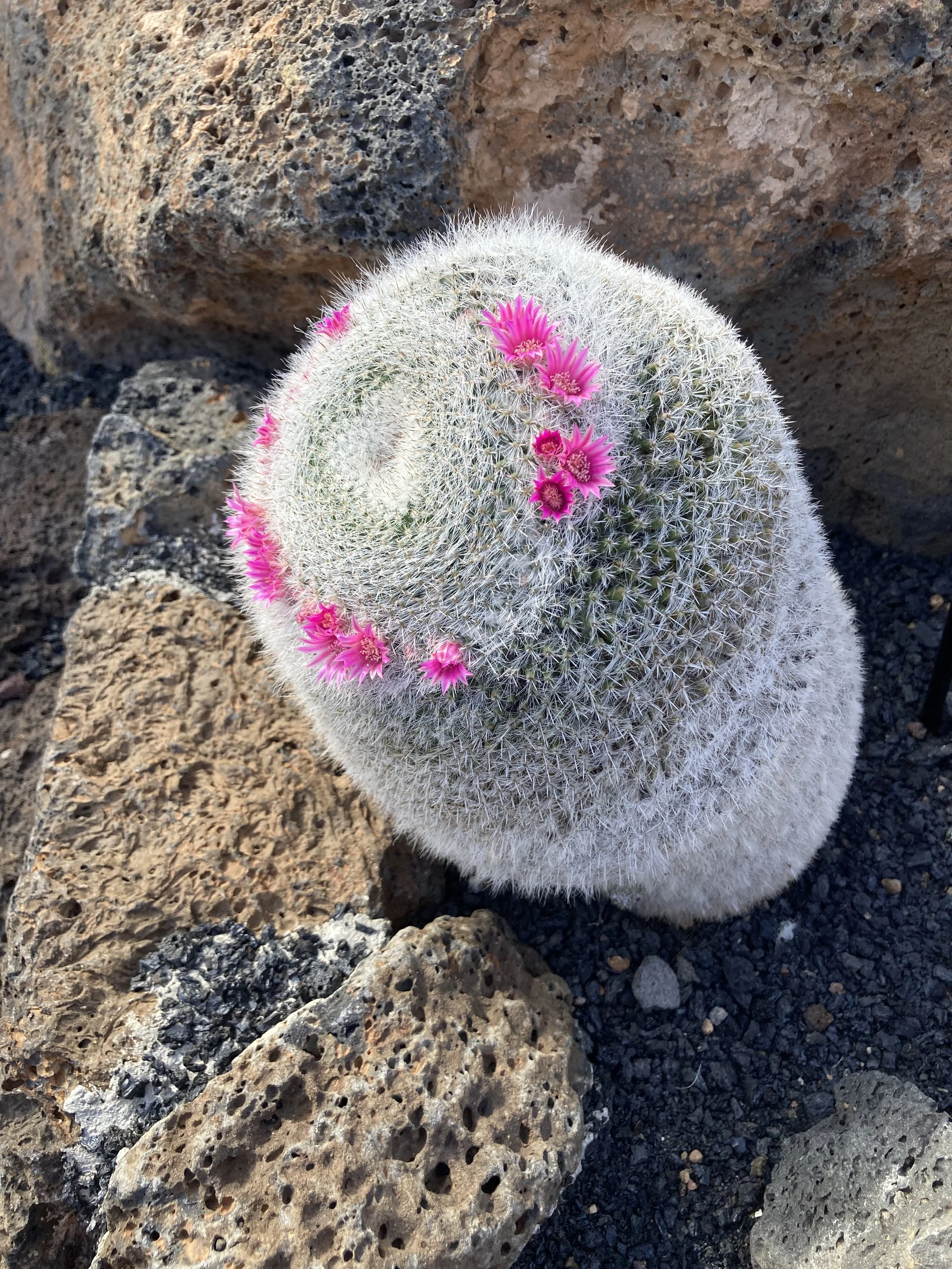
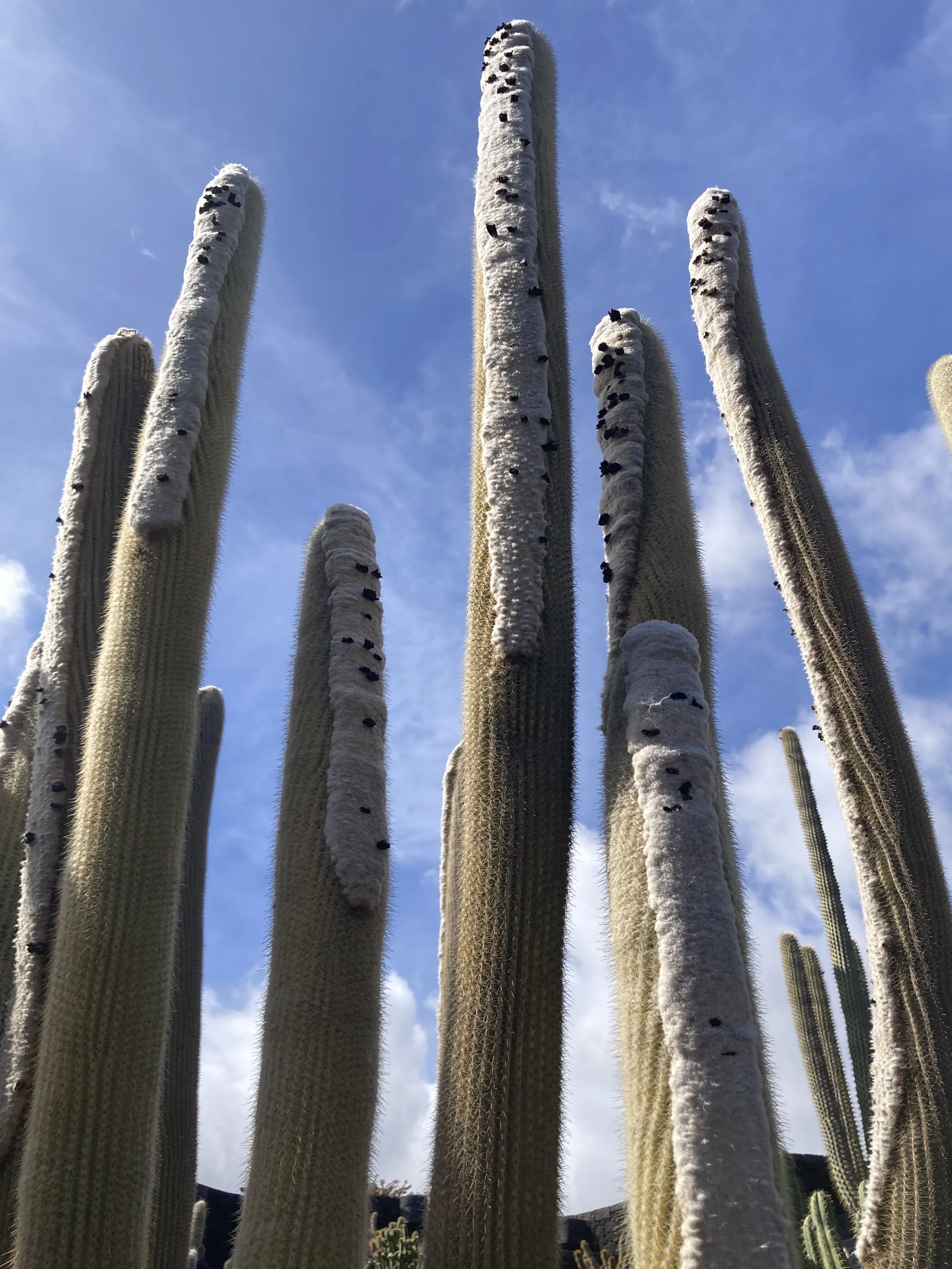
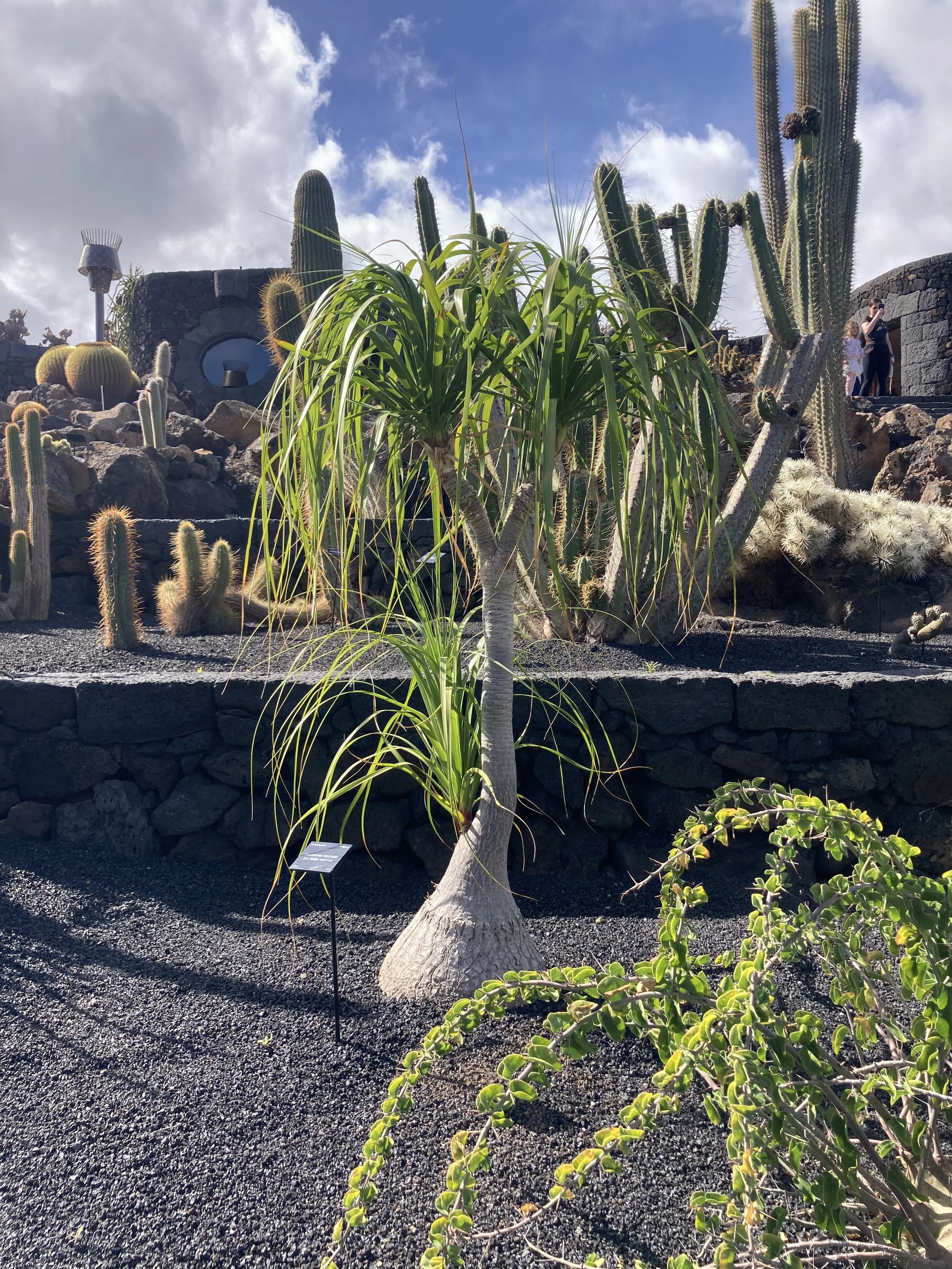
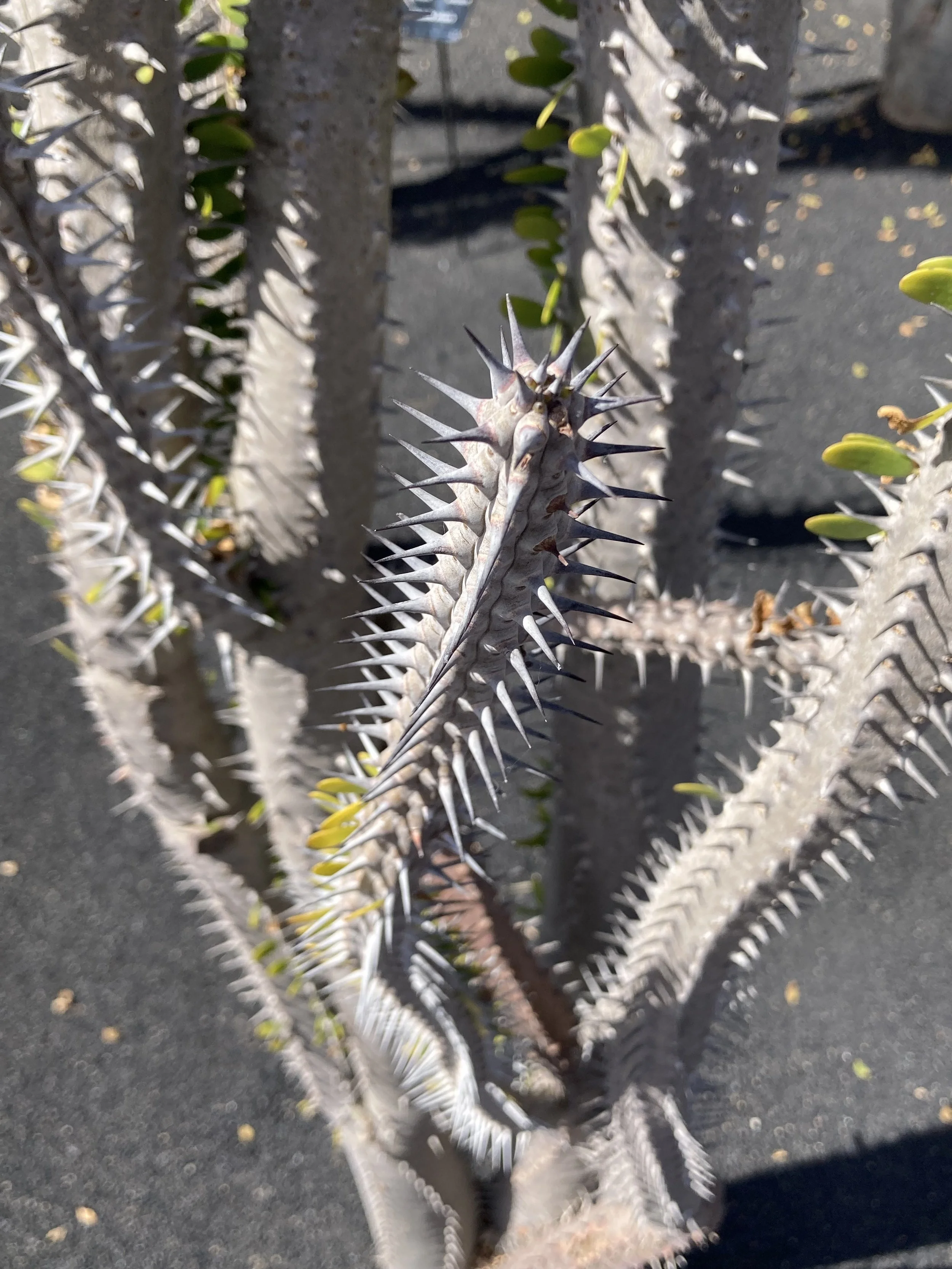
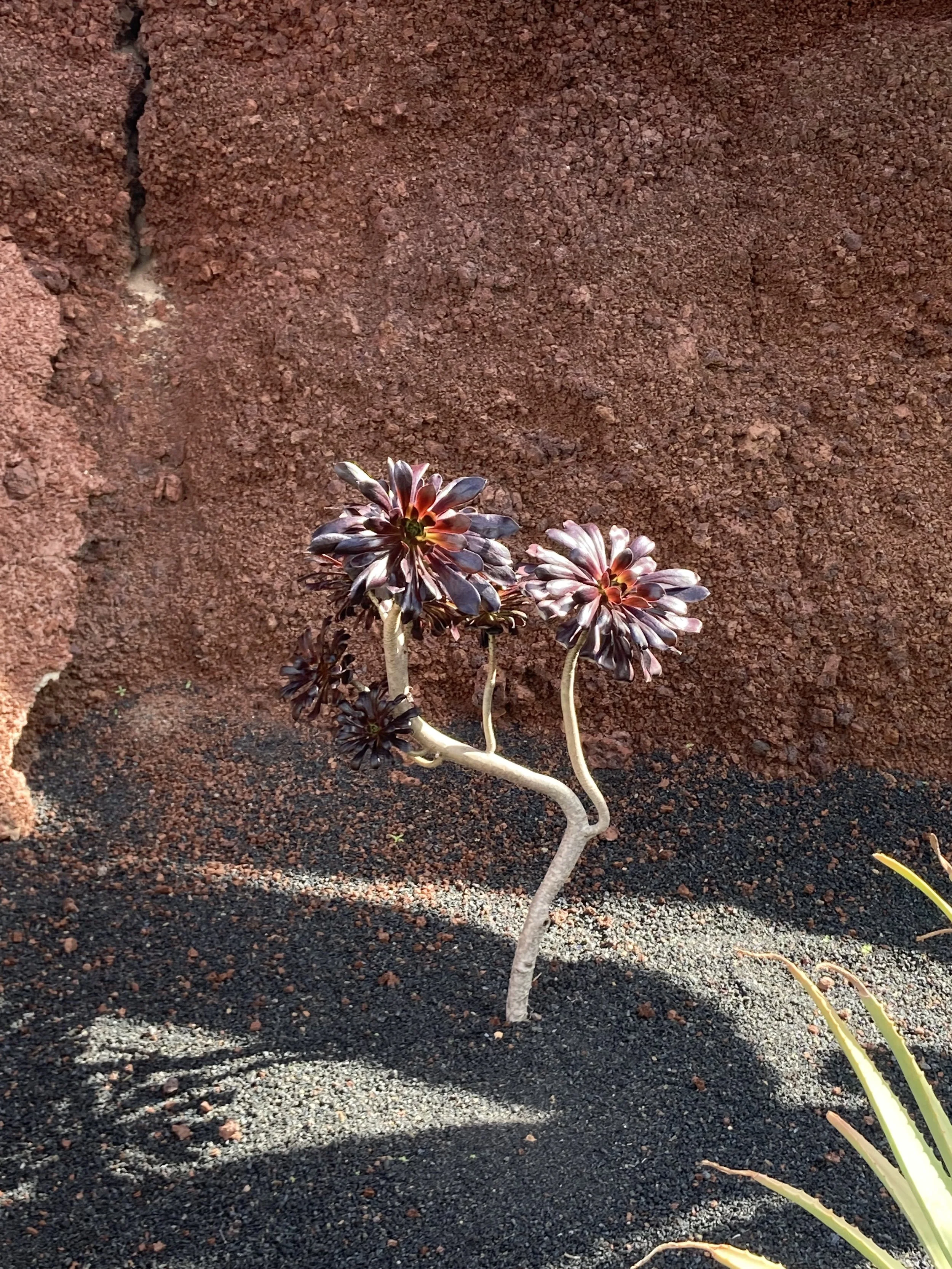
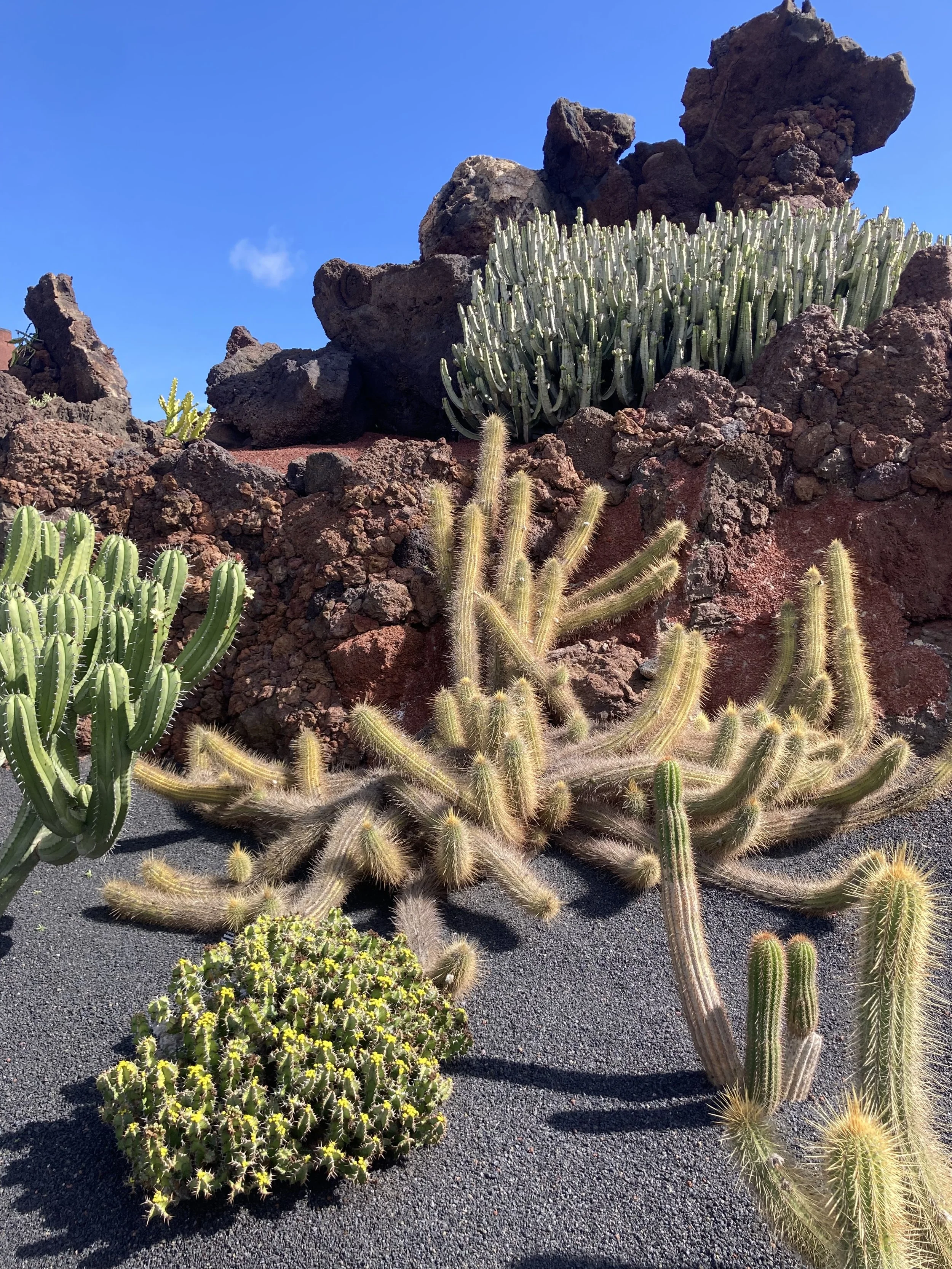
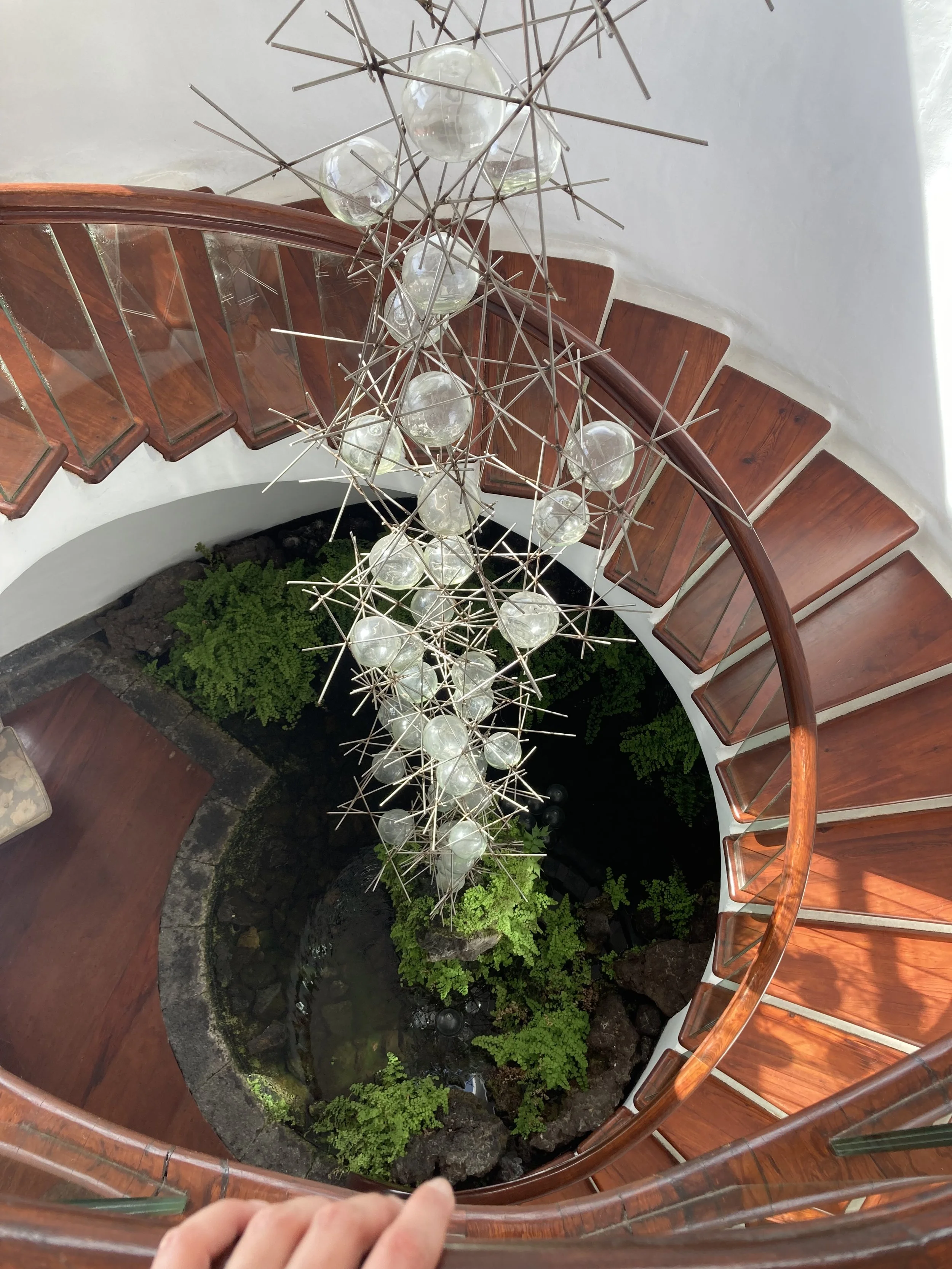
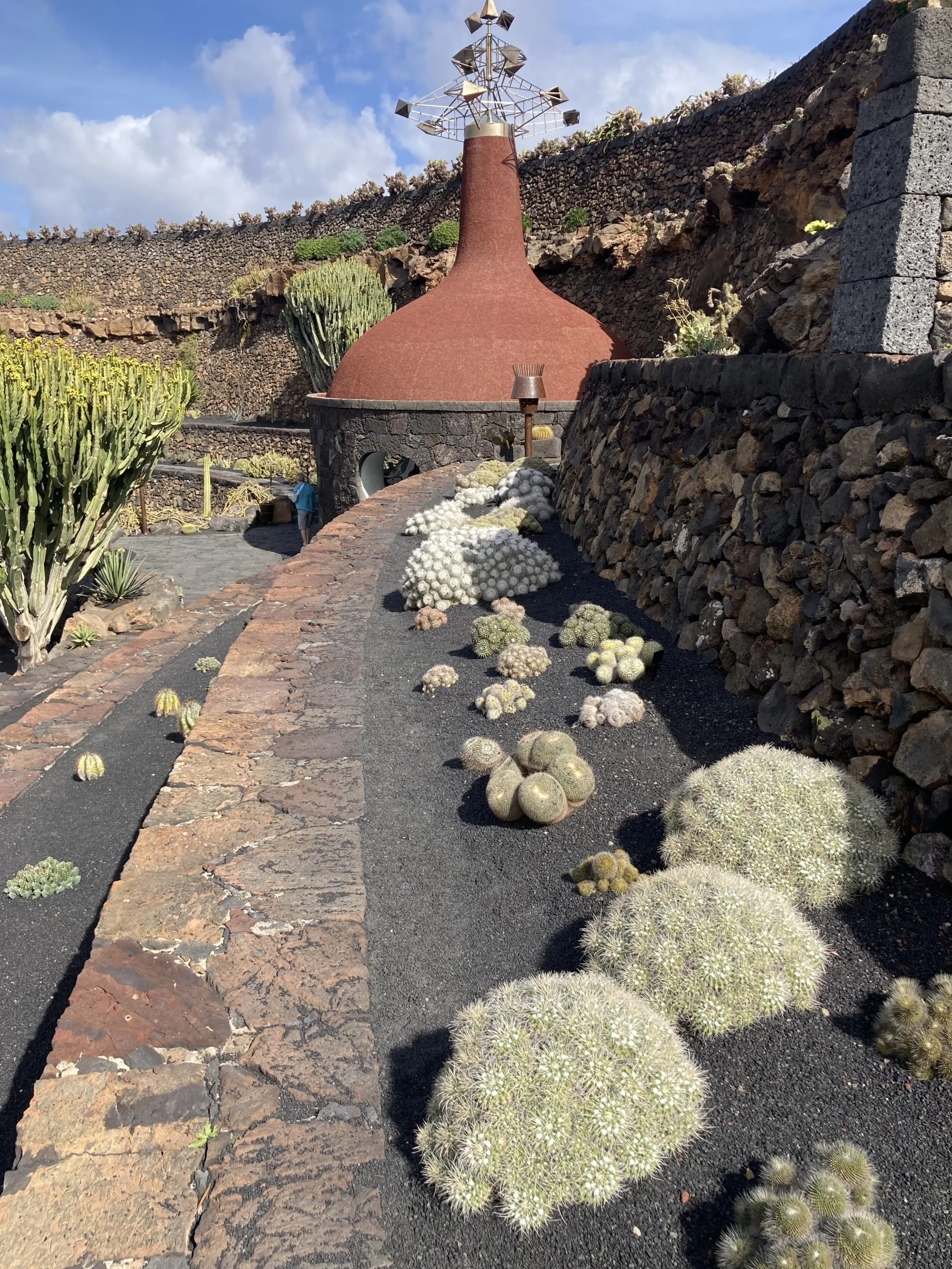
In the northern side of the island, amid a gravel of lapilli terraced into a concentric pit, sits the emerald treasure of Lanzarote: el Jardìn de Cactus. Final architectural exploit of César Manrique, the ego-bombastic gesamtkunstler that dominates the local cultural landscape well beyond his death, the garden gathers over 500 species of cacti from all over the world. The site is a former rofera, a Slavic sand excavation plant, then turned into a landfill for agricultural waste and eventually born again into this spiky, verdant amphitheatre. Each plant a sculpture of its own, with their personality and character, the garden had me completely mesmerized the day we visited it.
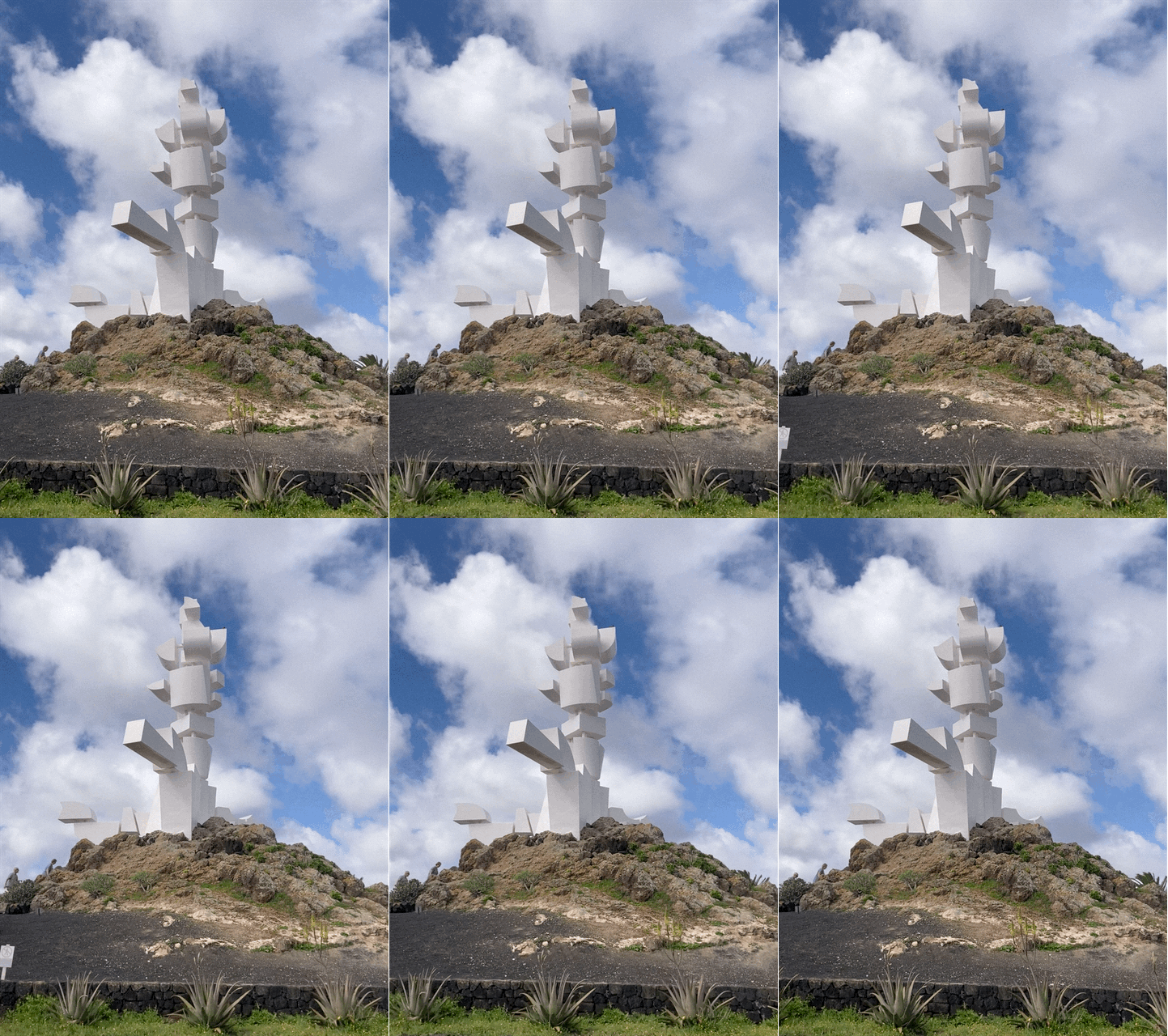
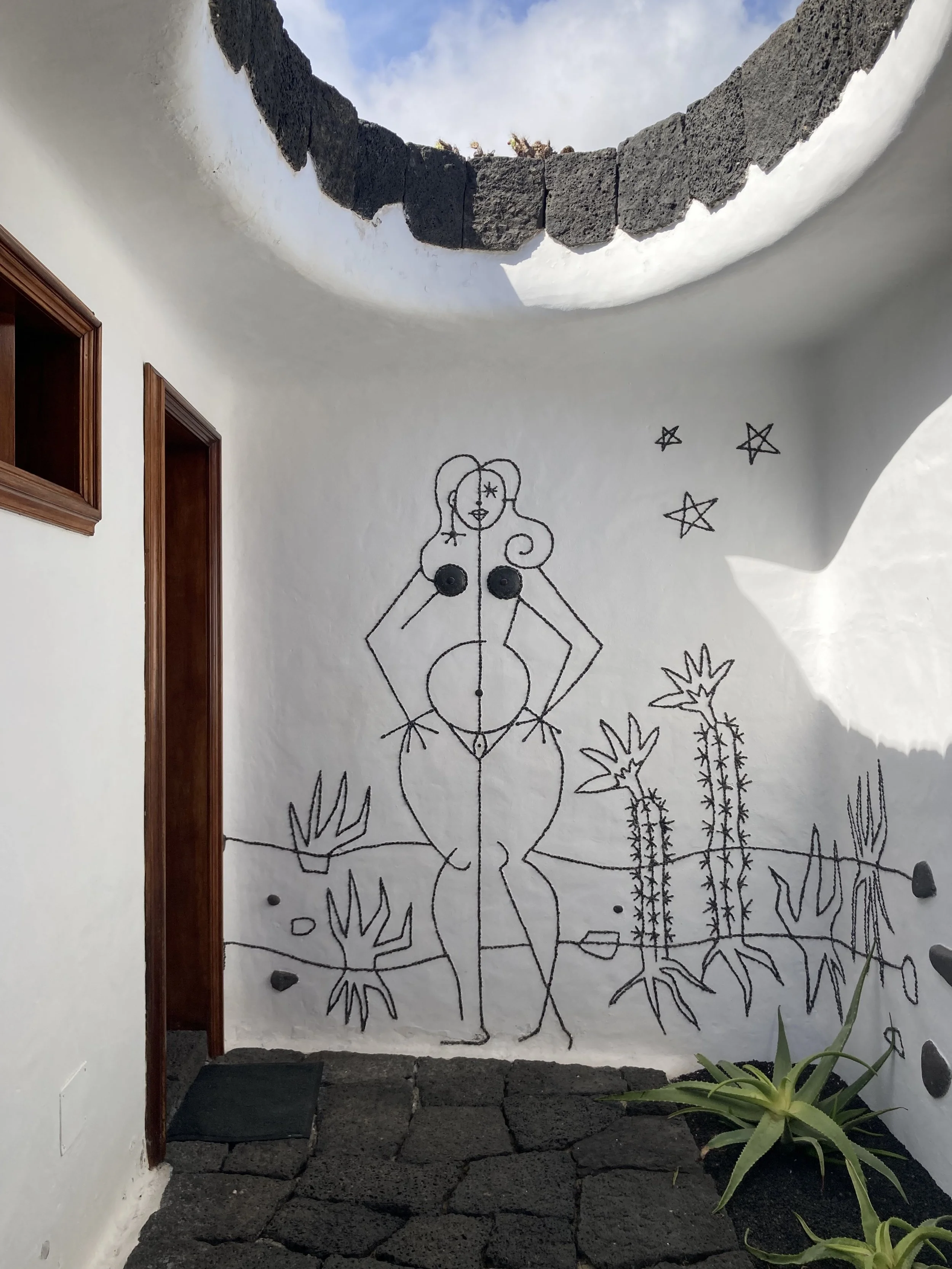
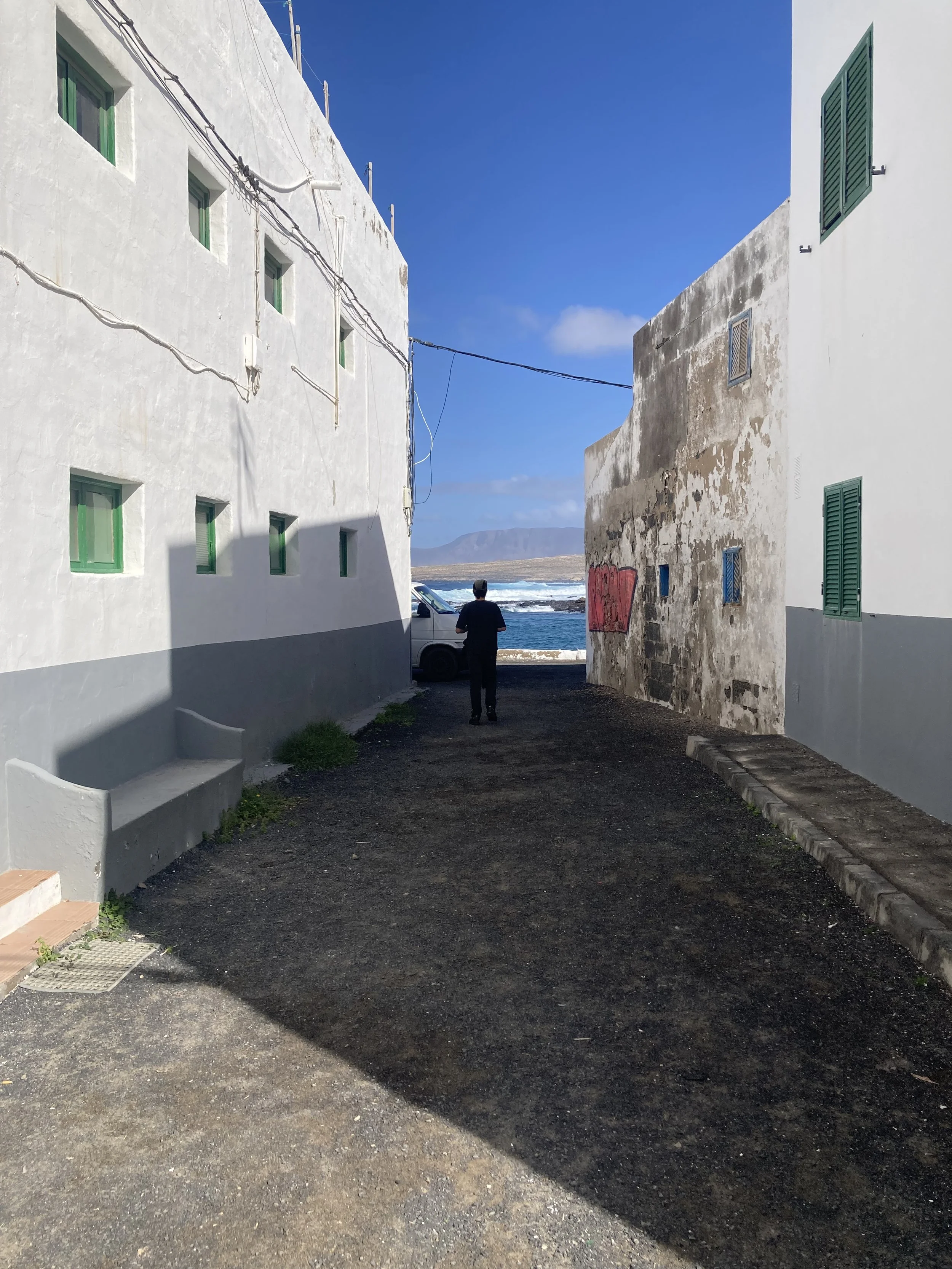
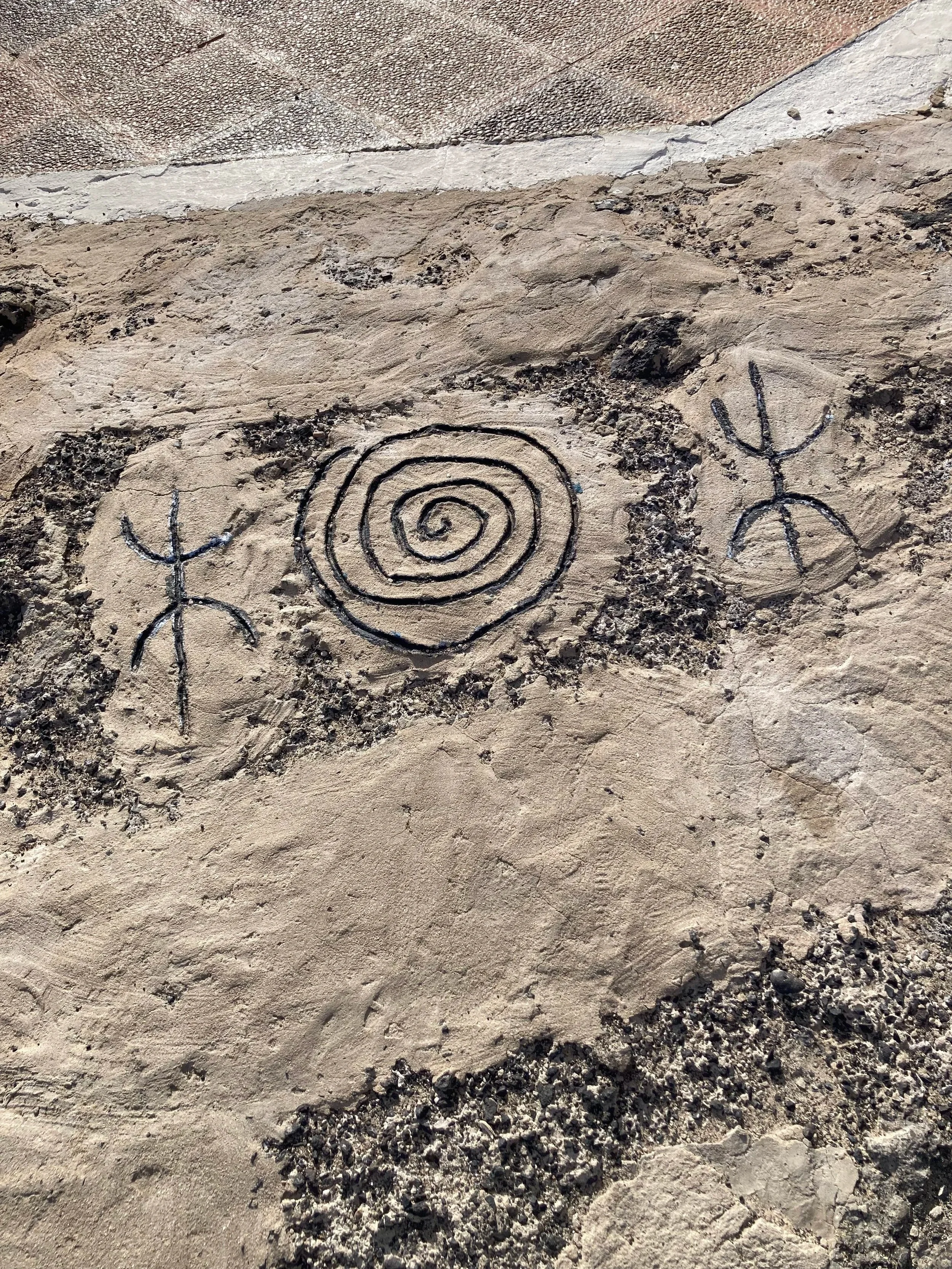
Here and there, around the island a few graffiti, a pebble decoration or an old fisherman's face hint at the indigenous roots of the Canaries. The population that inhabited the archipelago before the Spanish is generally referred to as Guanches, even though each island had different traditions and languages. Their lineage runs up to the Berber people of North West Africa and might possibly have arrived to Lanzarote as prisoners of the Mauritian king Juba II, left there to fend for themselves against nature. Their culture now only survives through the Guanches vocabulary, pagan festivities around harvest and archeological findings of beautiful petroglyphs - but clearly here the land and sea vibrate with a frequency that is far from the one we’re used to.
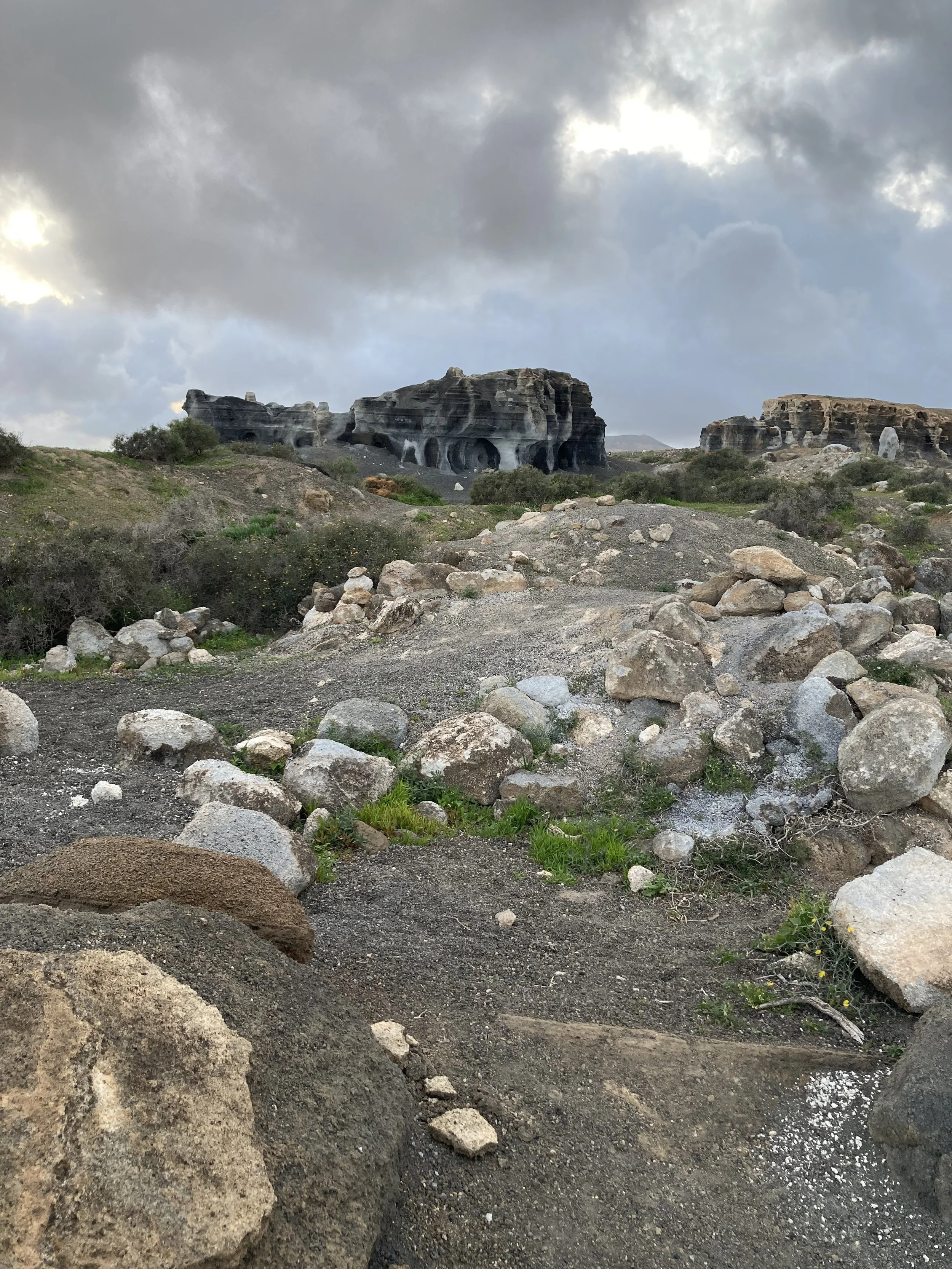
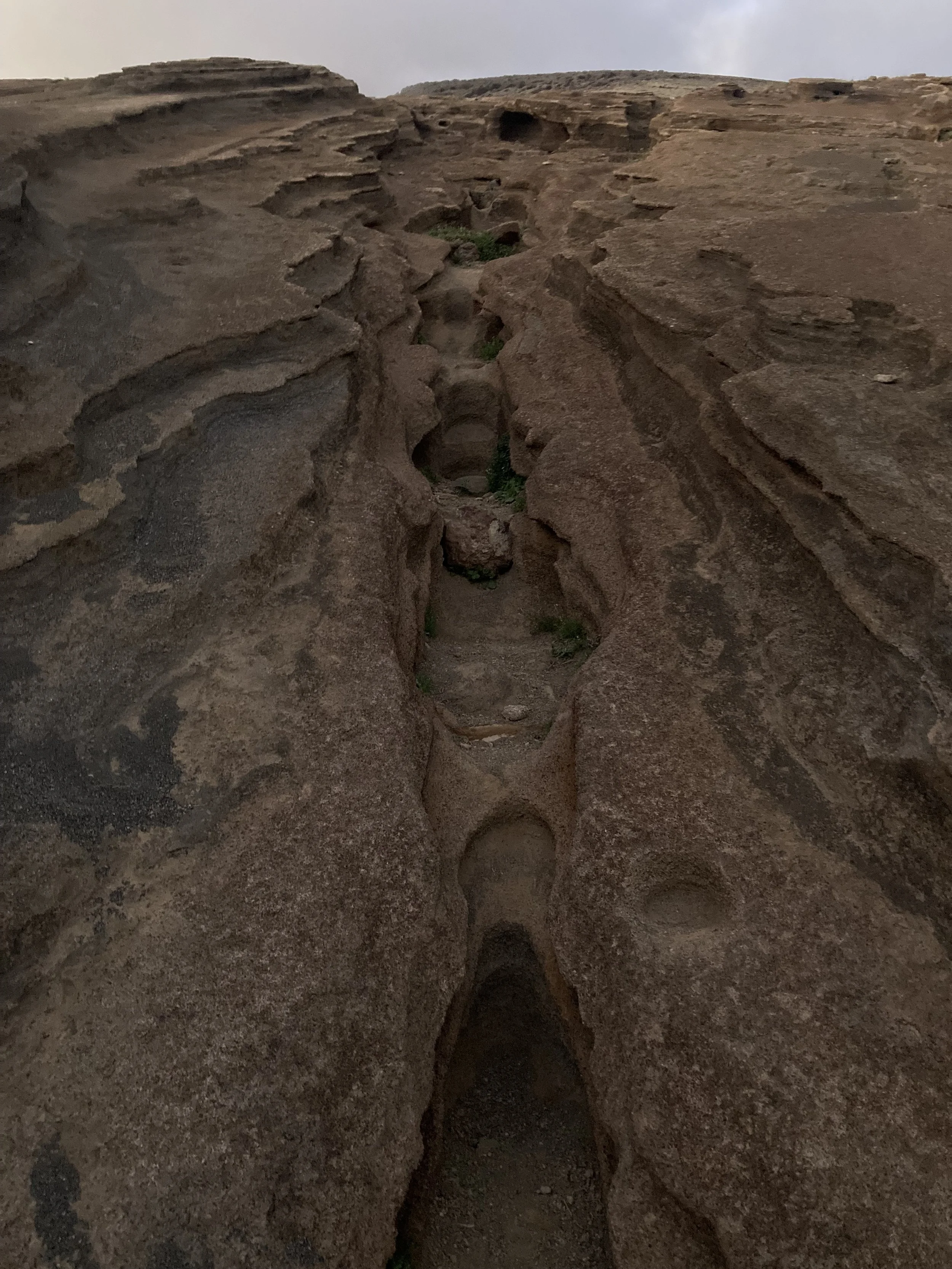
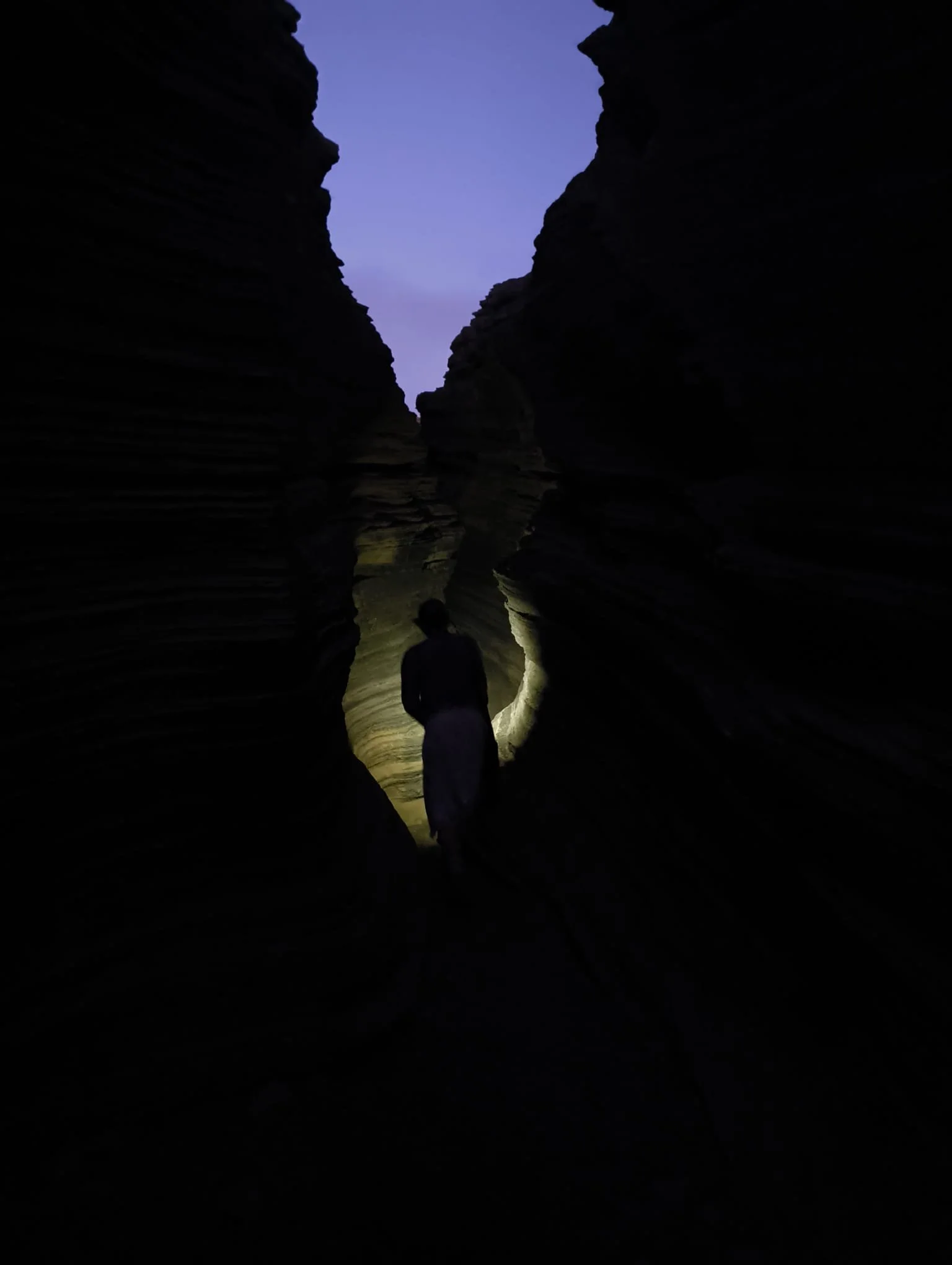
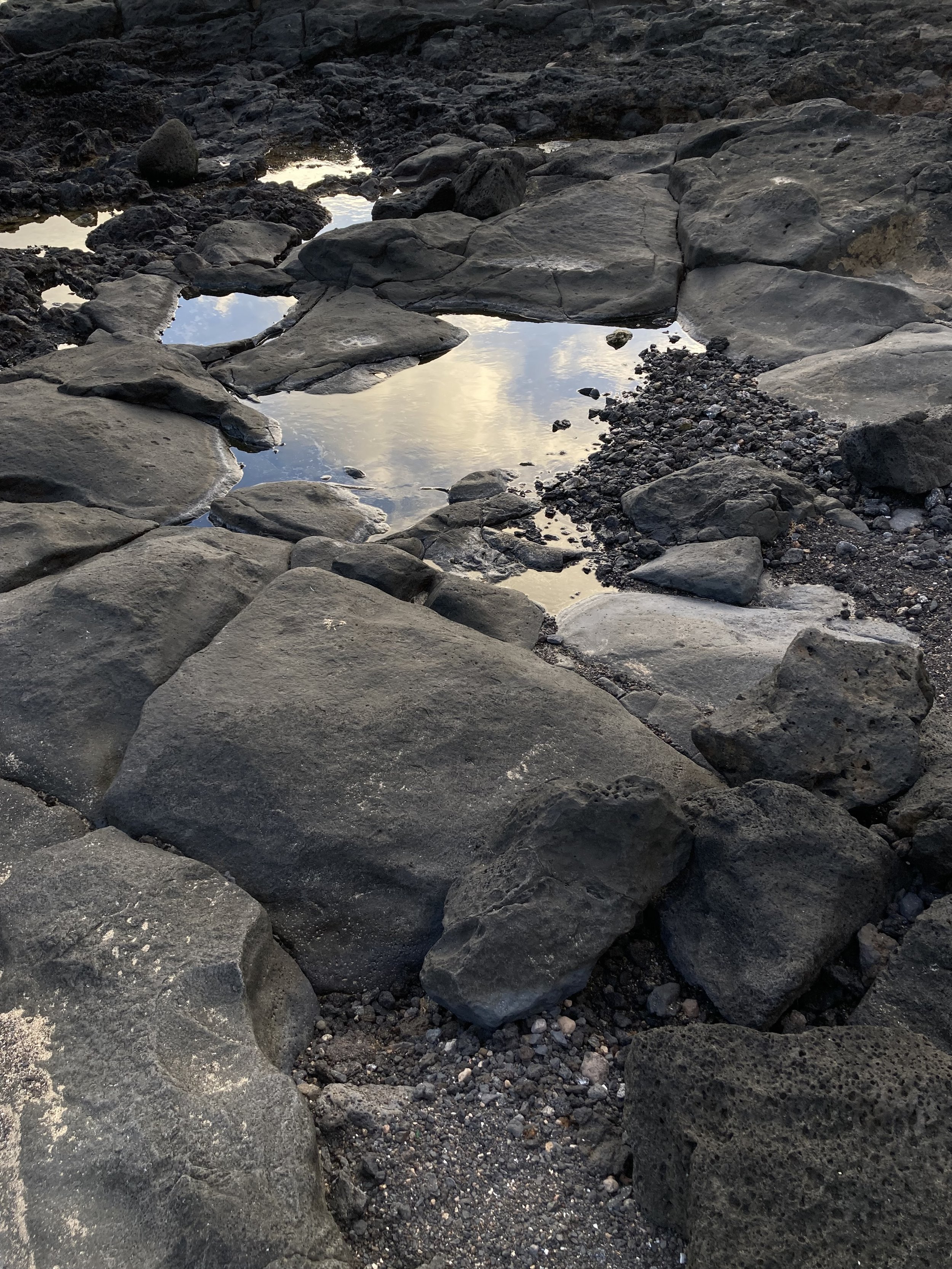
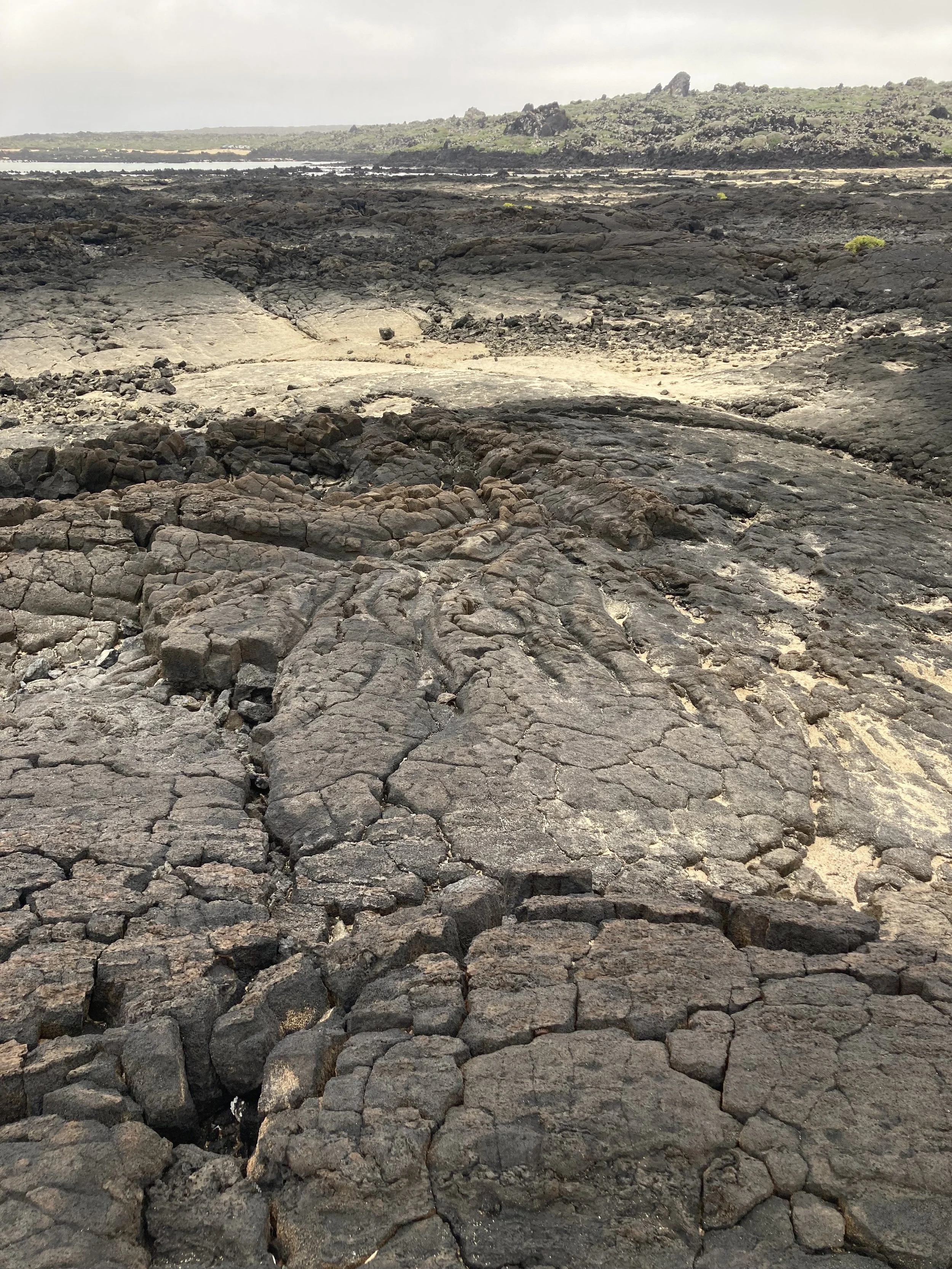
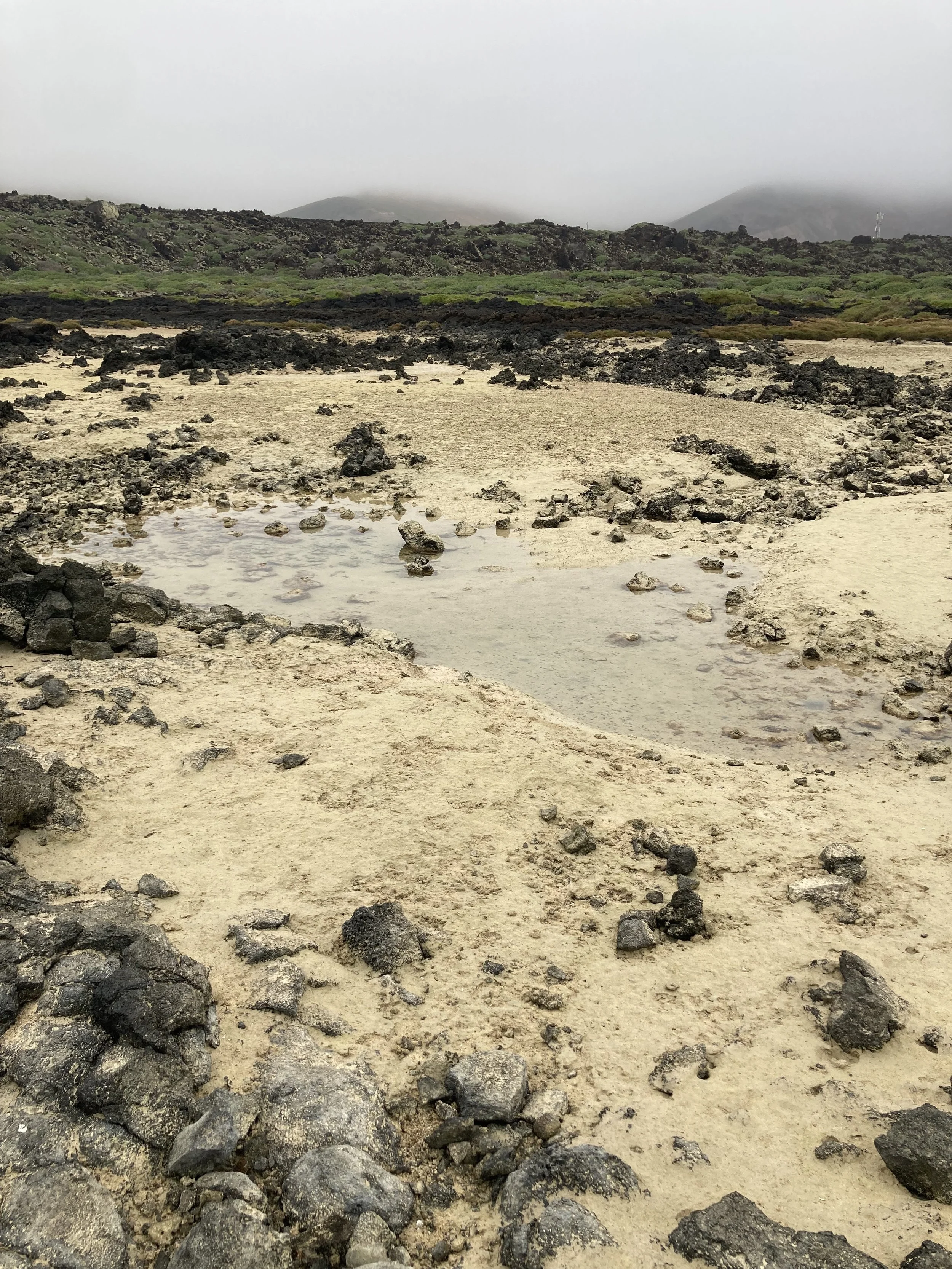
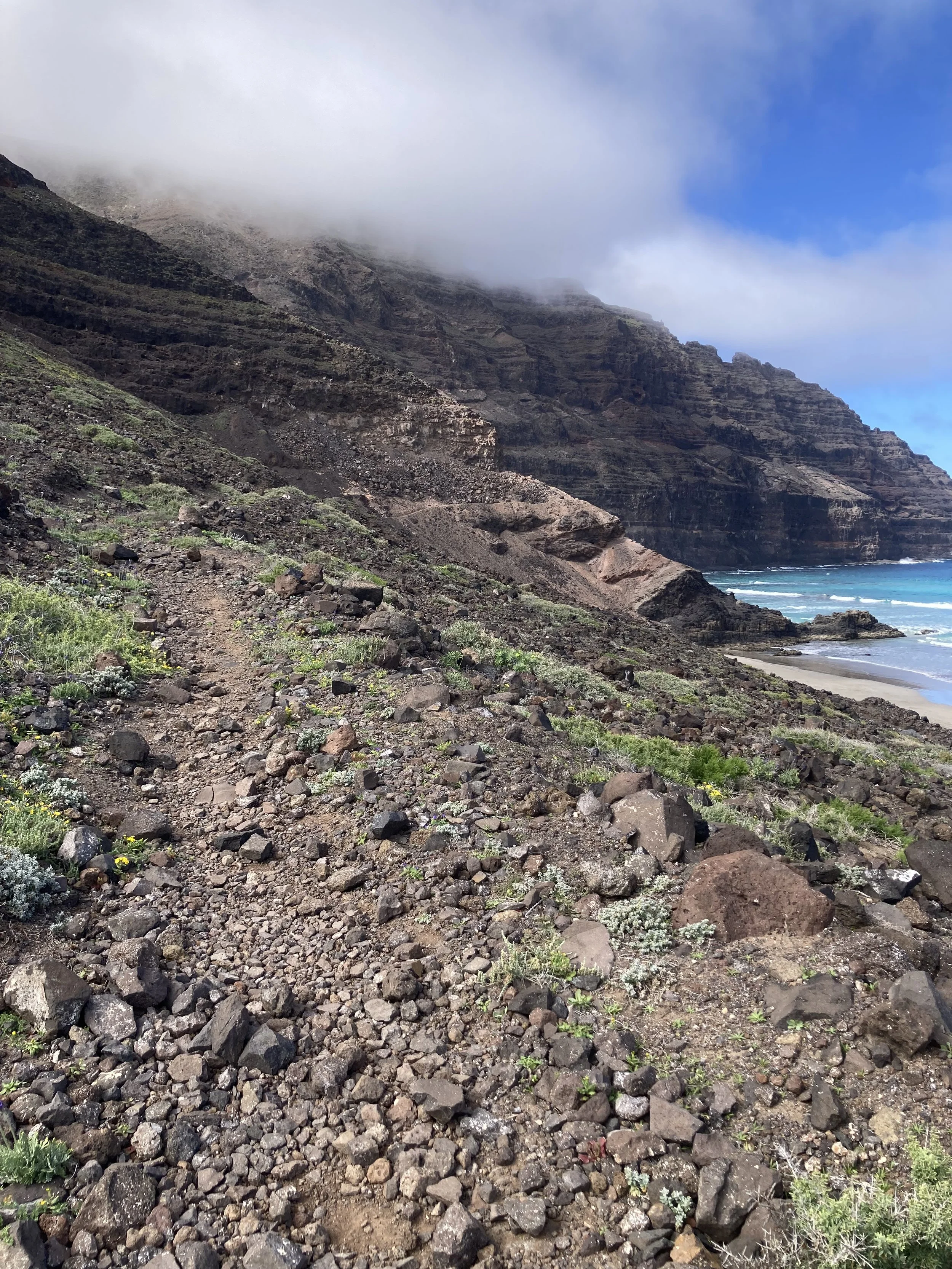
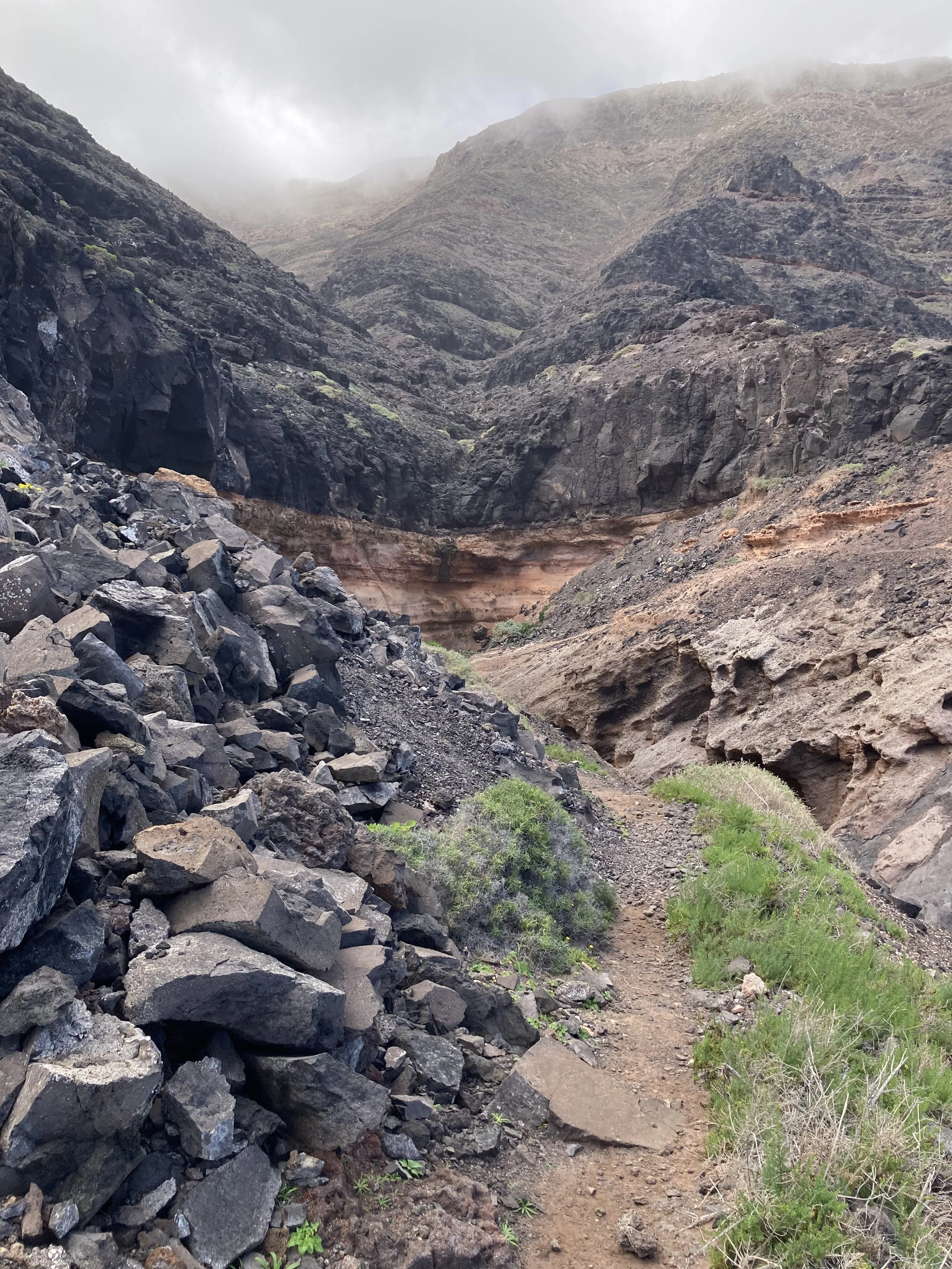
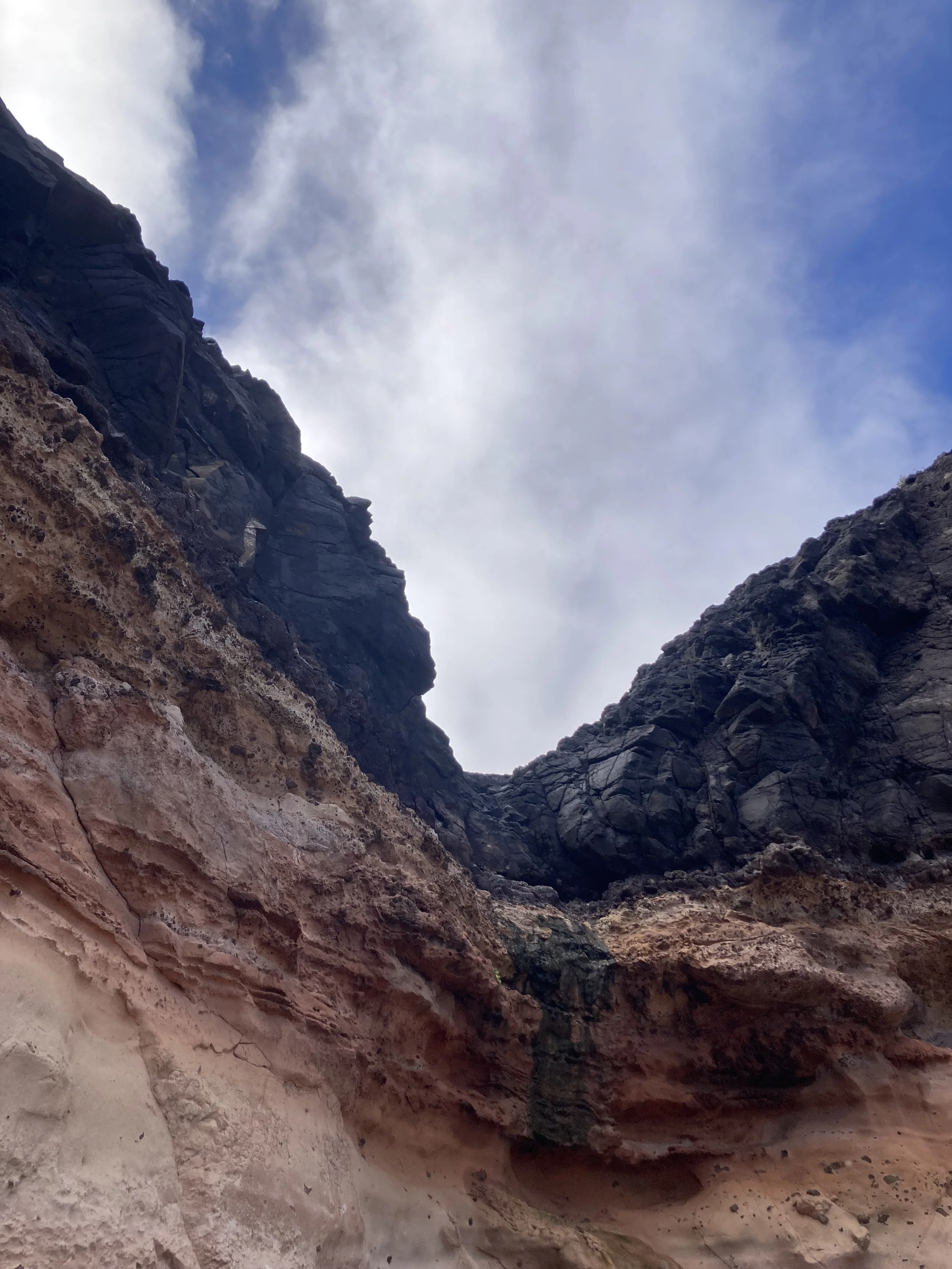
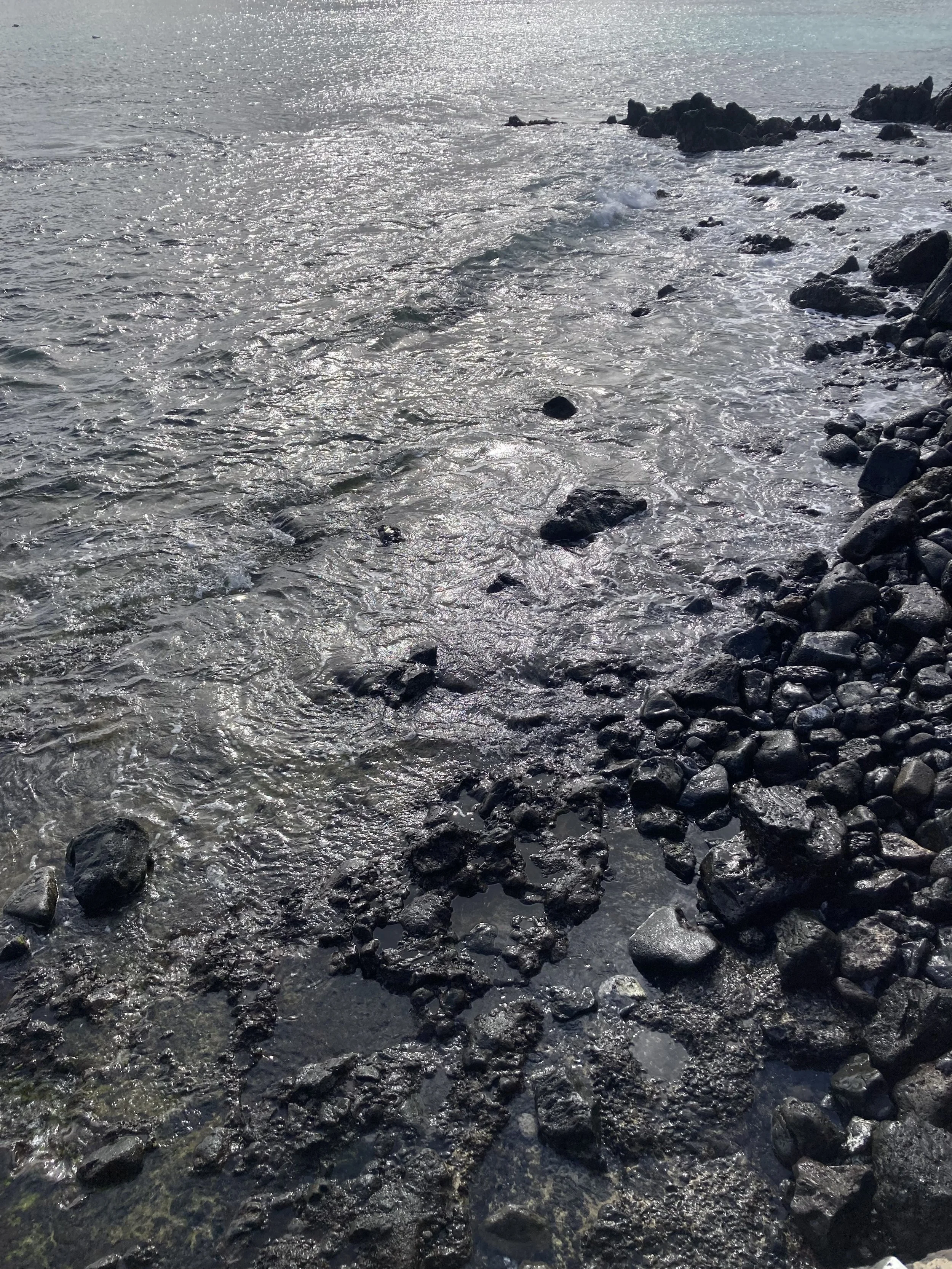
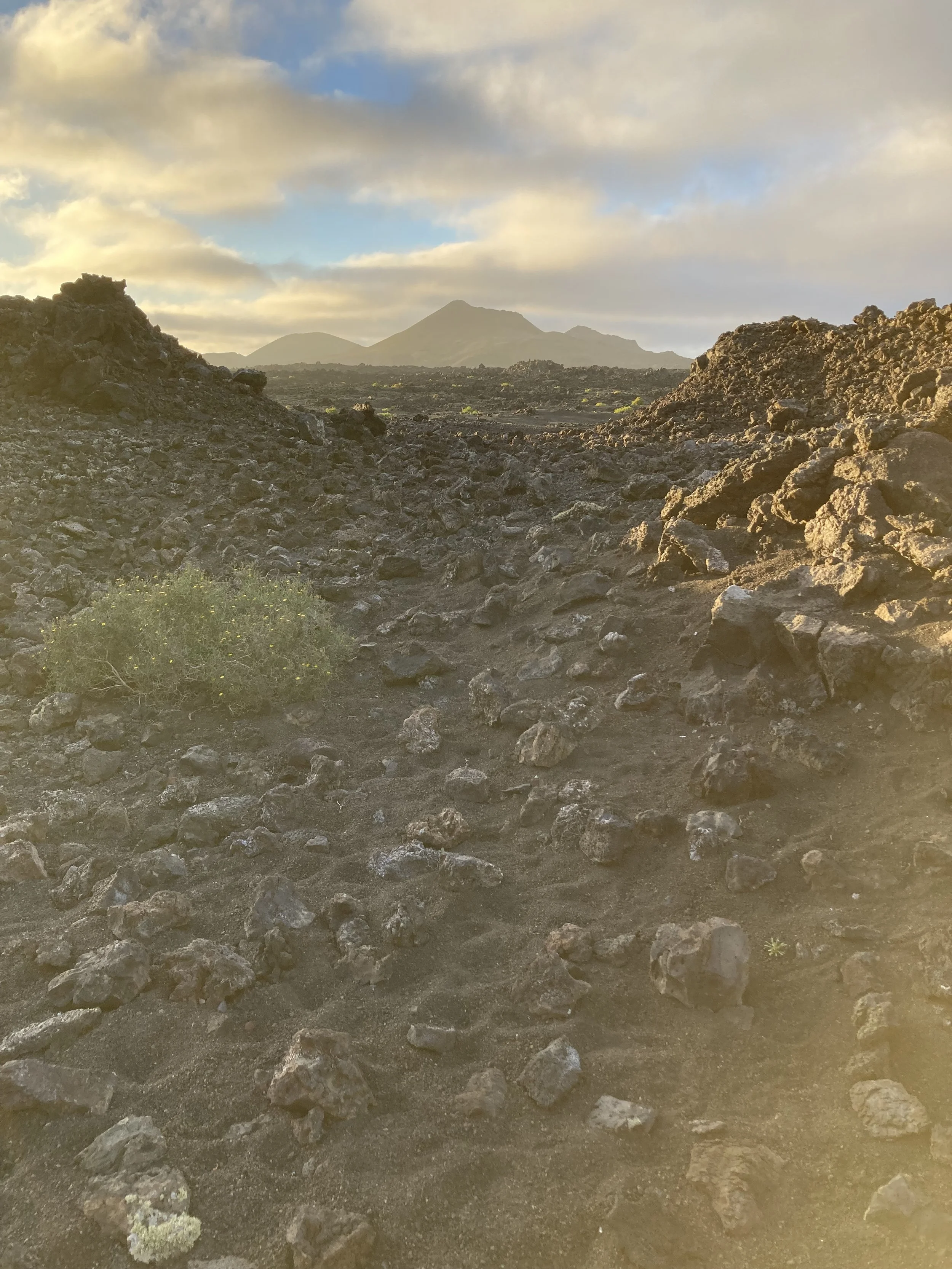
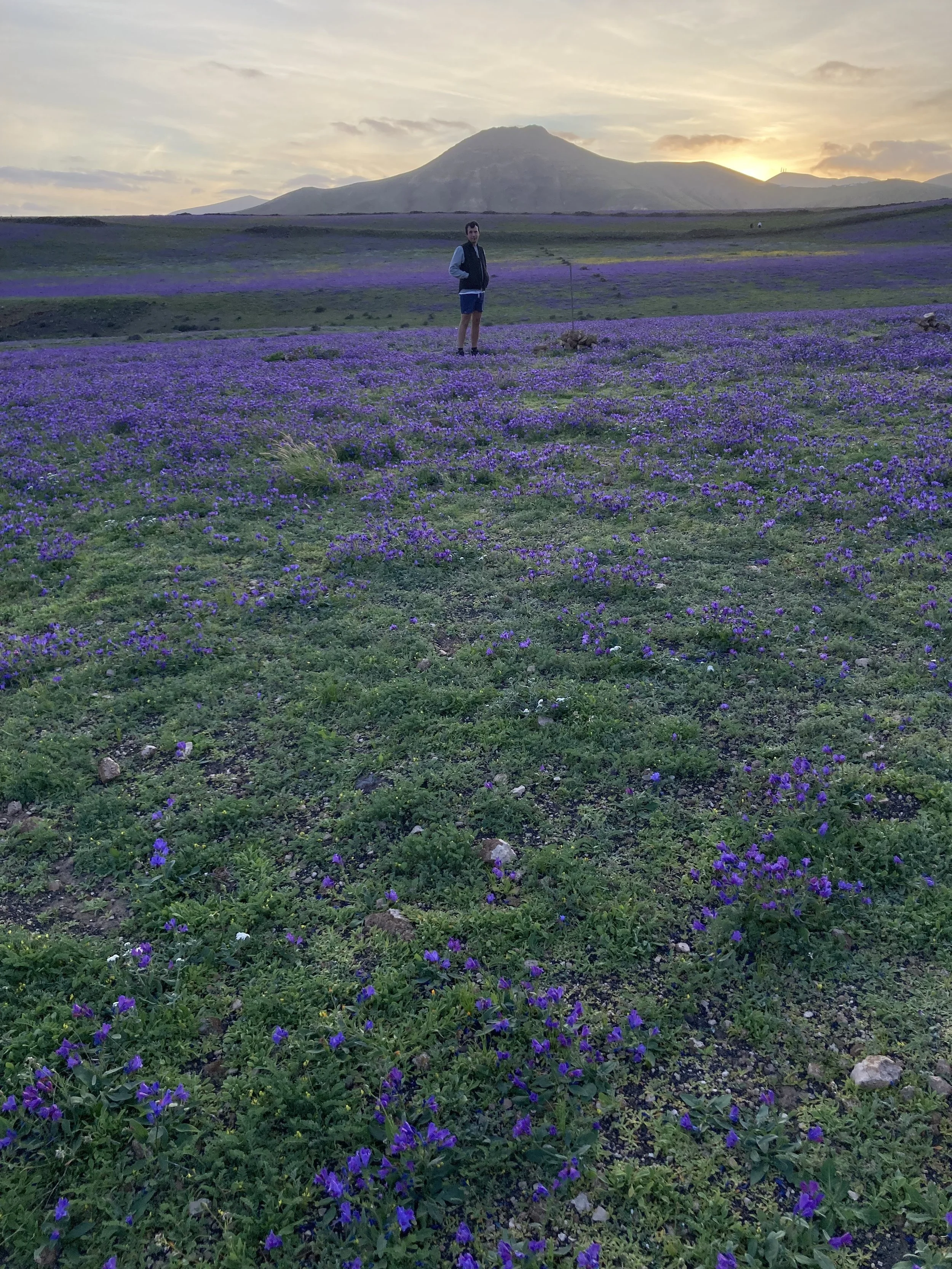
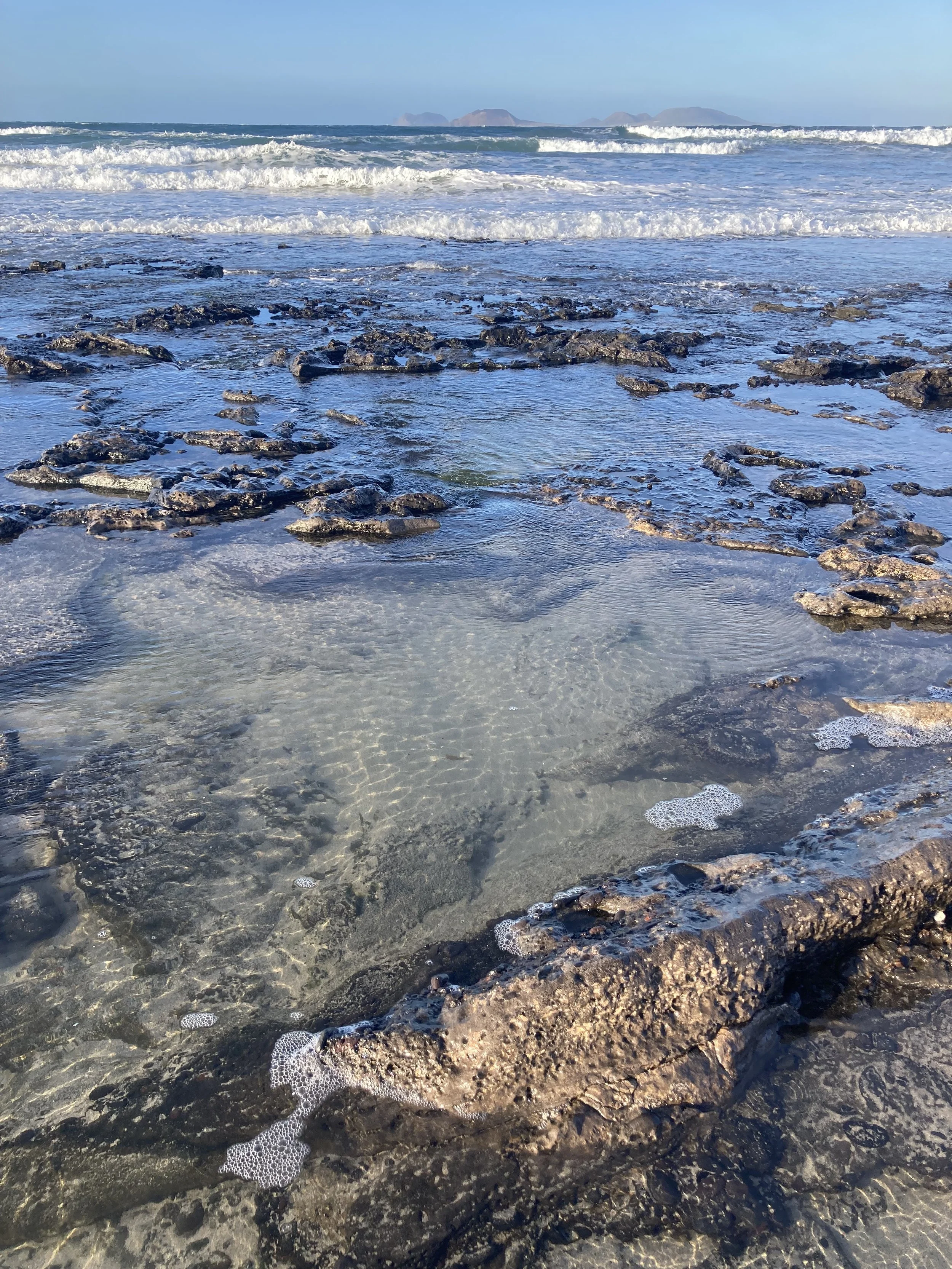
Inaugurating the bathing season in February felt delicious, even with the corollary of a sunburn that had me peeling for the following three weeks ( Mediterraneans, they never learn…) Gently rocked by water in a natural pool with the crabs cautiously observing our moves from the rocks, like ruby beads on a lavic necklace, I tapped into the soul balm I needed to heal even just a little from the miseries of our times. And my gratitude for this week of relief was turned into long-lasting memory on our last day on the island, walking around Caldera de los Cuervos, when at sunset the Big Daddy Star blew us a kiss with a green ray. What a bless!